

Grand Teton and Yellowstone Late August Itinerary and Travel Tips
/This post contains affiliate links. This means that at no additional cost to you, as an Amazon Associate, we earn from qualifying purchases.
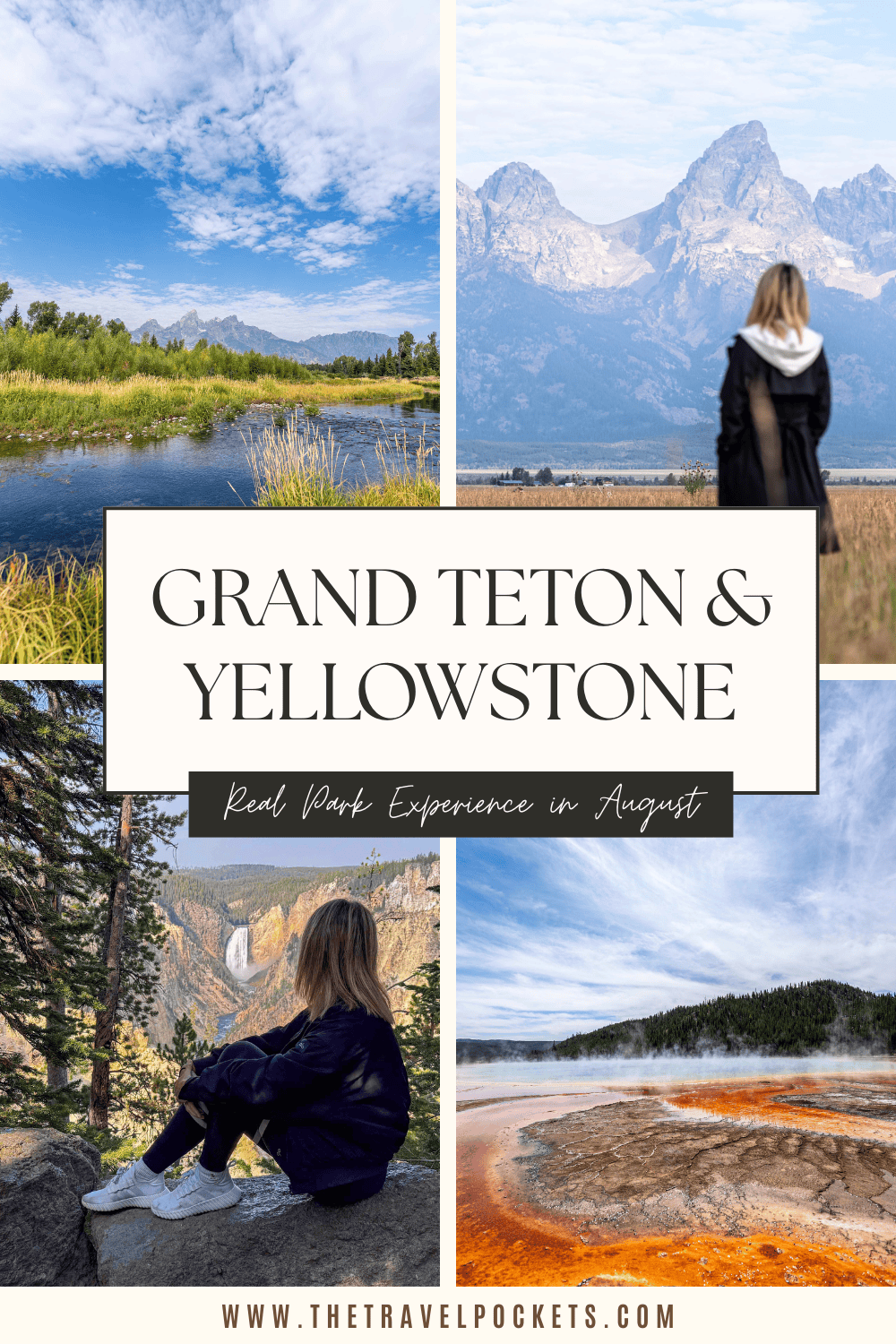
Grand Teton and Yellowstone National Park
A First-Time Experience Through Two of the West’s Most Iconic Parks
Grand Teton and Yellowstone are often paired together on a Western National Parks road trip, and after visiting both parks in late August, it is easy to see why. They are close geographically, but each park feels completely different in personality. One is calm and scenic, the other wild and unpredictable. Together, they made this portion of our road trip unforgettable.
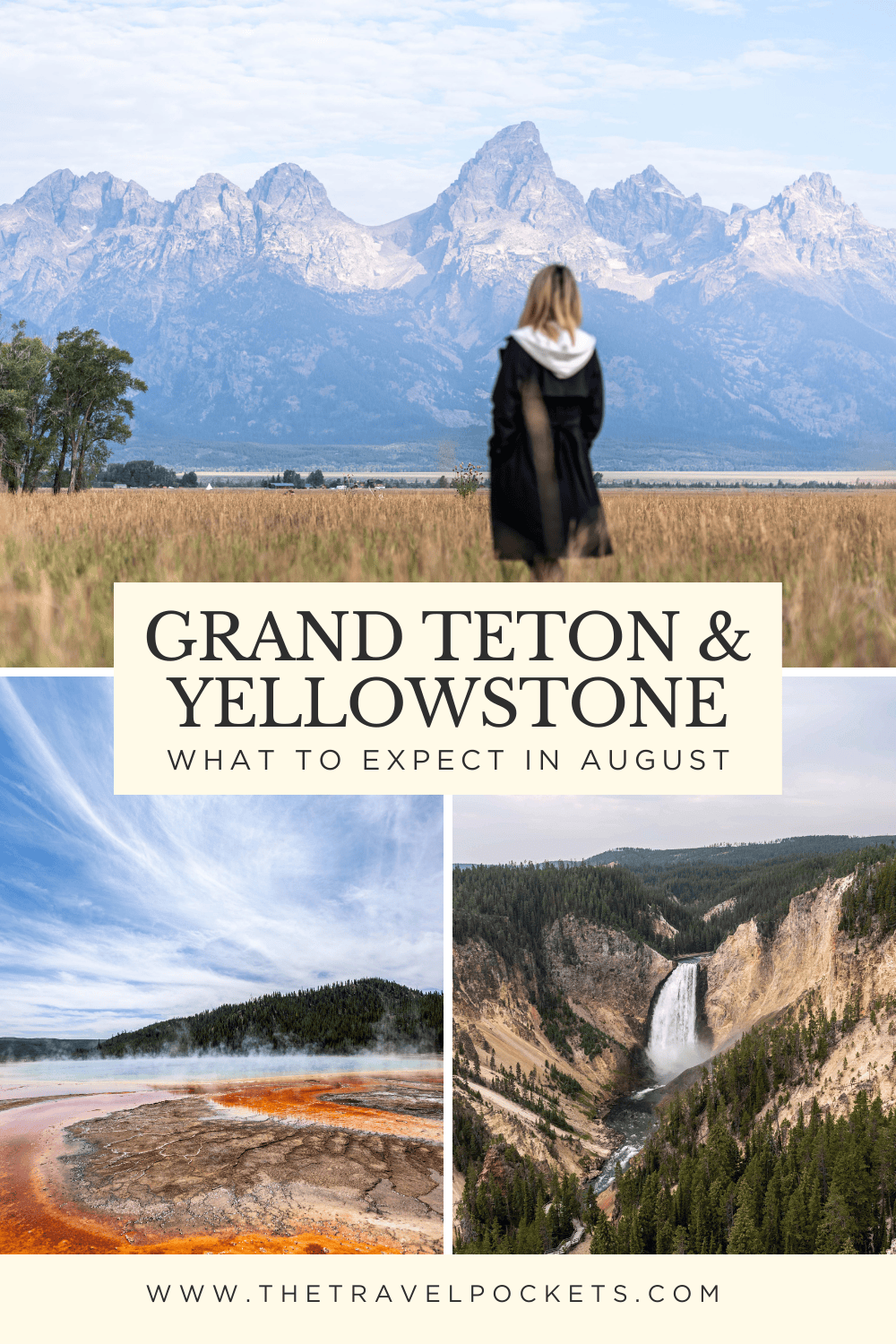
Late August turned out to be a great time to visit. The weather was mostly warm with cool mornings, wildlife was active, and while crowds were still present, starting early made a noticeable difference. We spent one full day exploring Grand Teton National Park, followed by two packed days in Yellowstone National Park, adjusting plans as crowds, weather, and wildlife dictated.
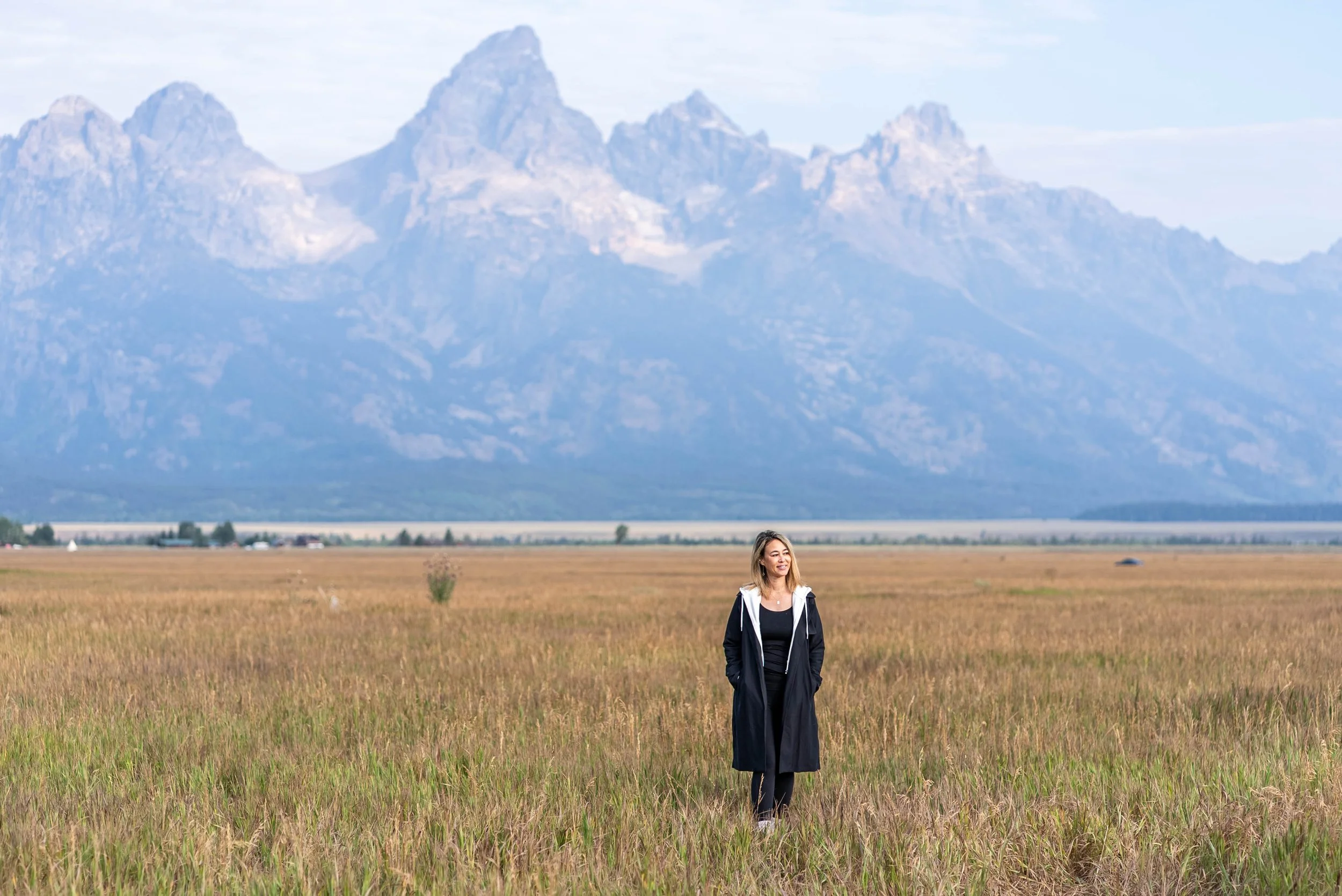
Grand Teton Mountains
Where to Stay When Visiting Grand Teton and Yellowstone
Where you stay plays a big role in how smooth your trip feels, especially when visiting both parks on the same itinerary.
Where We Stayed
We split our stay between both parks, which worked very well for us. For Grand Teton, we stayed a couple of nights in Jackson at Rockwell Inn. The location made it easy to access sunrise spots like Mormon Row and Schwabacher Landing, and the free breakfast helped us get an early start without needing to stop for food.
After Grand Teton, we drove north to Yellowstone and stayed at Kelly Inn West Yellowstone. Staying just outside the west entrance was convenient for exploring central Yellowstone, and having breakfast included again made mornings much easier during long park days.
Splitting our stay reduced daily drive times and made early mornings more manageable in both parks.
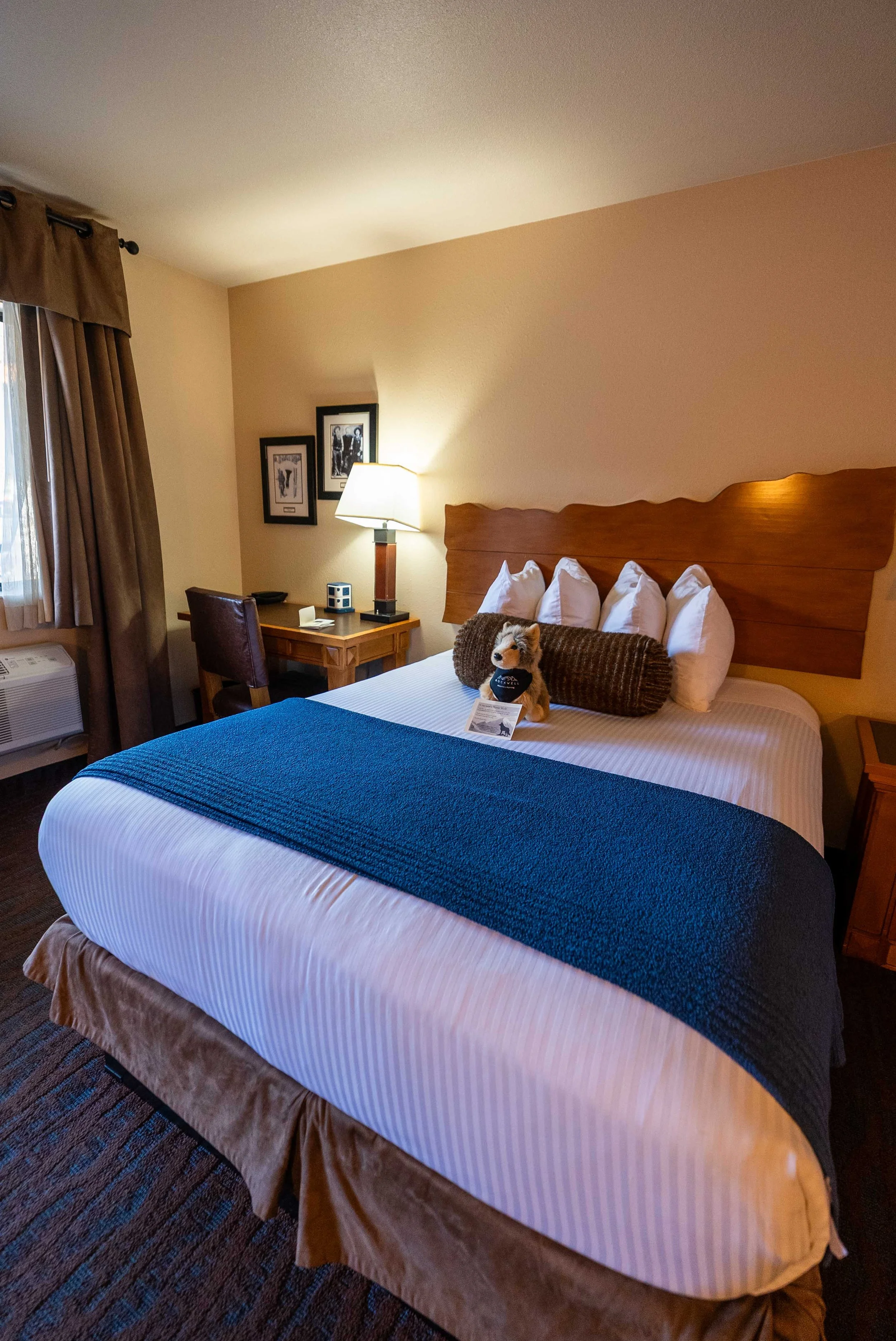
Rockwell Inn at Jackson, Wyoming
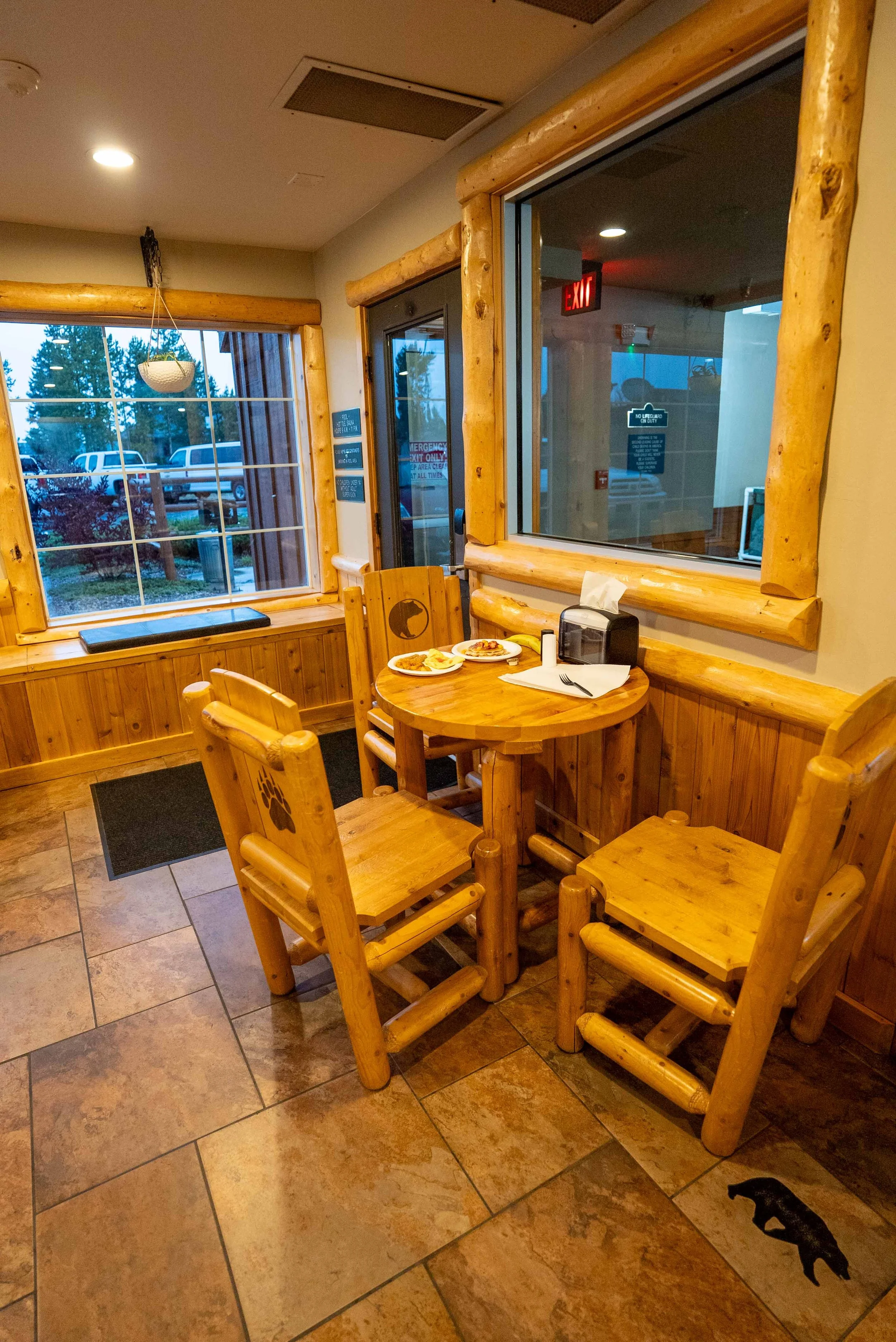
Kelly Inn West Yellowstone
Jackson works well for Grand Teton, while West Yellowstone or Gardiner are practical bases for Yellowstone. Staying inside Yellowstone can save drive time but often books far in advance and offers fewer dining options.
If you have the flexibility, moving locations between parks helps avoid long driving days and makes the overall experience more relaxed.
Popular Base Areas and Price Ranges
Jackson, Wyoming: $$ to $$$$
Best for Grand Teton access, dining, and amenitiesTeton Village: $$$ to $$$$
Quieter, resort-style stays closer to the parkWest Yellowstone: $$ to $$$
Practical base with lots of lodging and dining optionsGardiner, Montana: $$ to $$$
Great for northern Yellowstone and wildlife-focused daysInside Yellowstone: $$$ to $$$$
Best for minimizing drive time, but books far in advance and has limited dining

Rockwell Inn was a great base for Grand Teton
Grand Teton National Park
Quiet, Scenic, and Surprisingly Manageable
We stayed in Jackson, Wyoming and entered Grand Teton early in the morning. Even before officially entering the park, the scenery started to impress with wide open land, dramatic peaks, and a noticeably slower pace compared to Yellowstone.
Sunrise at Mormon Row
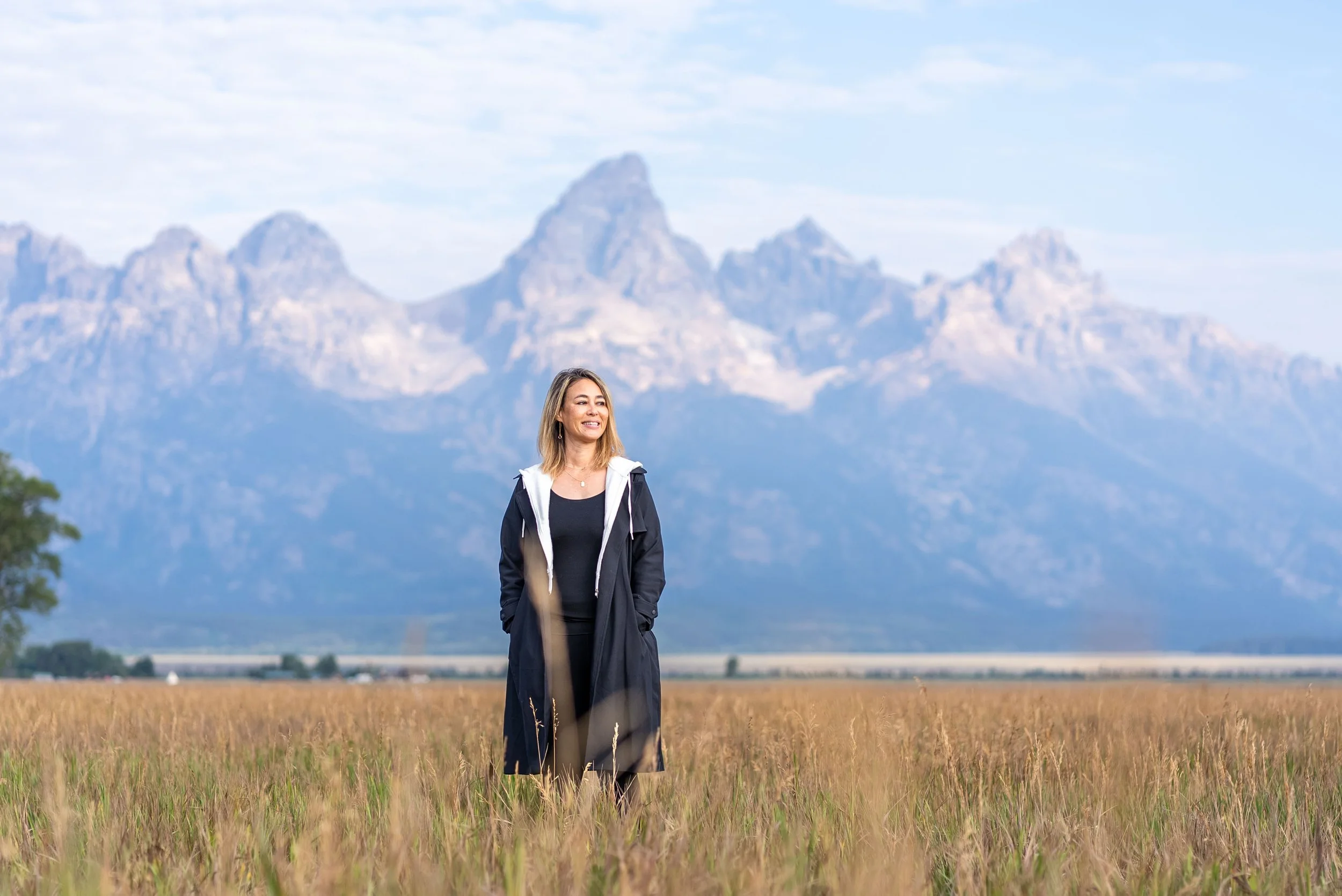
Mormon Row is one of the most photographed spots in the park, and for good reason. Those historic barns set against the Teton Range feel almost unreal. We arrived later than planned on our first morning, but returned the next day before sunrise, and that made all the difference.
The light slowly crept over the mountains, turning the peaks soft pink. While I had heard stories of photographers fighting for space, our experience was relaxed and friendly. Everyone was respectful, and it felt peaceful rather than competitive.
Tip: If sunrise feels too early, cloudy mornings can soften the light and still create beautiful photos.
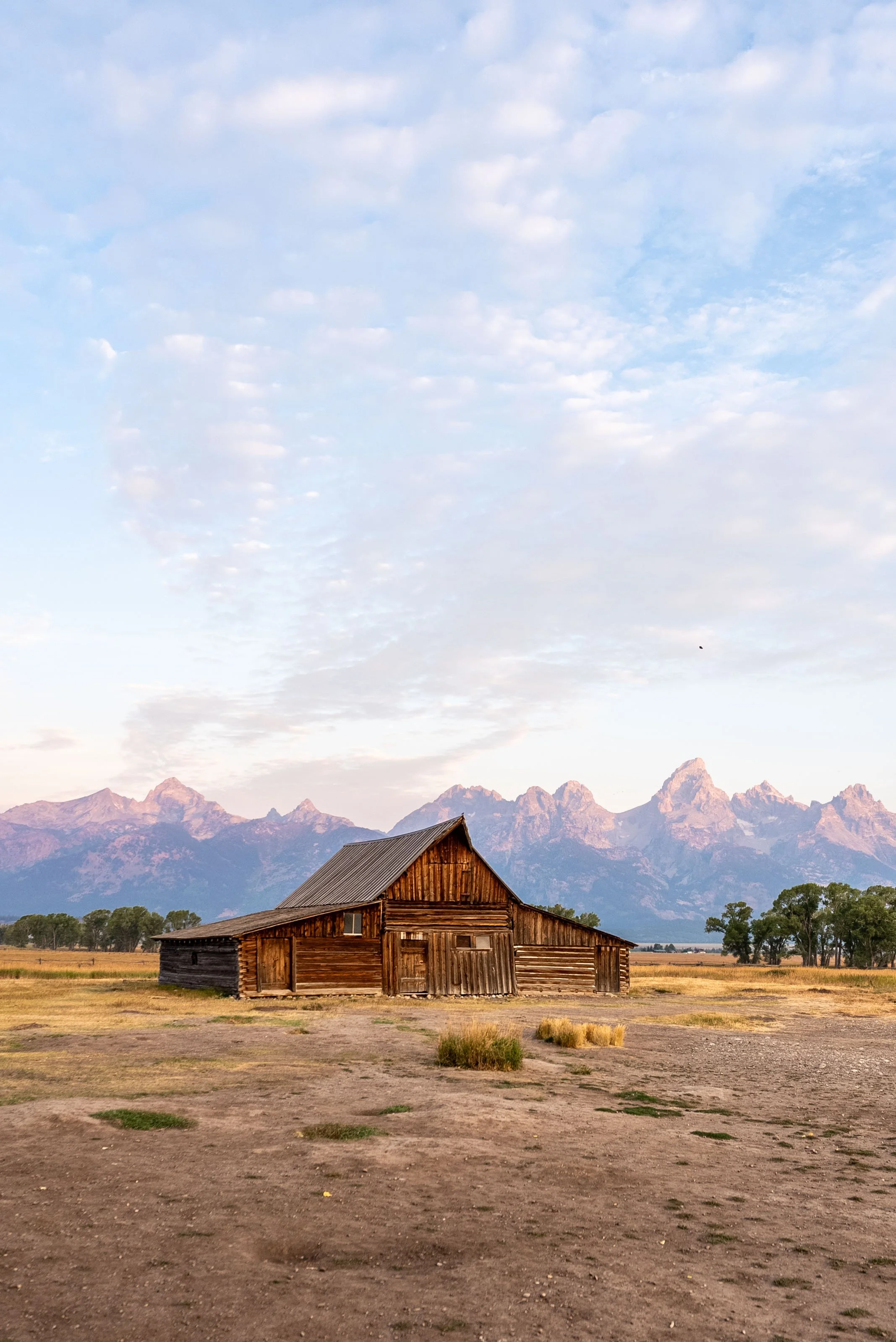
Mormon Row at sunrise
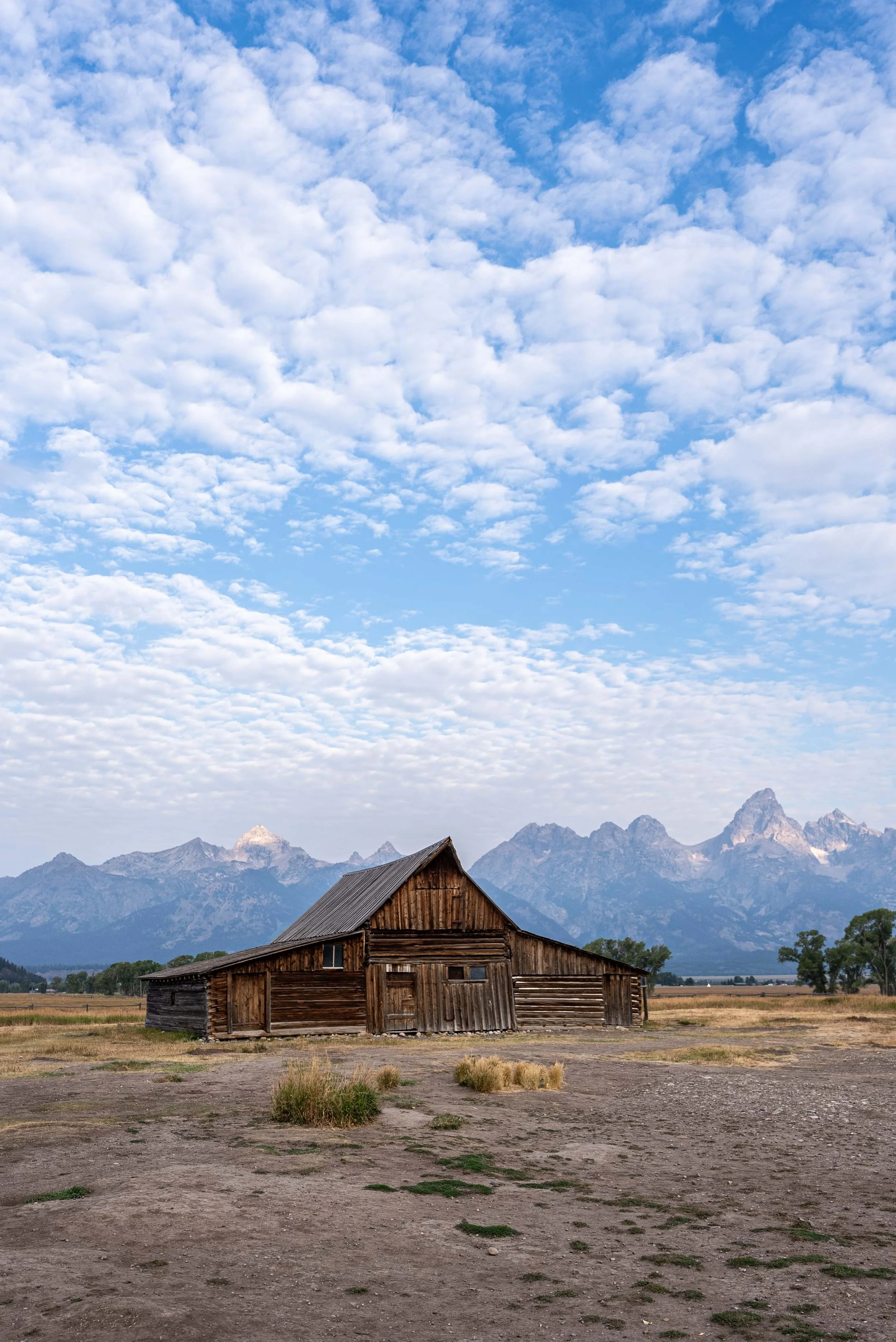
Mormon Row at around 8 AM
Schwabacher Landing
This short, easy trail was one of my favorite stops in the park. The reflections of the mountains in the water honestly looked like a painting. It is flat, stroller-friendly, and incredibly scenic with very little effort required.
If you only have time for one short walk in Grand Teton, this would be my top recommendation.
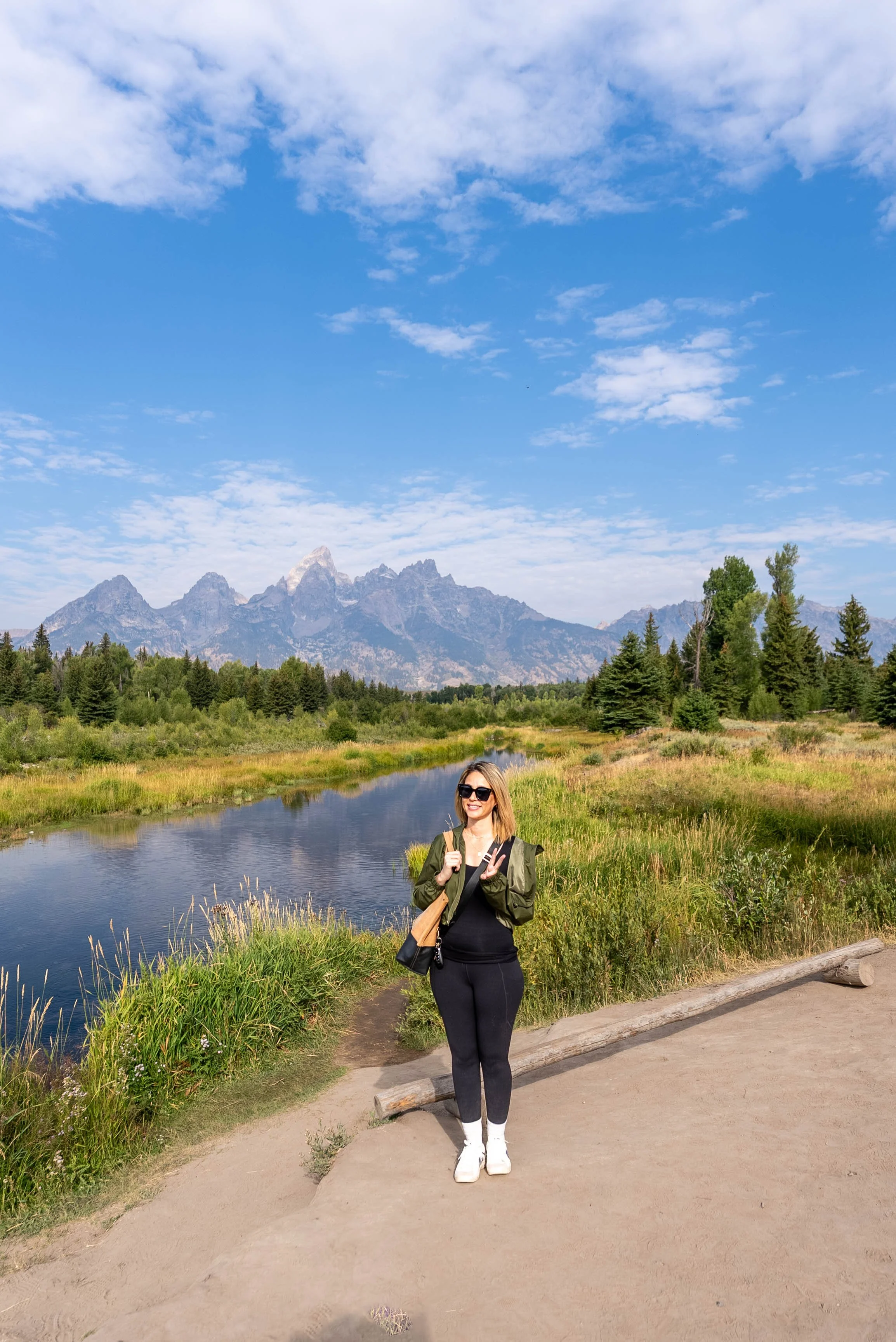
Schwabacher Landing
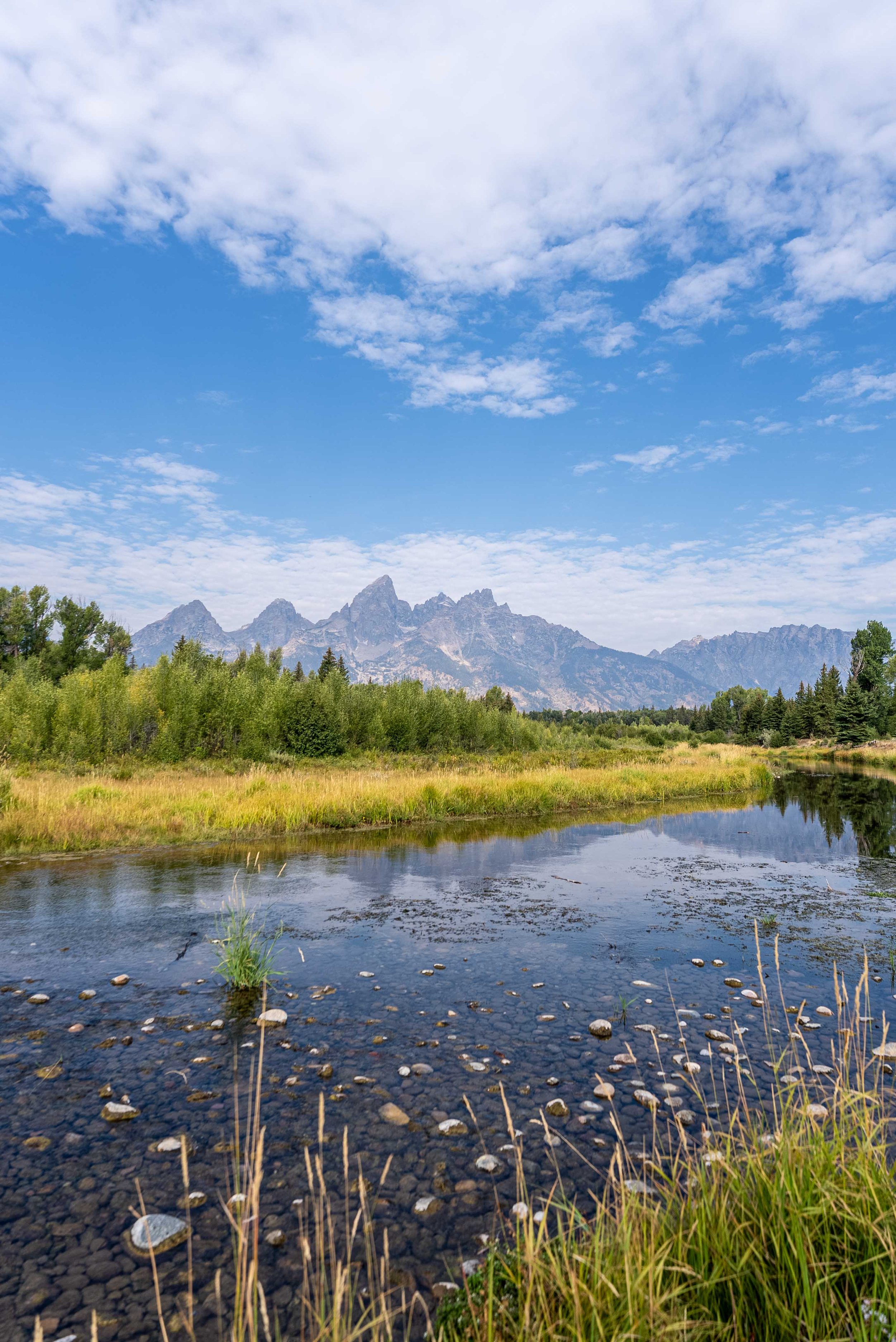
Looks like a painting!
Snake River Overlook and Oxbow Bend
Snake River Overlook was interesting, but not a standout for us. Oxbow Bend felt more atmospheric, especially with the slow curve of the river and surrounding wetlands. This area also has a long human history, with Indigenous tribes drawn here for thousands of years.
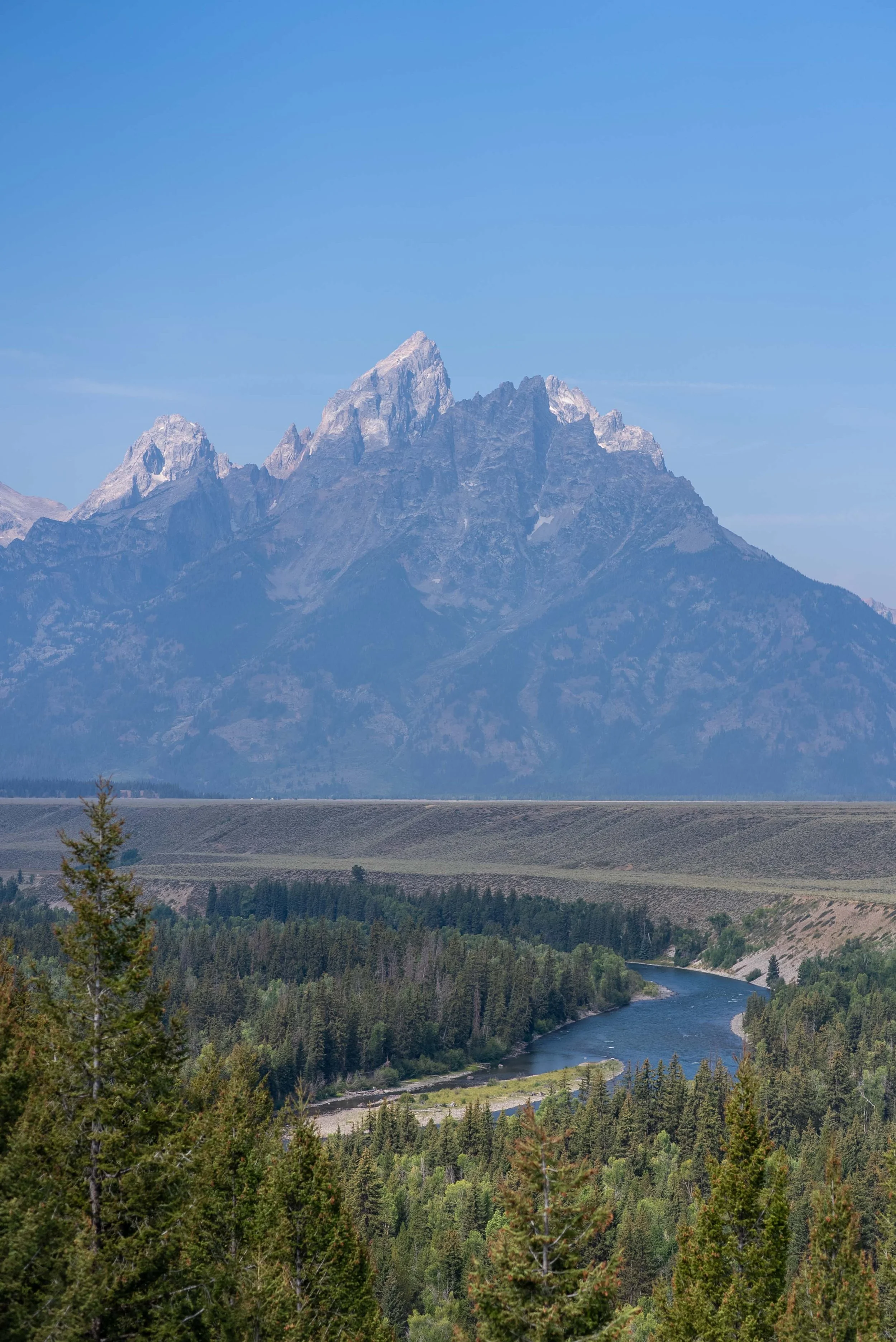
Snake River Overlook
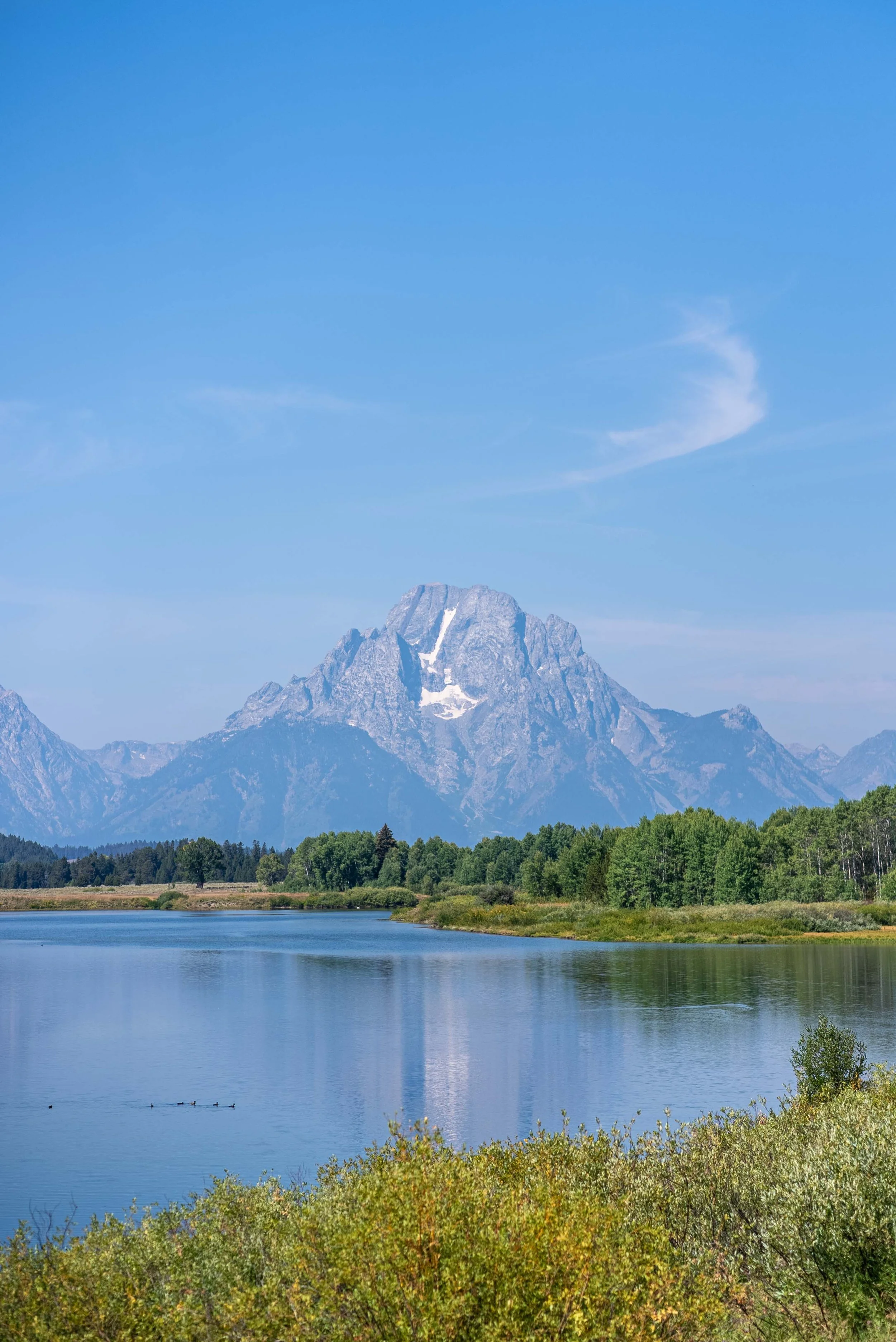
Oxbow Bend
Jenny Lake Area and What to Do If It Is Full
By late morning, the Jenny Lake area was completely packed. Parking was full and Inspiration Point was not accessible without a long wait. This is where flexibility really matters.
If the Jenny Lake area is at capacity, there are excellent alternatives:
Head back to downtown Jackson for a relaxed lunch and some shopping. This is exactly what we did, and it was a nice break from the crowds.
Visit Teton Village, which offers mountain views, shops, restaurants, and a more resort-style atmosphere.
Both options make for an enjoyable afternoon and help avoid the stress of circling crowded parking lots. If you have extra time or energy left, you can go back to Jenny Lake near sunset or early the next morning.
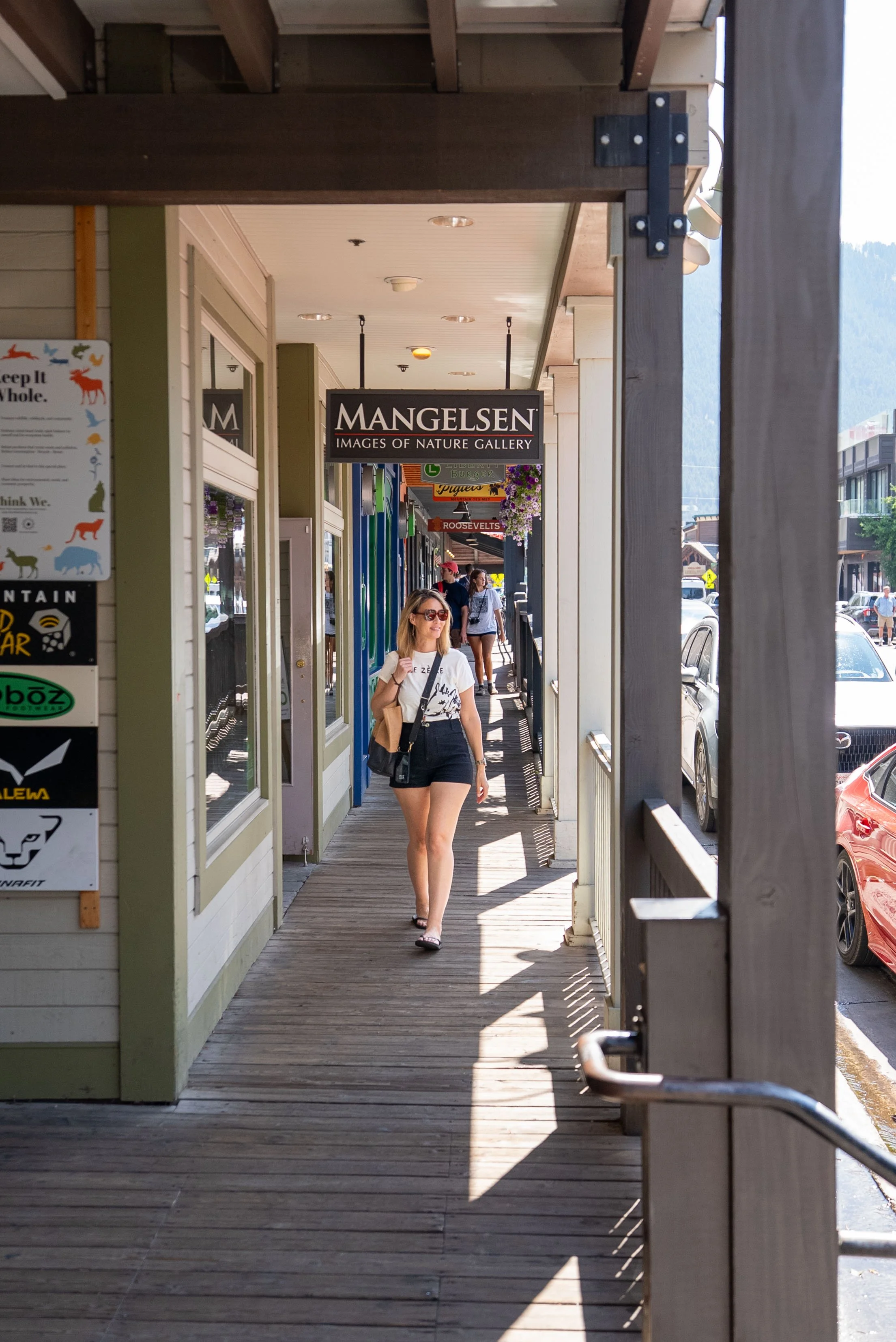
Shopping around downtown Jackson
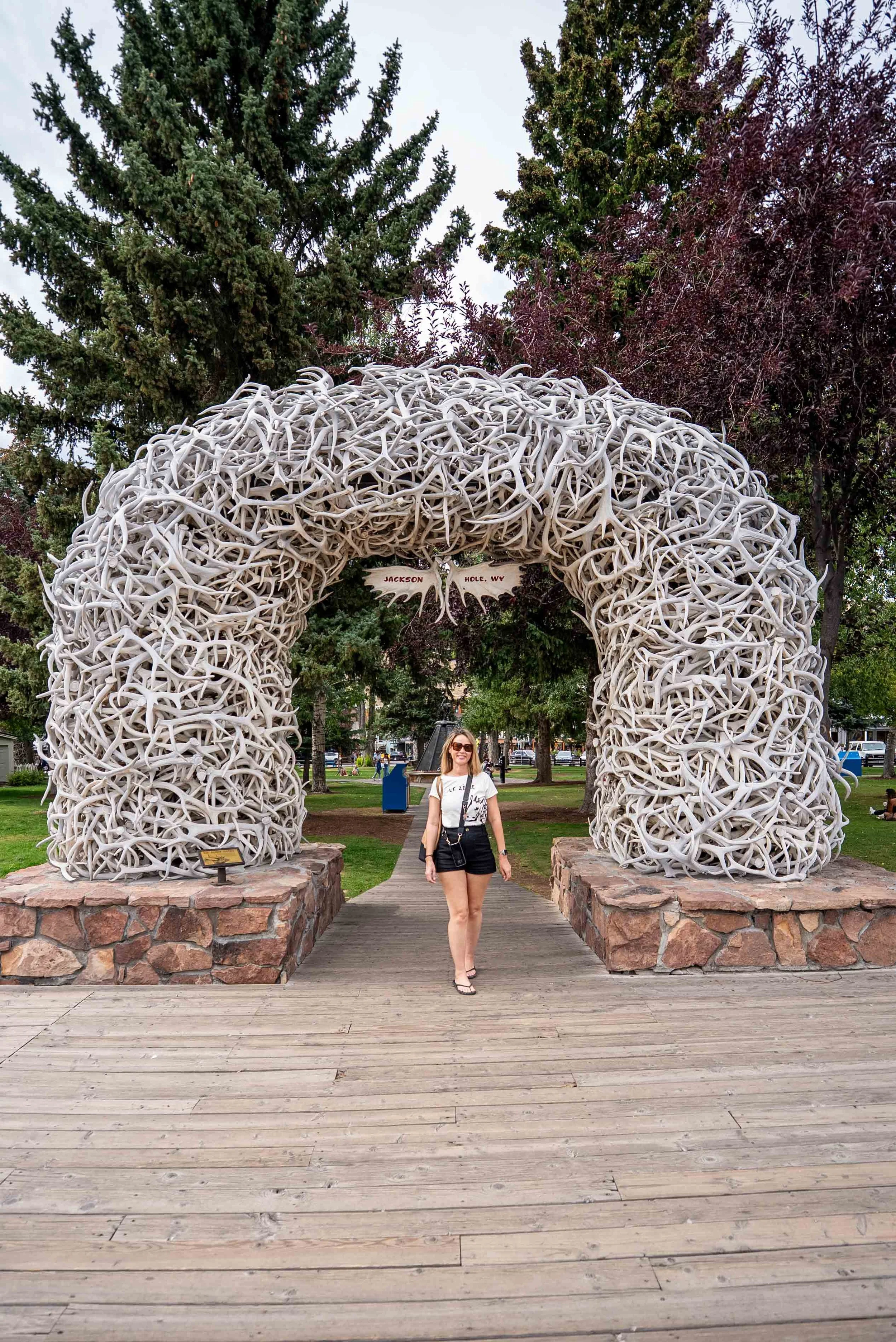
Cool entrance into the little park in downtown Jackson
Yellowstone National Park
Wildlife, Geysers, and Constant Surprises
Yellowstone is massive, and no amount of planning fully prepares you for how much driving, waiting, and adapting is involved. We stayed in West Yellowstone, which worked well for early starts and flexible routing.
Old Faithful
Yes, it is crowded. Yes, you may wait a while. But seeing Old Faithful erupt in person is still worth doing at least once. The eruption was quieter and more graceful than expected, lasting several minutes rather than a dramatic burst.
Interesting fact: Old Faithful erupts roughly every 90 minutes and can reach heights of about 160 feet.
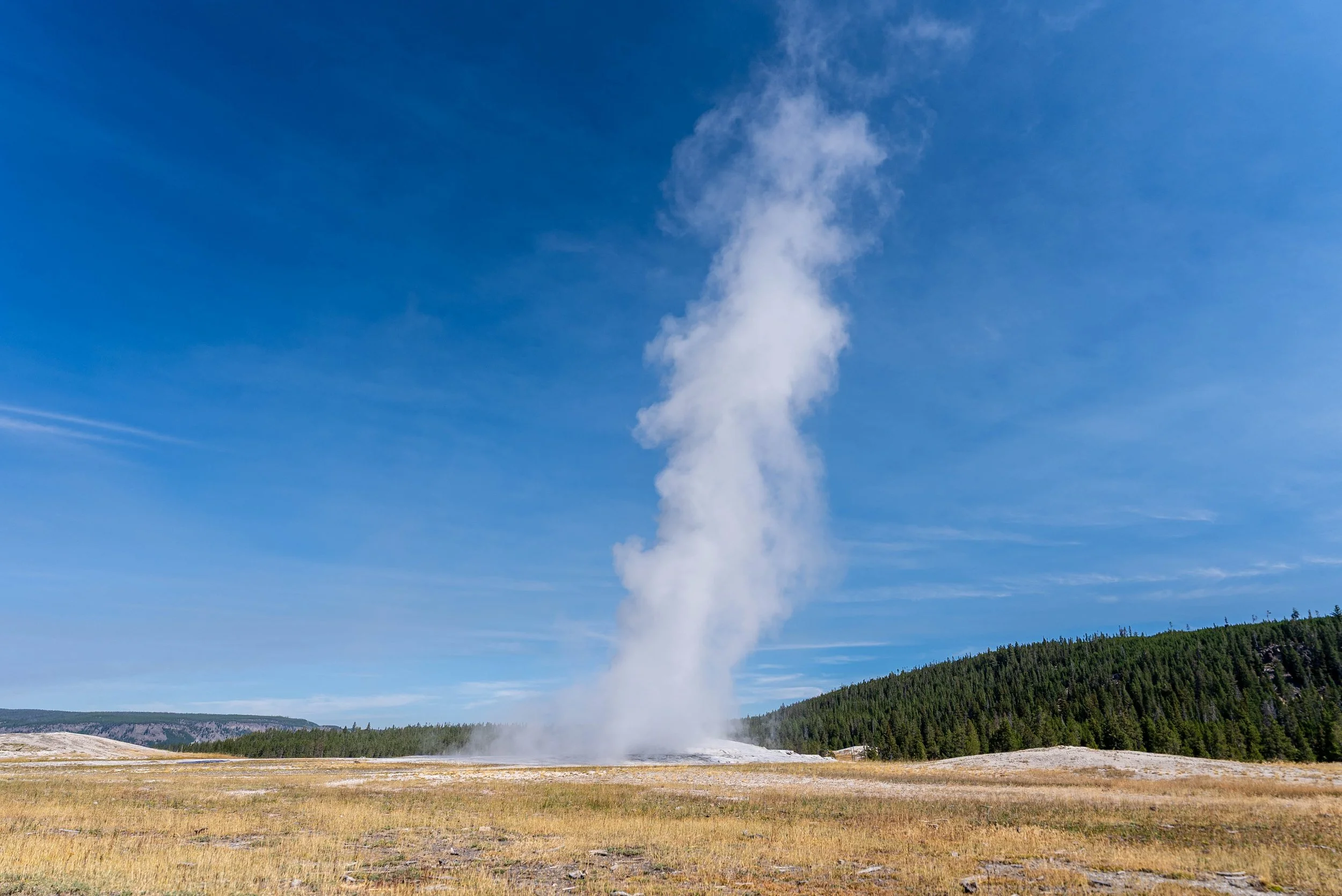
Old Faithful
Upper Geyser Basin
Although we did not personally spend time walking through the Upper Geyser Basin beyond Old Faithful, it is one of the most popular areas in Yellowstone and worth mentioning for planning purposes.
The Upper Geyser Basin contains the world’s largest single concentration of hot springs and geysers, including Old Faithful itself. Many visitors choose to walk the extended boardwalks here to see additional geysers like Castle Geyser, Grand Geyser, and Riverside Geyser, which are often less crowded the farther you walk from Old Faithful.
If you have extra time or want to get more value out of the Old Faithful area, exploring deeper into the Upper Geyser Basin can be a great way to see more geothermal activity without constantly moving your car.
Grand Prismatic Spring
This completely exceeded my expectations. The colors were vibrant and surreal, and walking the boardwalk up close was incredible. Be prepared for extra walking since parking often spills onto the roadside, and there is very little shade.
Tip: Bring sun protection even if temperatures feel mild. The exposure here is intense.
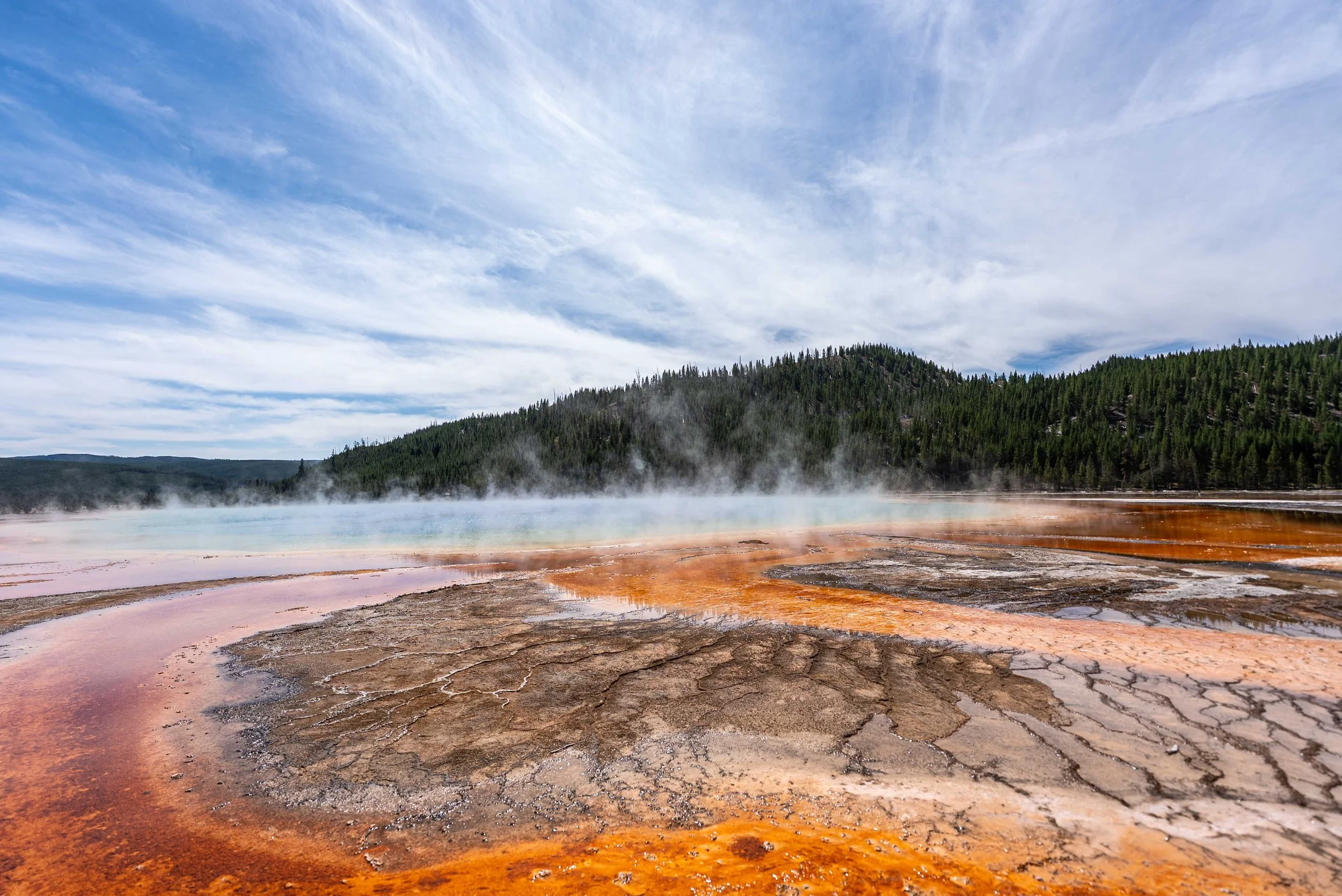
Grand Prismatic Spring
Fountain Paint Pots
This ended up being one of my favorite stops in Yellowstone. Bubbling mud pots, steam vents, and constant movement made it feel more dynamic than some of the larger, more famous geysers. I actually found this area more engaging than Old Faithful.
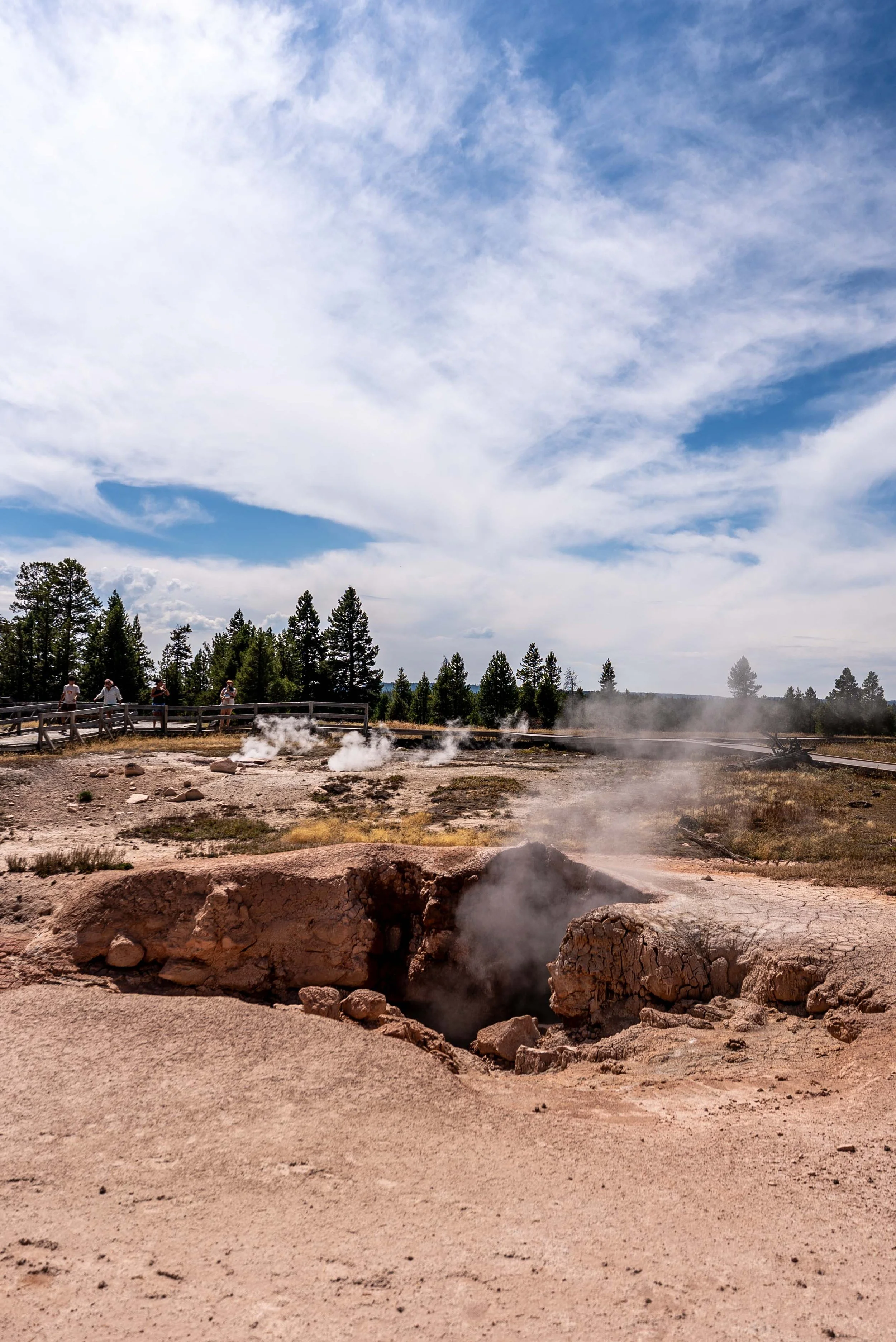
Fumarole at Fountain Paint Pot
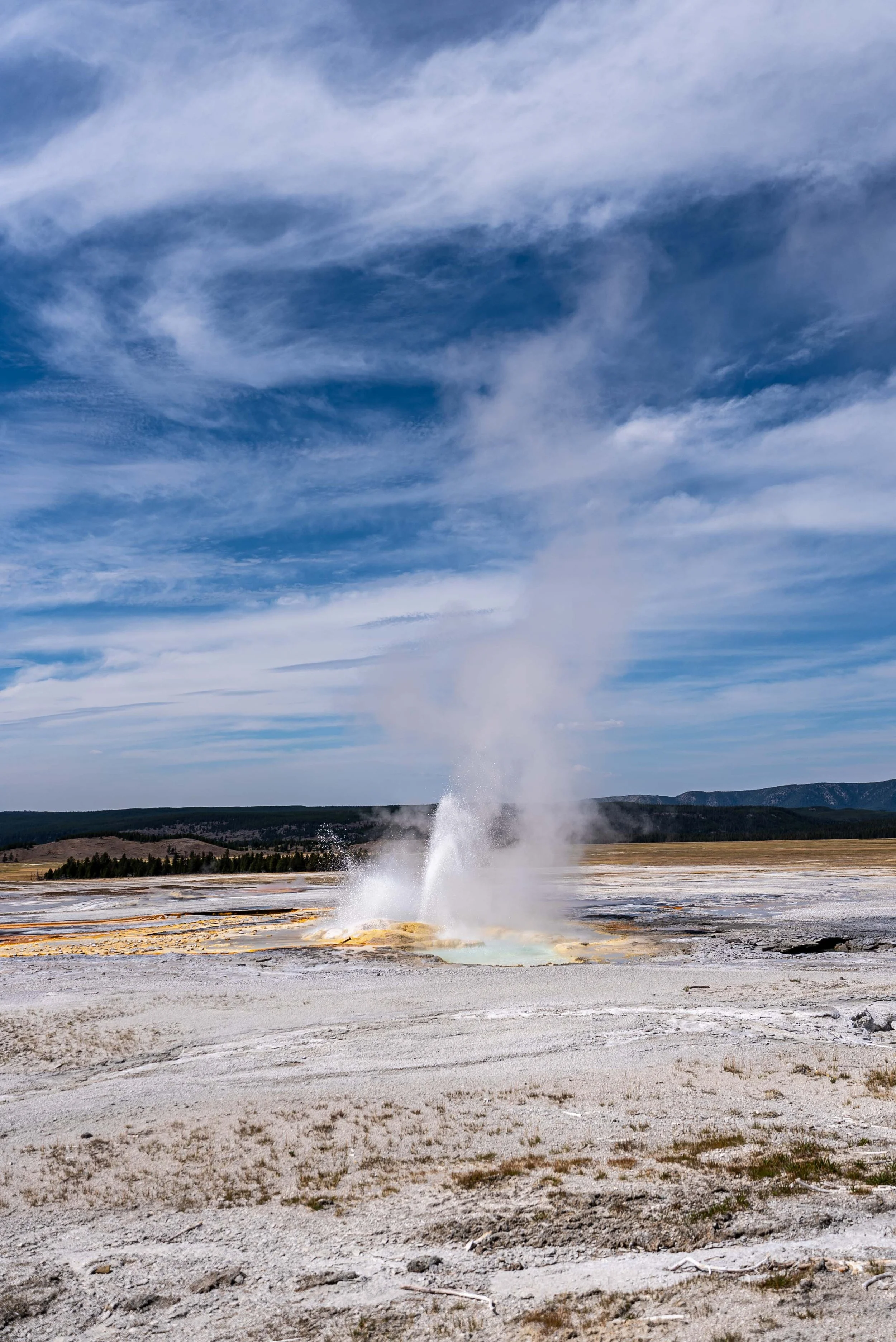
Spasm Geyser
Mammoth Hot Springs
We also visited Mammoth Hot Springs, located in the northern section of the park. This area looks completely different from the rest of Yellowstone, with terraced travertine formations that are constantly changing as hot water flows and cools.
While it was not as visually grand as Pamukkale in Turkey, which I have visited before, it was still interesting to see how active and ever-changing the landscape is. The boardwalks make it easy to explore, and it offered a nice contrast to the colorful hydrothermal areas like Grand Prismatic.
If you are already heading toward the north entrance or have extra time, Mammoth Hot Springs is worth a short visit.
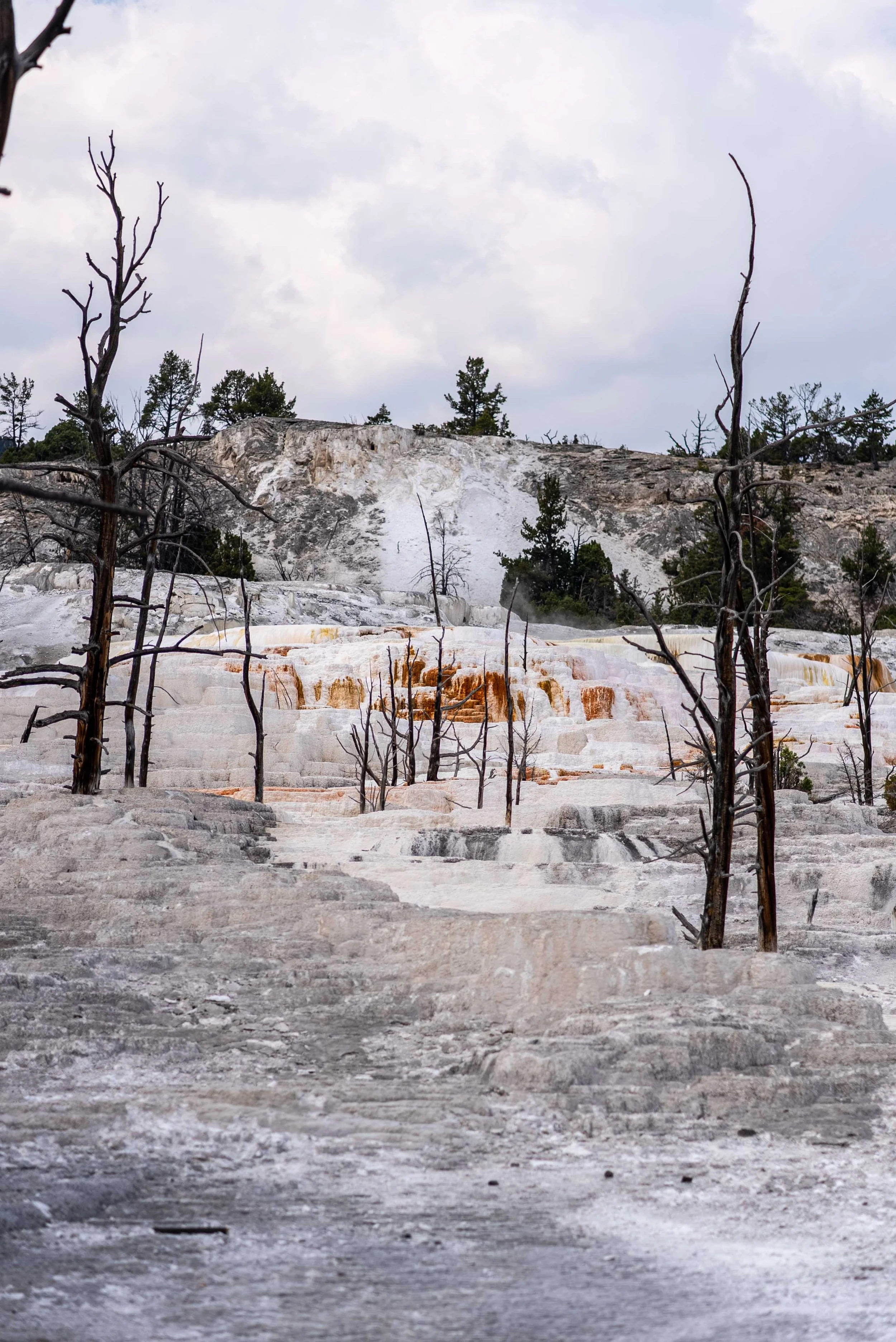
Mammoth Hot Springs
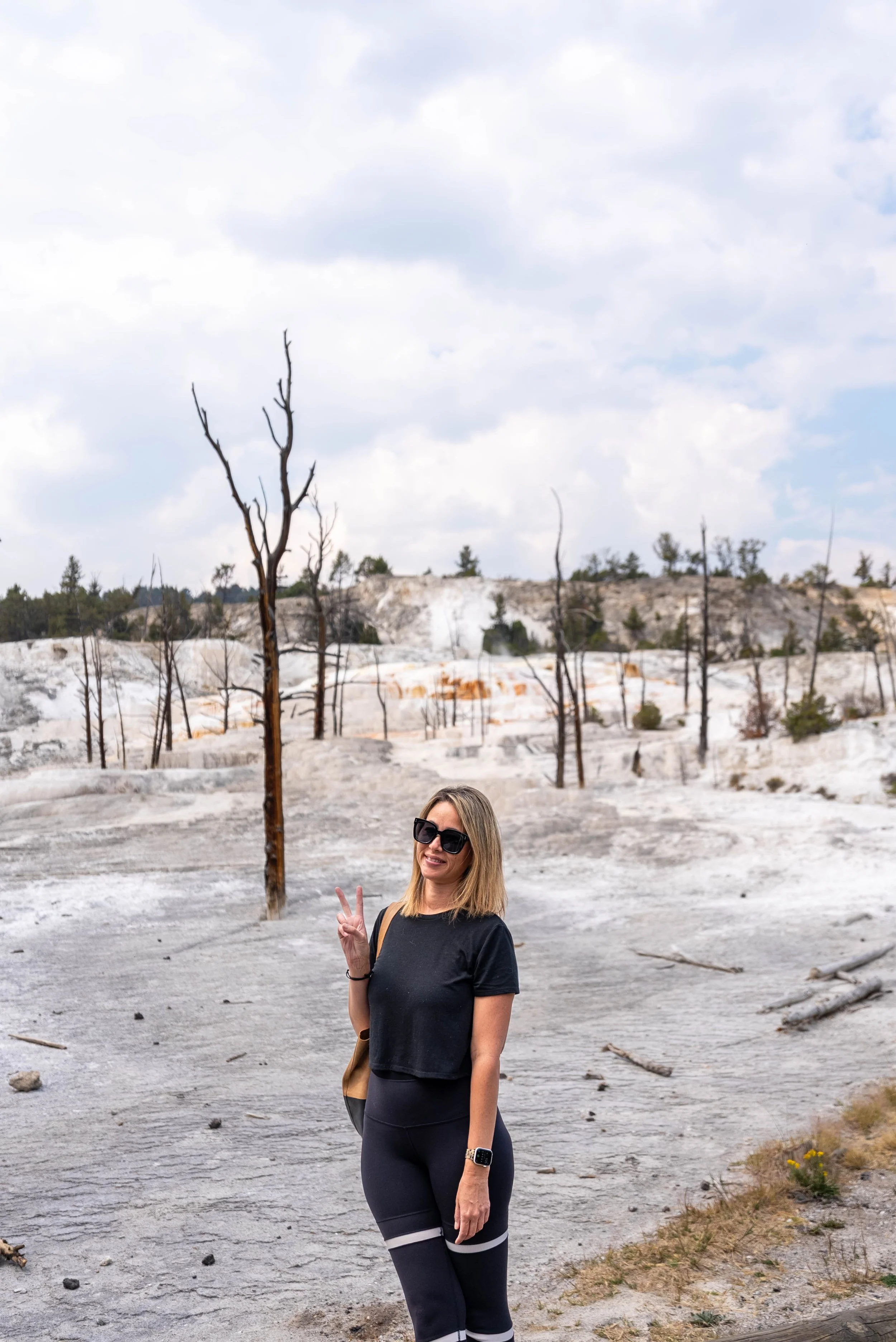
terraced travertine formations
Wildlife in Lamar Valley and Hayden Valley
We woke up before dawn to reach Lamar Valley, which is often recommended for wildlife viewing. While the area was beautiful and peaceful, most of the animals were very far away. Without binoculars or a telephoto lens, it was difficult to get a good view.
Hayden Valley was a much better experience for us. We saw large herds of bison, some fairly close to the road, including baby calves. Hearing them grunt as they walked past us was unforgettable.
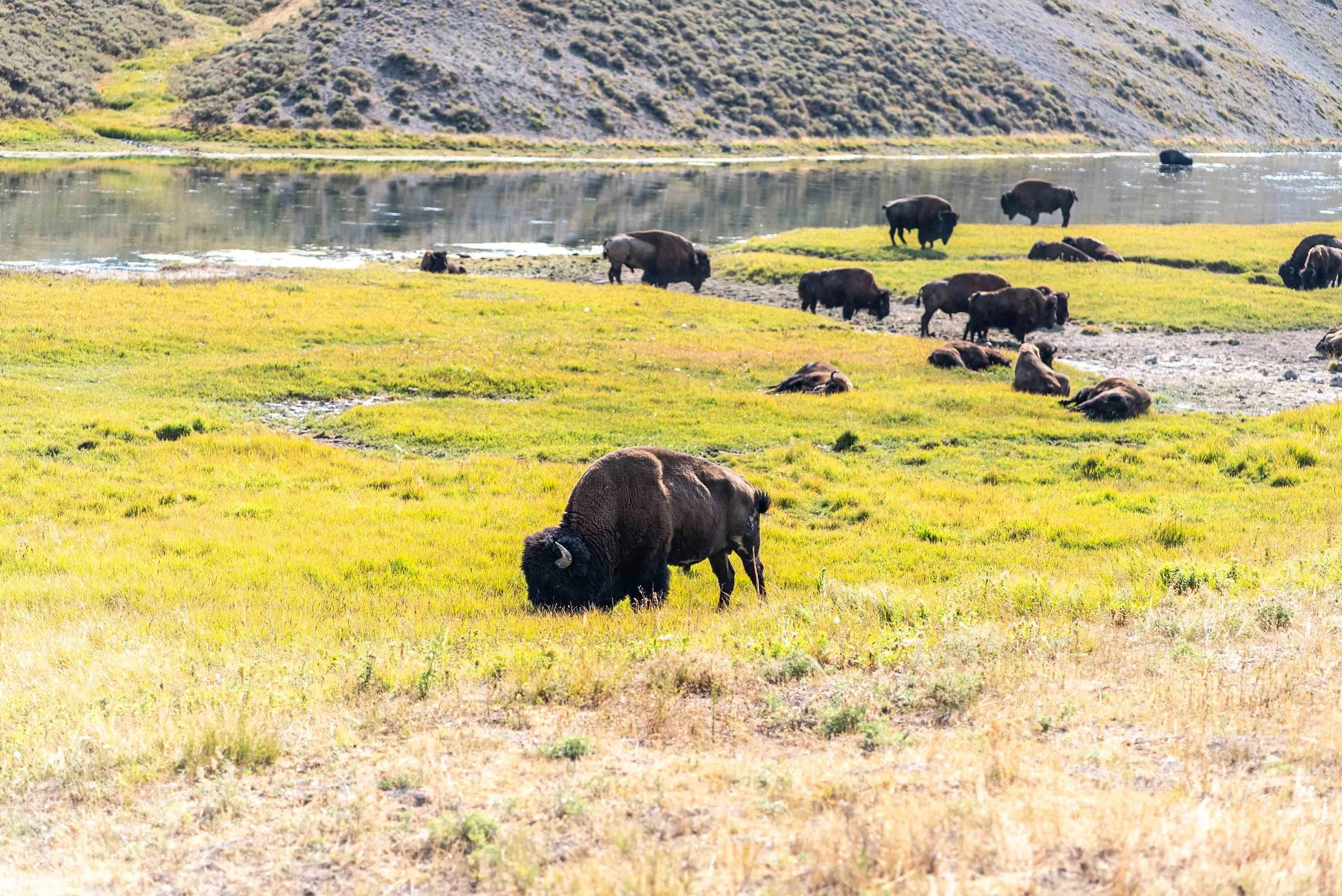
Lot of bison at Hayden Valley
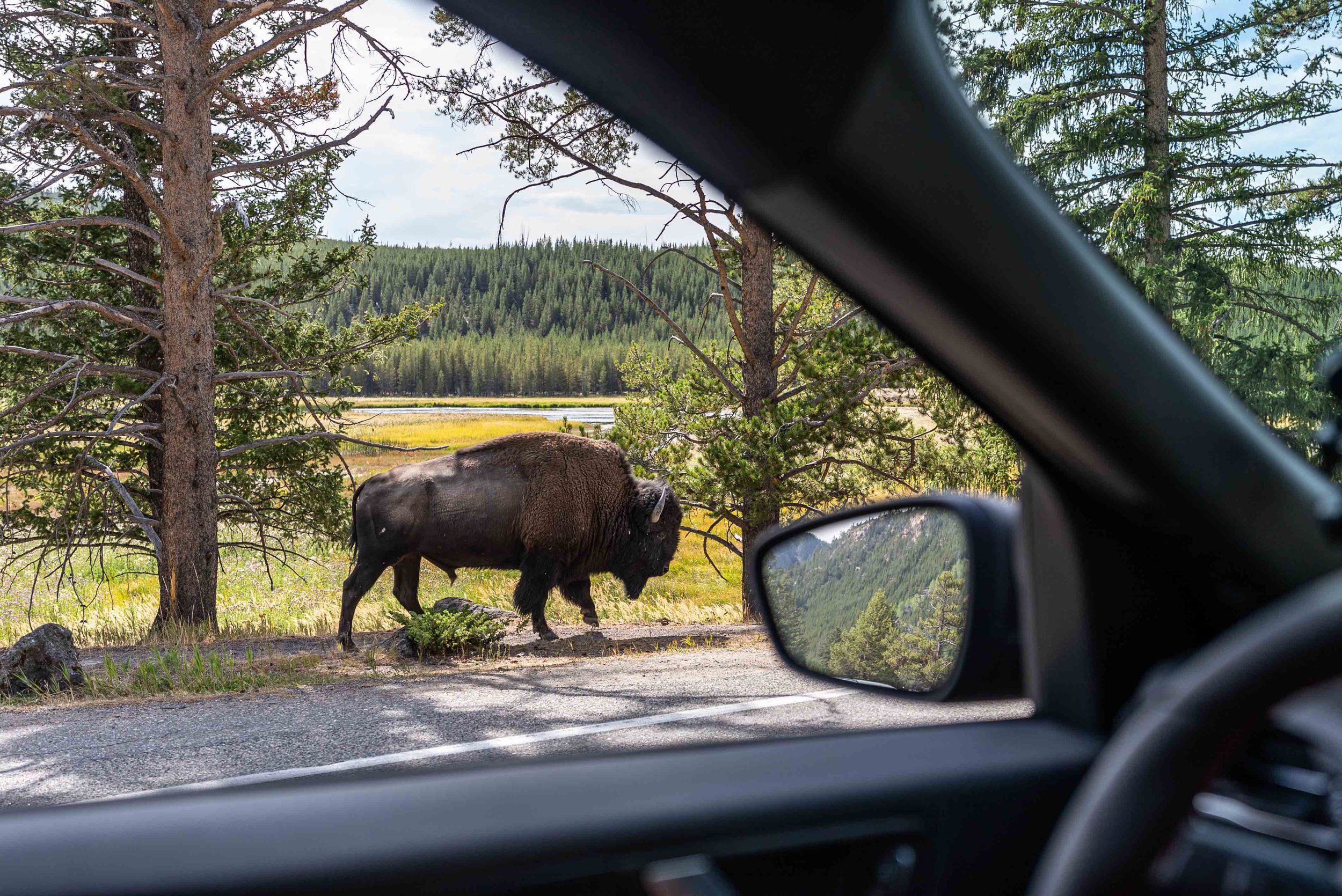
It is also important to know that you do not need to be in a specific valley to see bison. While driving around Yellowstone, there is a very good chance you will encounter bison walking directly on or alongside the main roads. We experienced multiple traffic stops caused by bison casually crossing or standing near our car.
Important reminder: Always stay at least 25 yards away from bison, even when they appear calm or block the road.
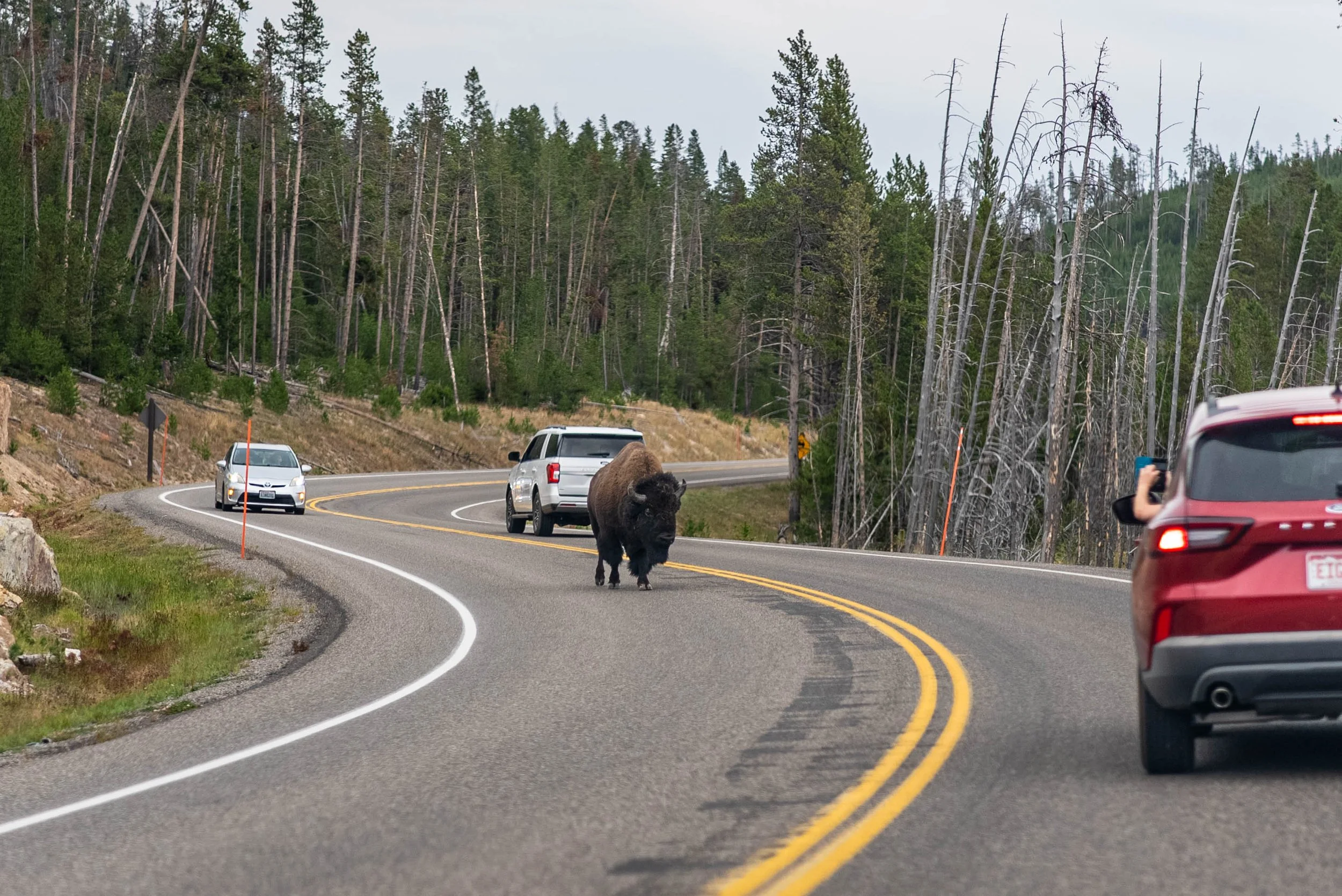
Bison were everywhere inside Yellowstone
Grand Canyon of the Yellowstone and Artist Point
We skipped the steep Lower Falls hike after reading the warning signs and opted for viewpoints instead. The overlooks provided incredible views without the stress of a strenuous hike. Artist Point delivered dramatic canyon views, powerful waterfalls, and multiple angles worth stopping for.
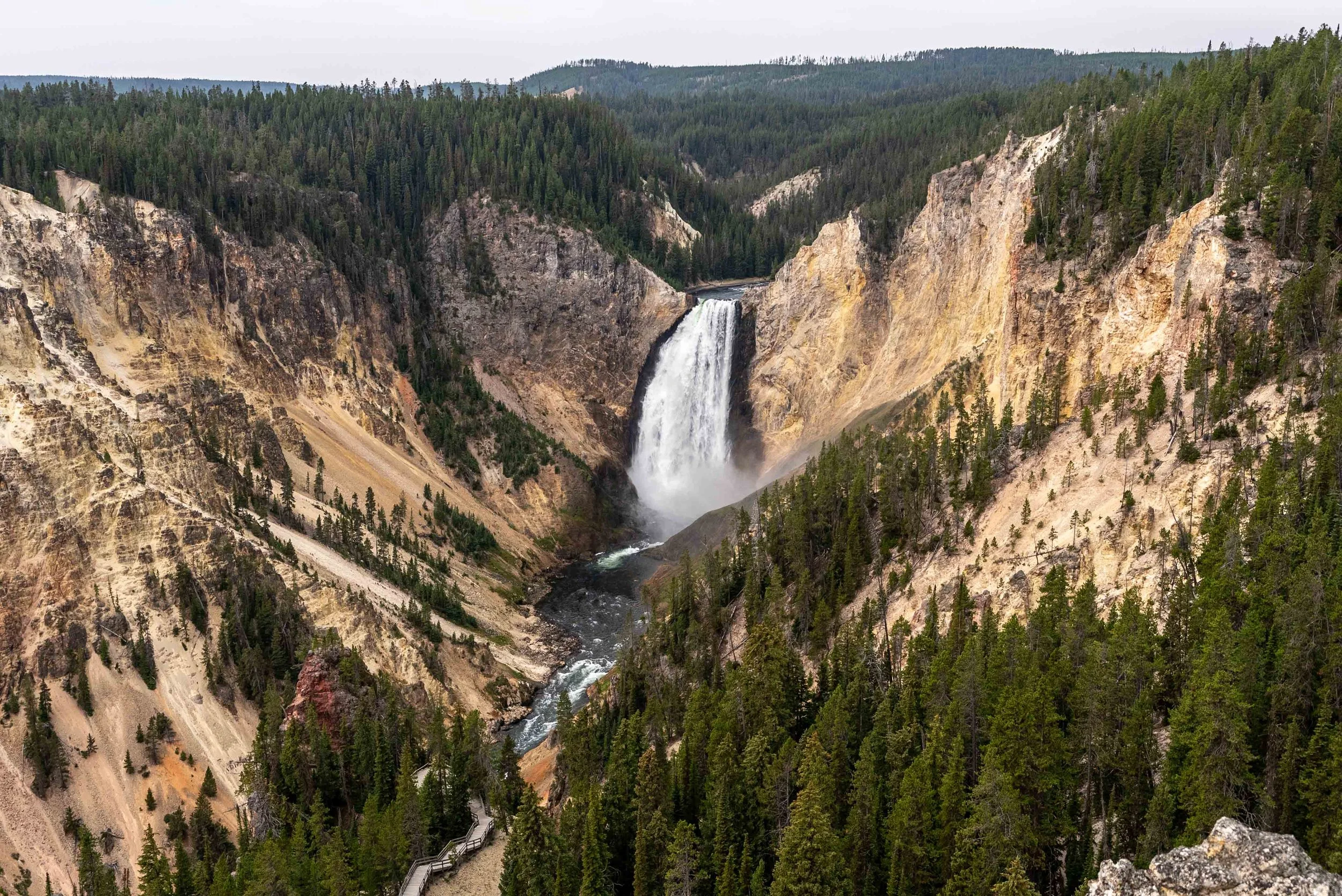
The Grand Canyon of Yellowstone
Other Yellowstone Stops to Consider
Yellowstone is so large that it is impossible to see everything in one visit. If certain areas feel too crowded or parking is full, these are solid alternatives to consider depending on your route and timing.
Fairy Falls Trail
This is a popular but rewarding hike that leads to Fairy Falls and also provides access to a Grand Prismatic overlook from above. Parking can be challenging during peak hours, but if you can make it work, it offers a different perspective than the boardwalks.
Point Sublime Trail or Overlooks
For those interested in quieter viewpoints, Point Sublime offers expansive views over the Grand Canyon of the Yellowstone. Access can depend on road conditions and timing, but it is a good option for visitors who want something less crowded than the main canyon viewpoints.
West Thumb Geyser Basin
Located along Yellowstone Lake, this compact geyser basin combines steaming thermal features with lake views. It is easy to walk and often feels more manageable than larger geyser areas.
Mud Volcano Trail
This area highlights Yellowstone’s more raw and dramatic geothermal activity, with bubbling mud pots and strong sulfur smells. It is very different from colorful pools like Grand Prismatic and adds variety to a Yellowstone itinerary.
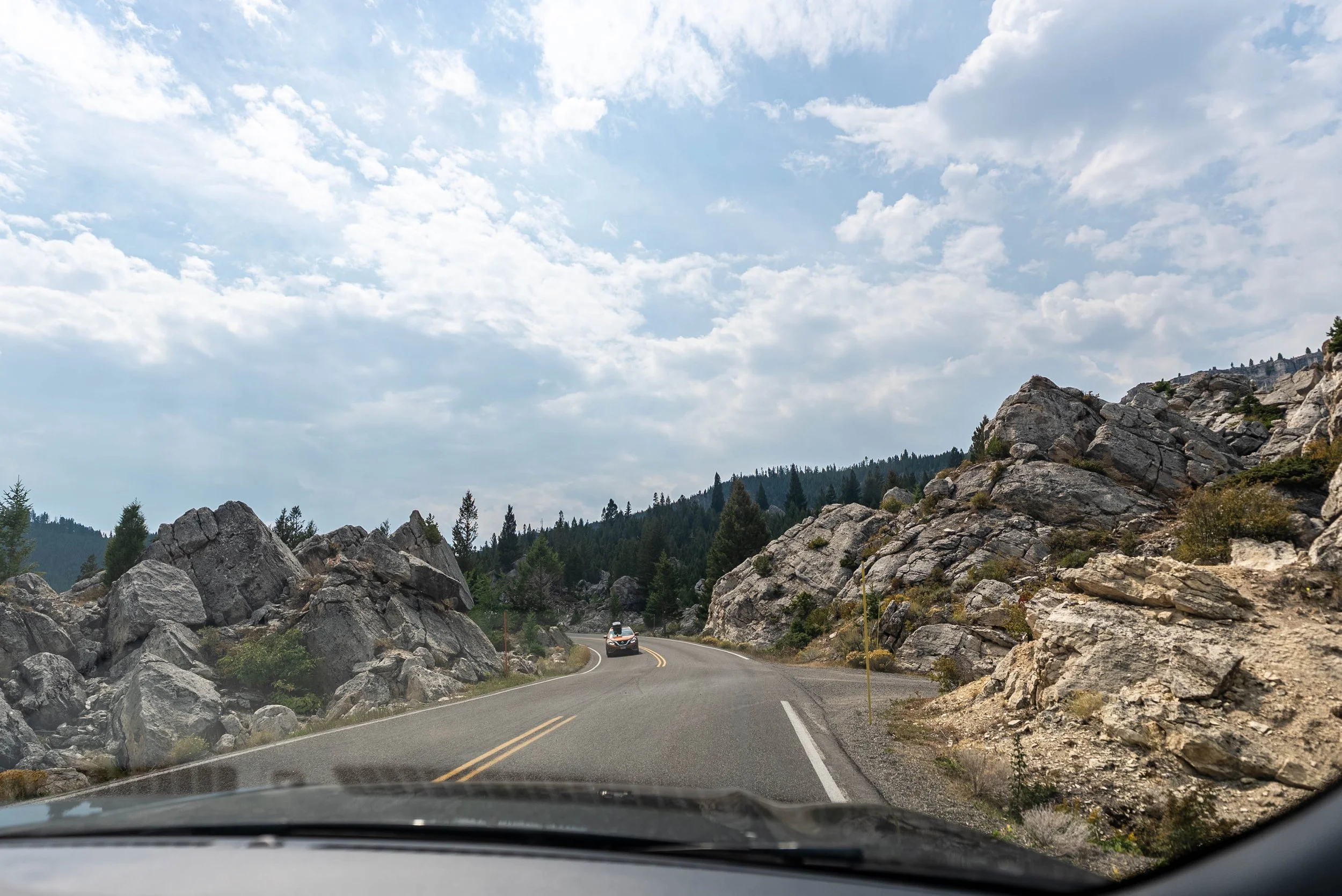
Cool landscapes to look at while you’re driving around Yellowstone
What to Pack for Grand Teton and Yellowstone
Clothing and Gear
Layers for cold mornings and warm afternoons
Comfortable walking shoes
Sun hat and sunglasses
Essentials
Refillable water bottle
Snacks or packed lunch
Offline maps downloaded to your phone
Binoculars for wildlife viewing
Nice to Have
Bear spray based on current park guidelines
Small daypack
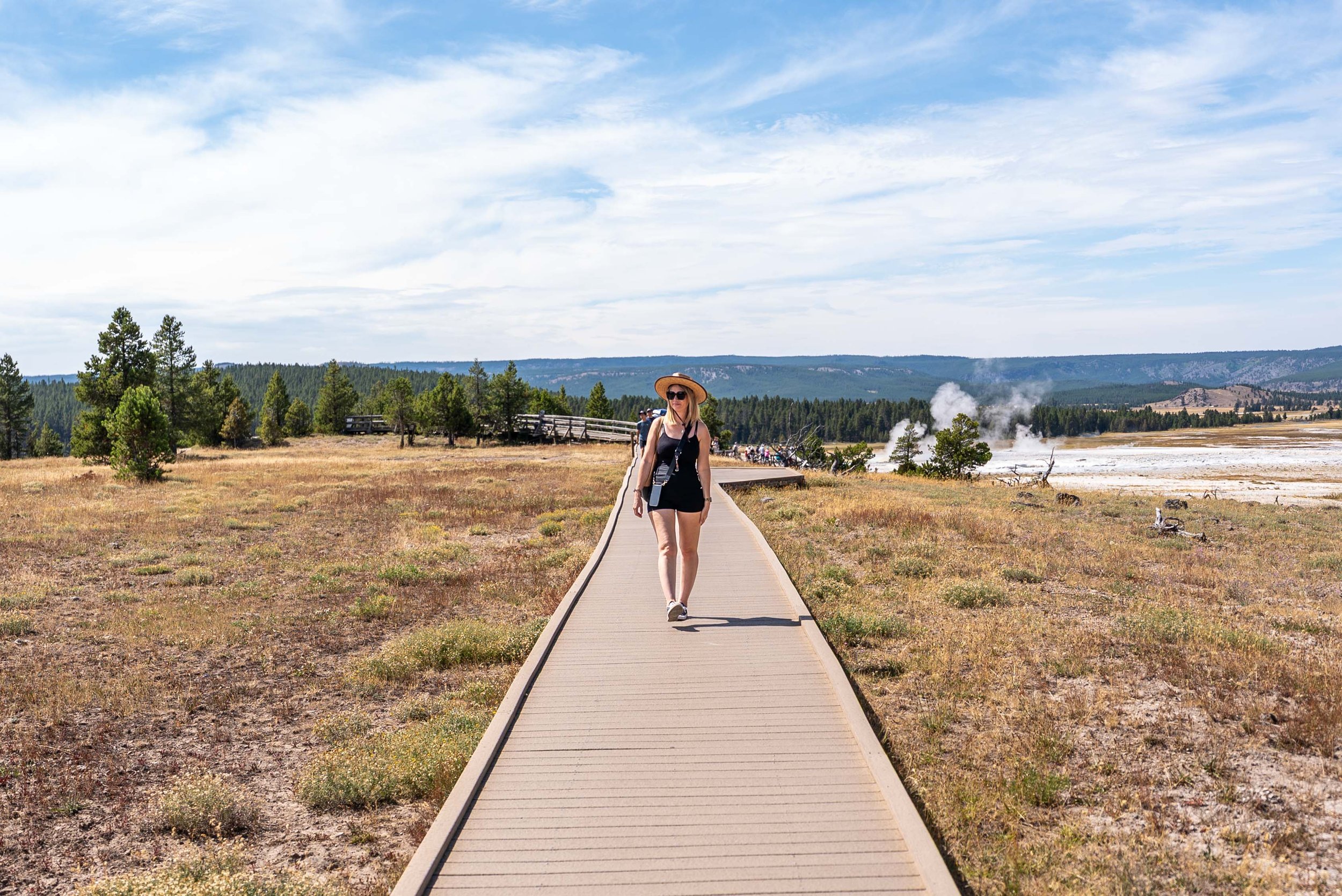
The afternoons were quite warm so make sure to bring a hat and sunglasses
Pros and Cons of Visiting These Parks Back to Back
Pros
Very convenient to visit together
Diverse landscapes in a short amount of time
Excellent wildlife viewing opportunities
Accessible for a wide range of fitness levels
Cons
Crowds build quickly by mid-morning
Long driving distances inside Yellowstone
Parking fills fast at popular stops
Food options inside the parks are limited and average
Recommended Tours for Grand Teton and Yellowstone
If you prefer a guided experience or want to see more without worrying about driving, tours can be a great option, especially if you are short on time or visiting for the first time. These are a few highly rated options that depart from Jackson or focus on Yellowstone highlights.
Grand Teton National Park Half-Day Tour
This half-day tour from Jackson is ideal if you want a relaxed introduction to Grand Teton without planning every stop yourself. It typically includes scenic overlooks, wildlife viewing opportunities, and insight from a knowledgeable guide, making it a good option if you only have limited time in the park.
Yellowstone National Park Full-Day Tour from Jackson
If you are staying in Jackson and want to experience Yellowstone without the long drive and navigation, this full-day tour covers major highlights like geysers, waterfalls, and wildlife areas. It is a convenient option for seeing Yellowstone in one packed but efficient day.
Private Yellowstone Safari and Scenic Tour with Lunch
For a more personalized experience, a private guided safari-style tour focuses on wildlife viewing and scenic areas, often with fewer crowds and a flexible pace. This is a great choice if wildlife is a priority or if you want a deeper experience without driving yourself.
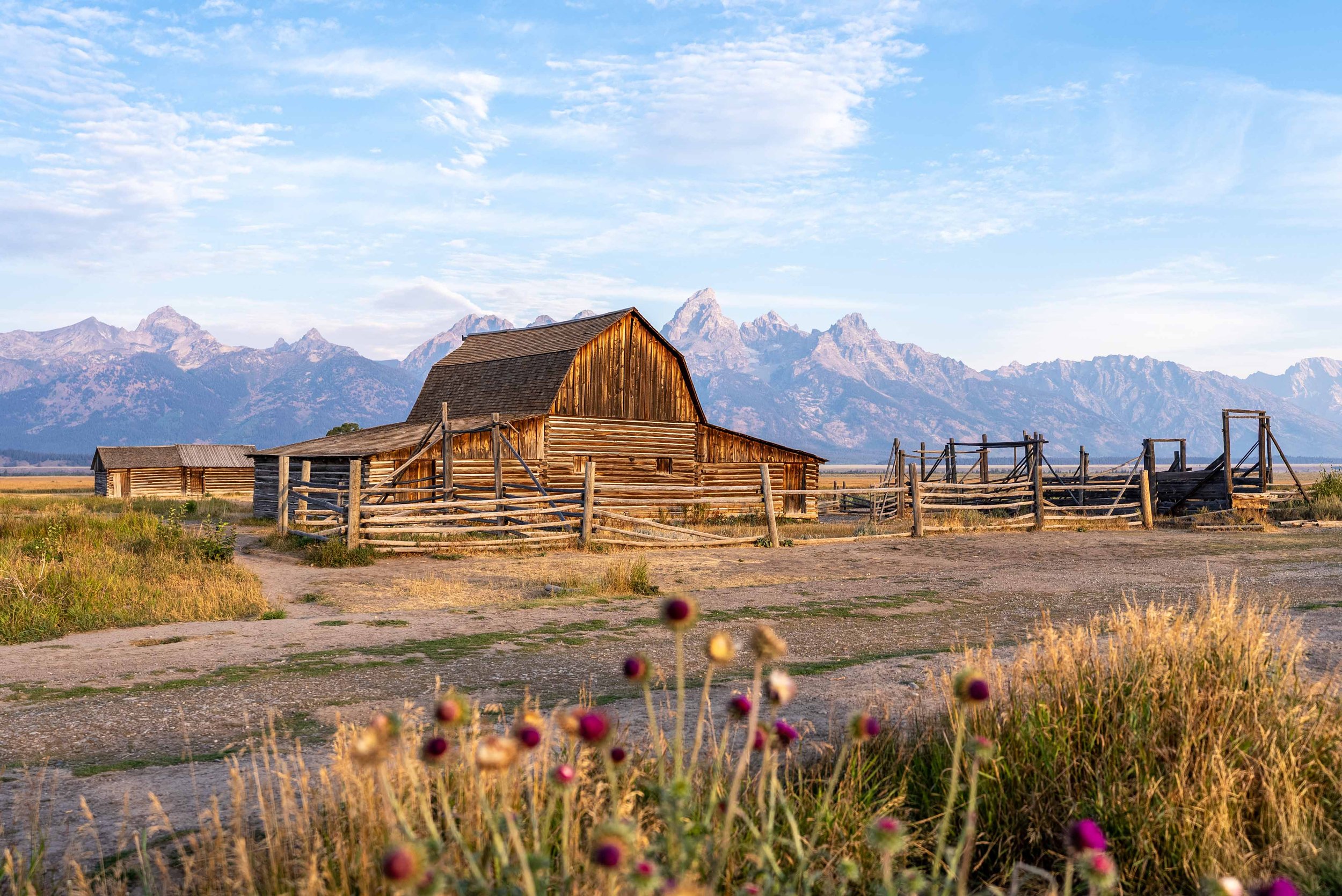
A classic barn at Mormon Row with the Grand Teton mountains rising in the background
Frequently Asked Questions
-
A realistic minimum is three to four days total. One full day works well for Grand Teton, while Yellowstone benefits from at least two full days. If you have more time, adding an extra day to Yellowstone makes the trip far more relaxed.
-
Yes, and they pair extremely well together. The parks are close geographically, and many travelers visit Grand Teton first before continuing north to Yellowstone. Visiting both on the same trip provides a great balance of scenic landscapes and geothermal features.
-
Yes, one day is enough to see the highlights if you focus on scenic stops and short walks. Sunrise locations like Mormon Row and Schwabacher Landing, combined with a few overlooks, make for a very full and rewarding day.
-
Two full days is the minimum for Yellowstone, but three to four days is ideal if you want to explore multiple areas without feeling rushed. The park is massive, and drive times between locations are longer than most people expect.
-
Yes. Late August offers full access to park roads and trails, active wildlife, and cooler mornings. Crowds are still present, especially in Yellowstone, but starting early helps significantly.
-
Binoculars are helpful in both parks, but especially useful in Yellowstone. In areas like Lamar Valley, wildlife is often far away. In Grand Teton, many scenic stops do not require them, but they still enhance the experience.
-
Staying in or near Jackson works well for Grand Teton, while West Yellowstone is a convenient base for Yellowstone. Lodging inside the parks is ideal for reducing drive time but often sells out far in advance.
-
Wildlife sightings are common in both parks, but Yellowstone offers more frequent and closer encounters, especially with bison.





















We spent two full days in Glacier National Park during peak season. From foggy mornings and wildlife encounters to scenic drives and unexpected detours, here’s what our experience was really like.