

A First-Time Guide to Yellowstone National Park in Late August
/This post contains affiliate links. This means that at no additional cost to you, as an Amazon Associate, we earn from qualifying purchases.
Visiting Yellowstone National Park in Late August
A Realistic First-Time Guide With Tips, Wildlife Notes, and Must-See Stops
Yellowstone National Park is one of those places that feels impossible to fully grasp until you experience it yourself. It is massive, unpredictable, and constantly changing. Visiting in late August gave us full access to park roads and trails, active wildlife, and long daylight hours, but it also required early starts and flexibility to navigate crowds.
This was my first time visiting Yellowstone National Park, and while we planned carefully, some of the most memorable moments happened when plans changed. Below is exactly what our experience was like, along with helpful context for stops we did not personally explore but are popular with visitors.
Where We Stayed Near Yellowstone
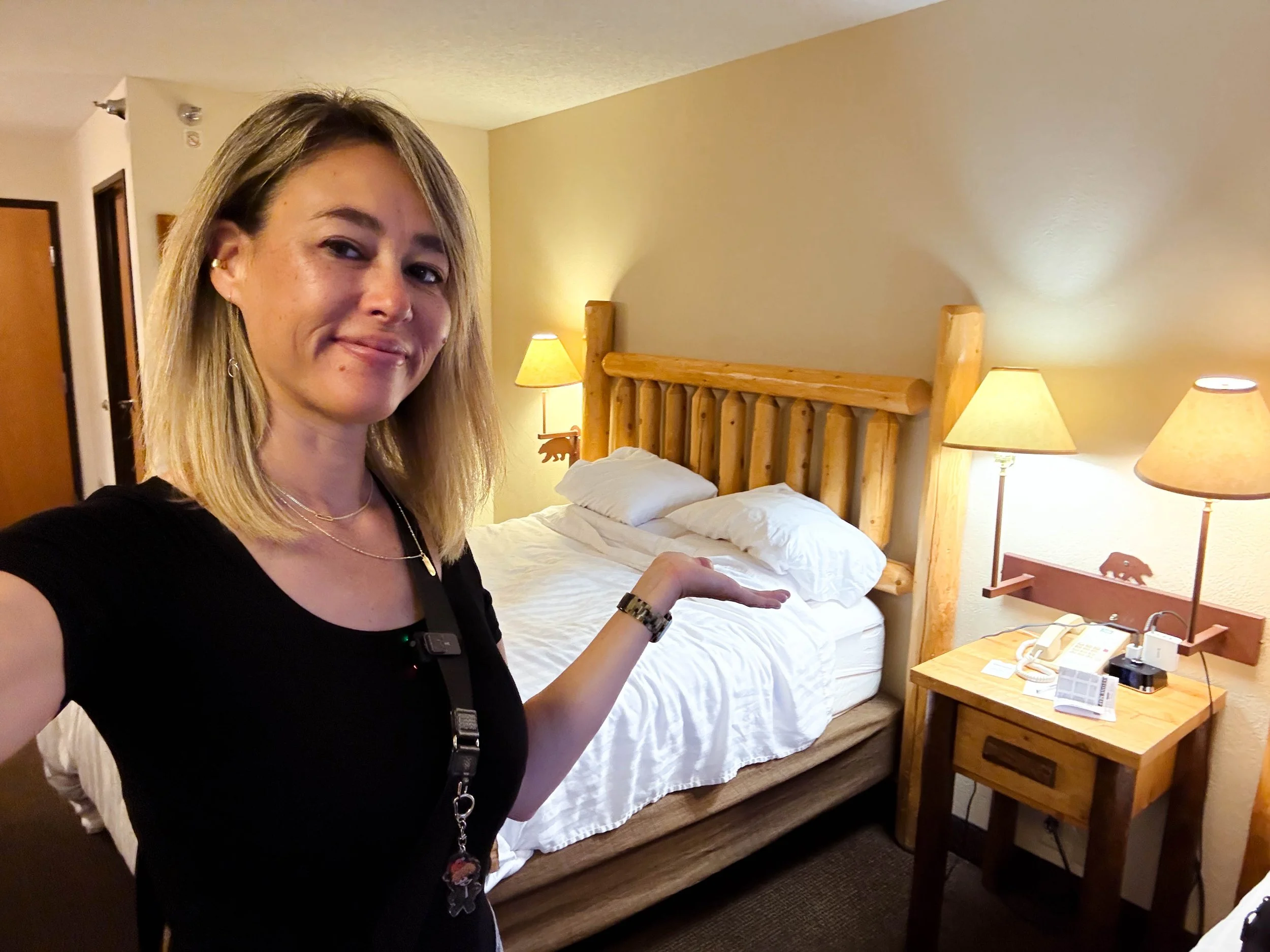
For our Yellowstone visit, we stayed at Kelly Inn West Yellowstone, and it ended up being a very convenient base for exploring the park.
The hotel is located just outside the west entrance, which made early starts much easier, especially for visiting Old Faithful, Grand Prismatic Spring, and other central geyser areas. We appreciated having free breakfast, which helped us get out the door quickly in the mornings without needing to search for food.
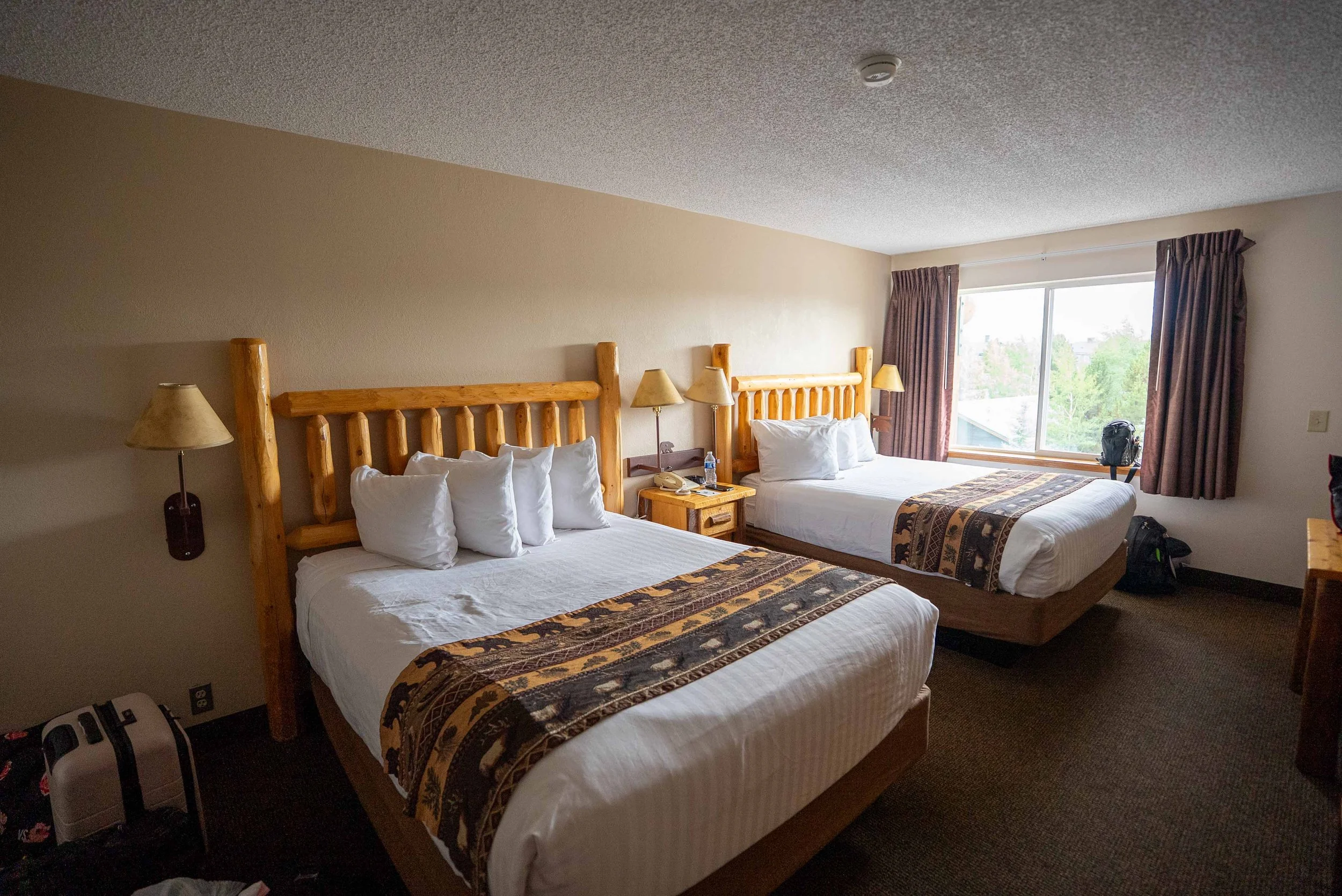
Kelly Inn West Yellowstone
After long days of driving and walking, it was also nice to return to a comfortable, quiet hotel outside the park. While staying inside Yellowstone can reduce drive times, availability is limited and books far in advance. Staying in West Yellowstone felt like a practical balance between location, comfort, and flexibility.
If you plan to stay here, I would still recommend starting early each day, especially during peak season, since the west entrance can get busy later in the morning.
What to Expect When Visiting Yellowstone
Yellowstone is not a park you casually drive through. Distances are long, driving times add up quickly, and traffic often stops completely due to wildlife on the road. Bison do not move on your schedule.
Late August brought warm afternoons, cool mornings, and frequent wildlife sightings. Crowds were still present, especially mid-morning through early afternoon, but starting early made a noticeable difference.
Geysers and Thermal Areas We Visited
Old Faithful
Old Faithful is busy for a reason. Seeing it erupt in person was still worth it, even with the crowds. The eruption was calmer and more graceful than expected, lasting several minutes.
Helpful tip: Check predicted eruption times and arrive shortly before rather than waiting too long.
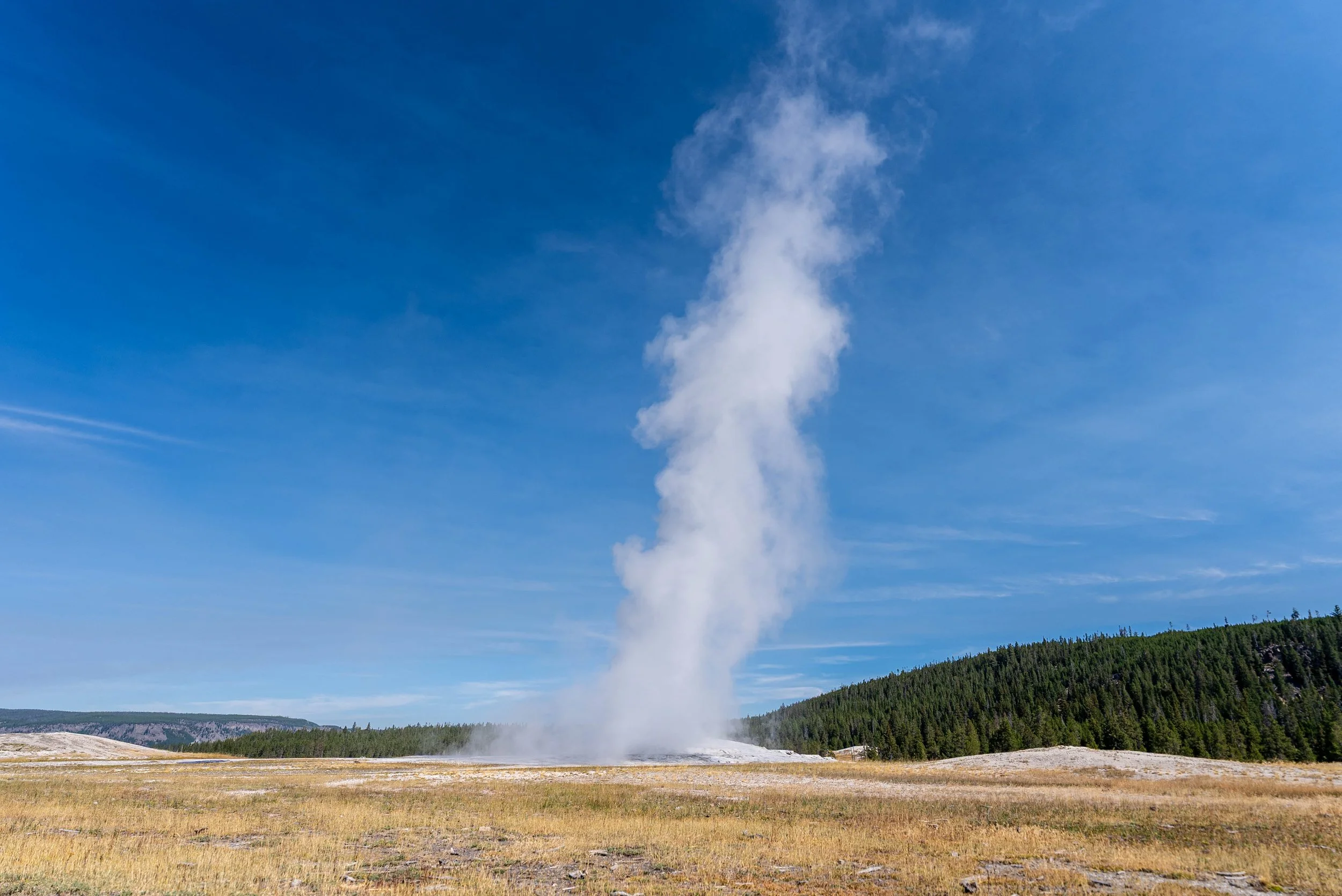
Old Faithful
Grand Prismatic Spring
This was one of the most impressive sights in the park. The colors are incredibly vivid in person, and the boardwalk allows you to experience it up close. Be prepared for extra walking and very little shade.
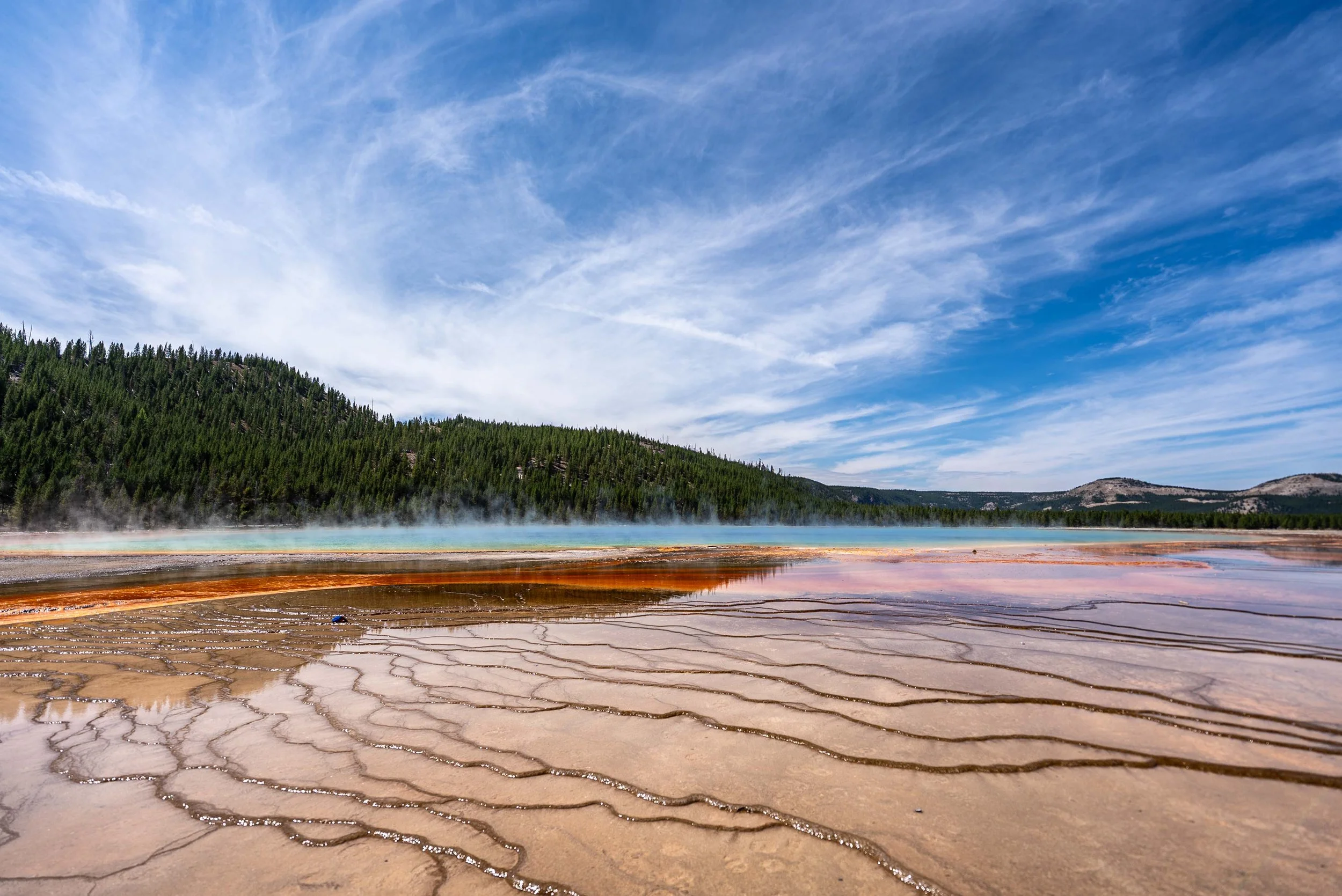
Grand Prismatic Spring
Fountain Paint Pots
This ended up being one of my favorite geothermal areas. Bubbling mud pots, steam vents, and constant movement made it feel alive and dynamic. It felt less overwhelming than some of the larger geyser basins and offered a completely different experience.
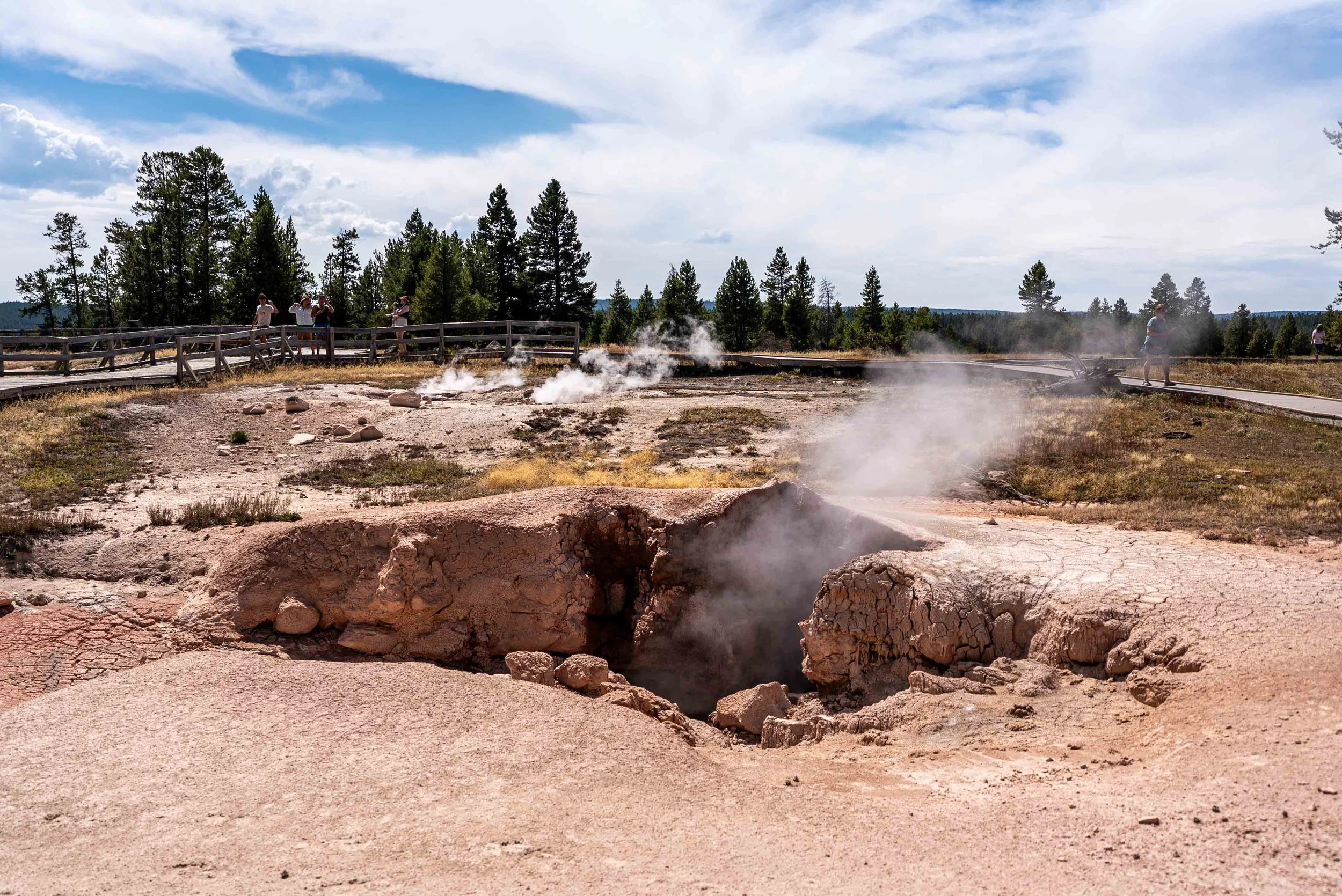
Fumarole at Fountain Paint Pot trail
Mammoth Hot Springs
Mammoth Hot Springs feels very different from the rest of Yellowstone. The white travertine terraces are constantly changing as hot water flows and cools.
While it was not as visually grand as Pamukkale in Turkey, which I have visited before, it was still interesting to see such an active and evolving landscape. The boardwalks are easy to navigate, and it makes a good stop if you are near the north entrance.
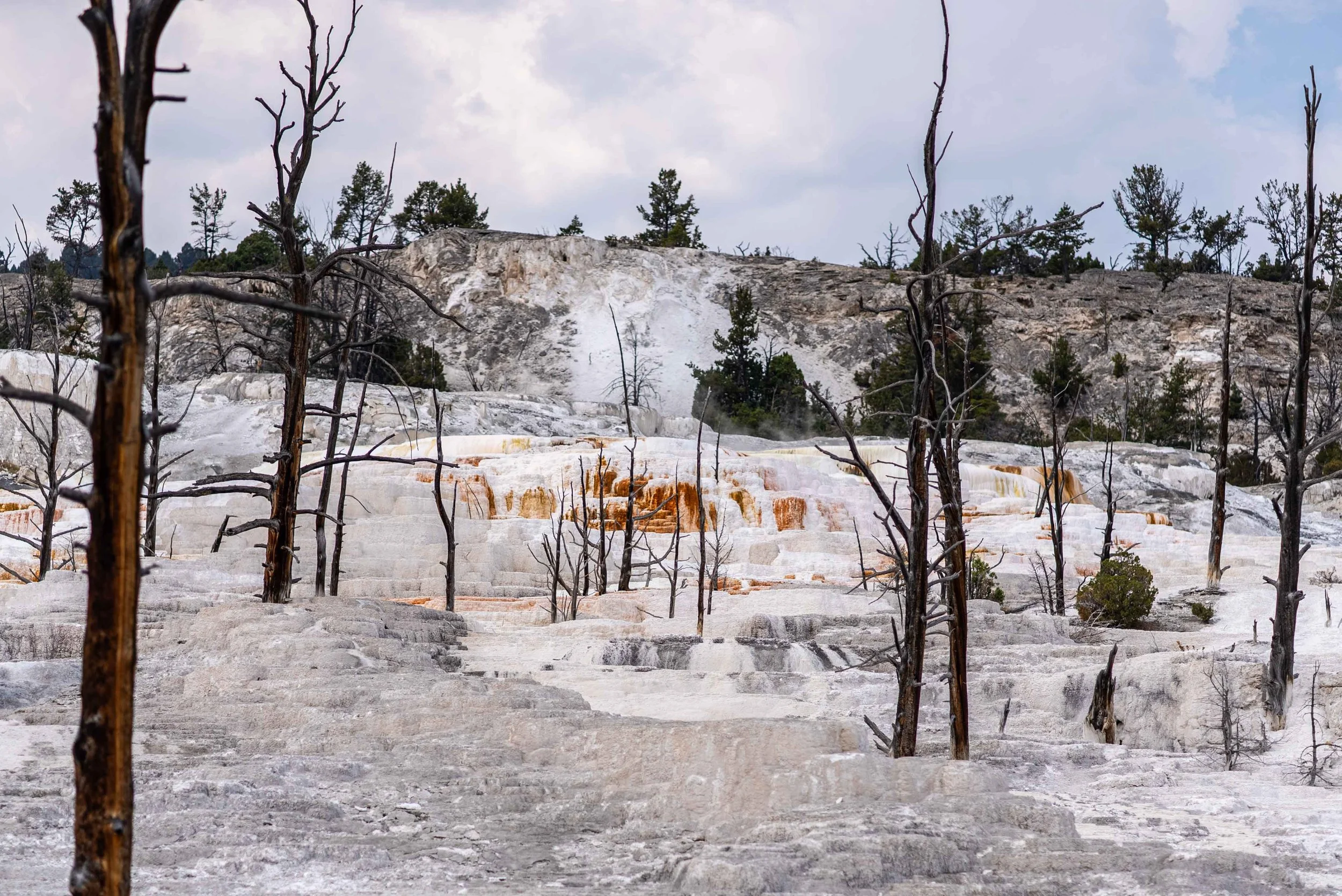
Mammoth Hot Springs
Popular Yellowstone Stops Worth Knowing About
Upper Geyser Basin
Although we did not personally walk the Upper Geyser Basin beyond Old Faithful, it is one of the most popular areas in the park. It contains the world’s largest single concentration of geysers and hot springs, including several famous geysers that erupt less predictably.
Many visitors find that walking farther from Old Faithful helps escape crowds while seeing more geothermal activity.
West Thumb Geyser Basin
Located along Yellowstone Lake, this compact basin combines steaming thermal features with lake views. It is an easy stop and often feels more manageable than larger geyser areas.
Fairy Falls Trail
This trail leads to Fairy Falls and also offers access to a higher viewpoint overlooking Grand Prismatic Spring. Parking can be challenging during peak hours, but it provides a completely different perspective compared to the boardwalks.
Mud Volcano Trail
This area showcases Yellowstone’s more raw geothermal activity. Bubbling mud pots and strong sulfur smells make it feel dramatic and intense. It is very different from colorful pools like Grand Prismatic.
Point Sublime Trail or Overlooks
For visitors seeking quieter viewpoints, Point Sublime offers expansive canyon views. Access can depend on conditions, but it is a good alternative to busier overlooks near Artist Point.
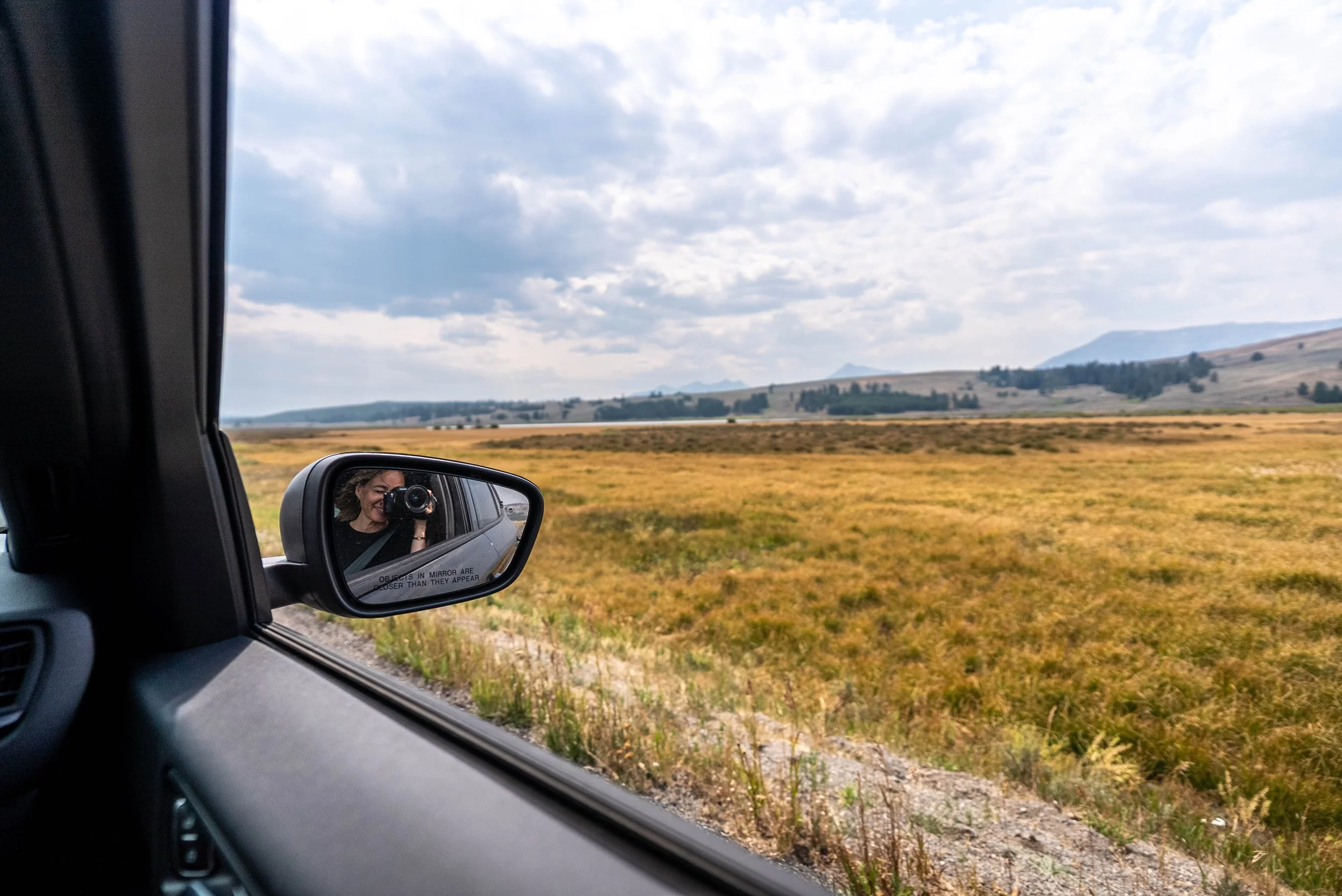
Lots of driving around at Yellowstone
Wildlife Viewing in Yellowstone
Lamar Valley
We woke up before dawn to reach Lamar Valley, which is often recommended for wildlife viewing. While the area was beautiful and peaceful, most wildlife was very far away. Without binoculars or a telephoto lens, it was difficult to see much detail.
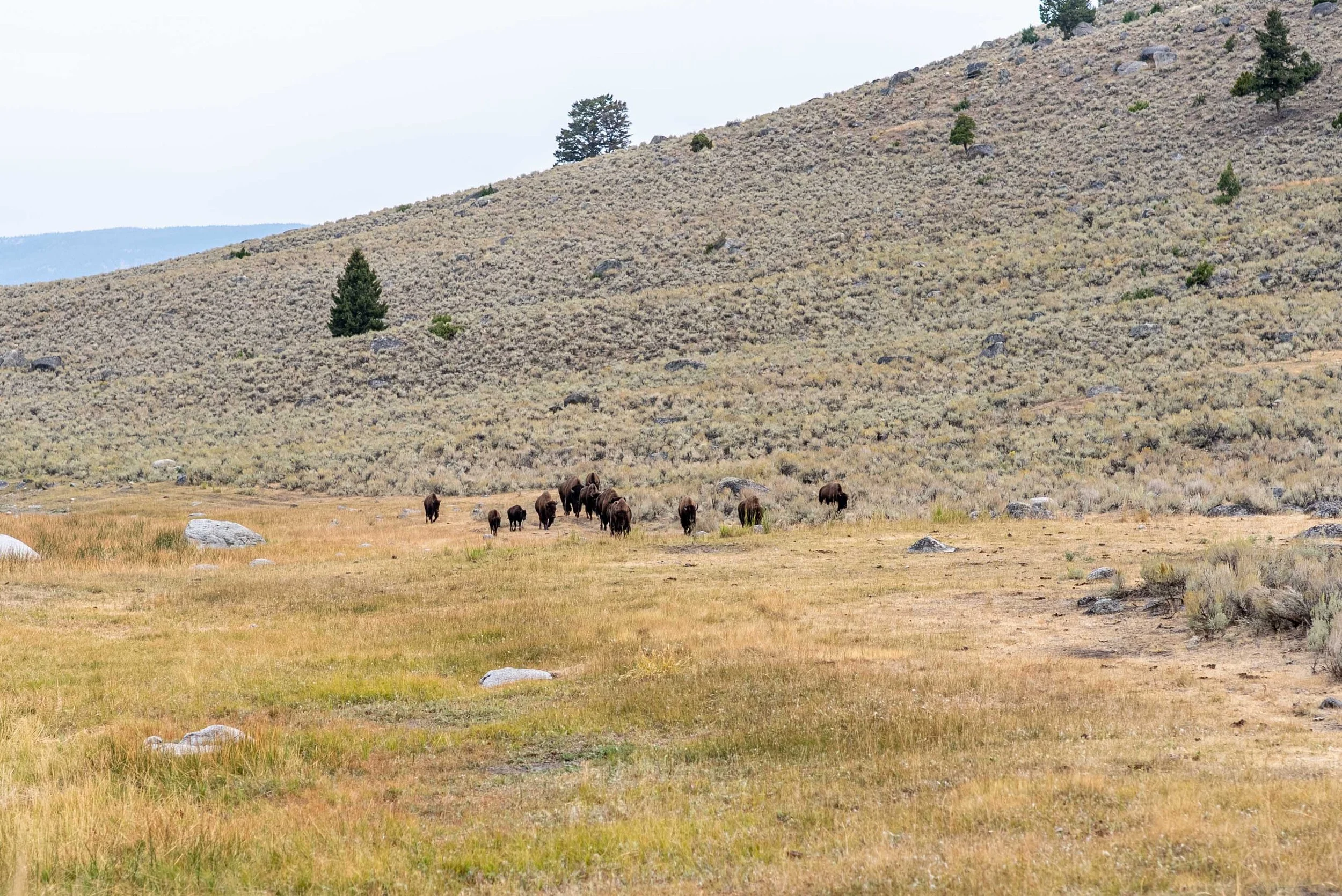
There are bison around Lamar Valley but you’ll often need binoculars for a better view
Hayden Valley
Hayden Valley was a much better experience for us. We saw large herds of bison, including baby calves, many of them closer to the road. Hearing them grunt as they walked past was unforgettable.
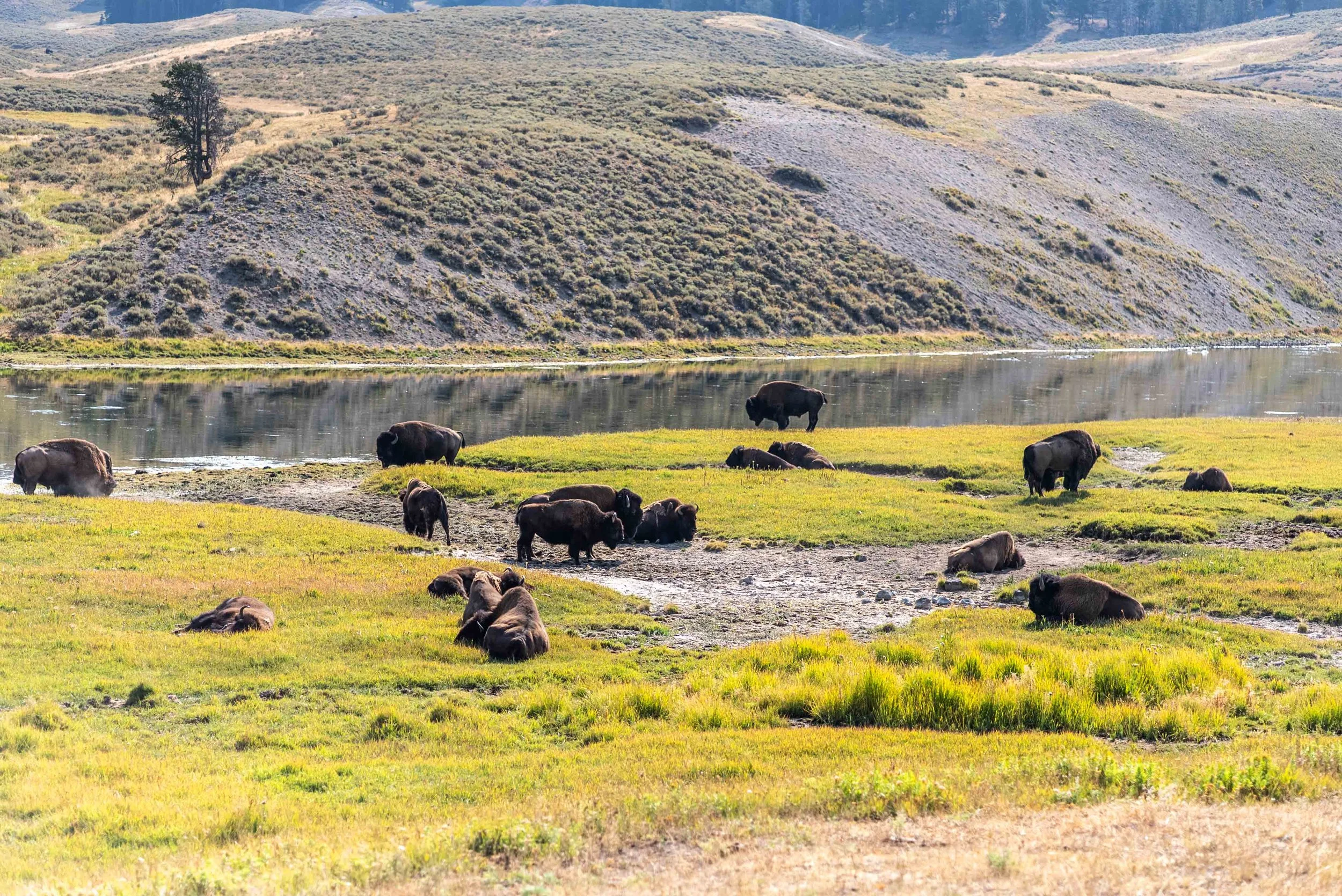
Much better bison viewing at Hayden Valley
Roadside Wildlife Encounters
One important thing to know is that wildlife sightings are not limited to specific valleys. Some of our closest encounters happened unexpectedly while driving between destinations. Traffic often stops completely when bison decide to walk or stand in the road.
Safety reminder: Always stay at least 25 yards away from bison, even when they appear calm or block traffic.
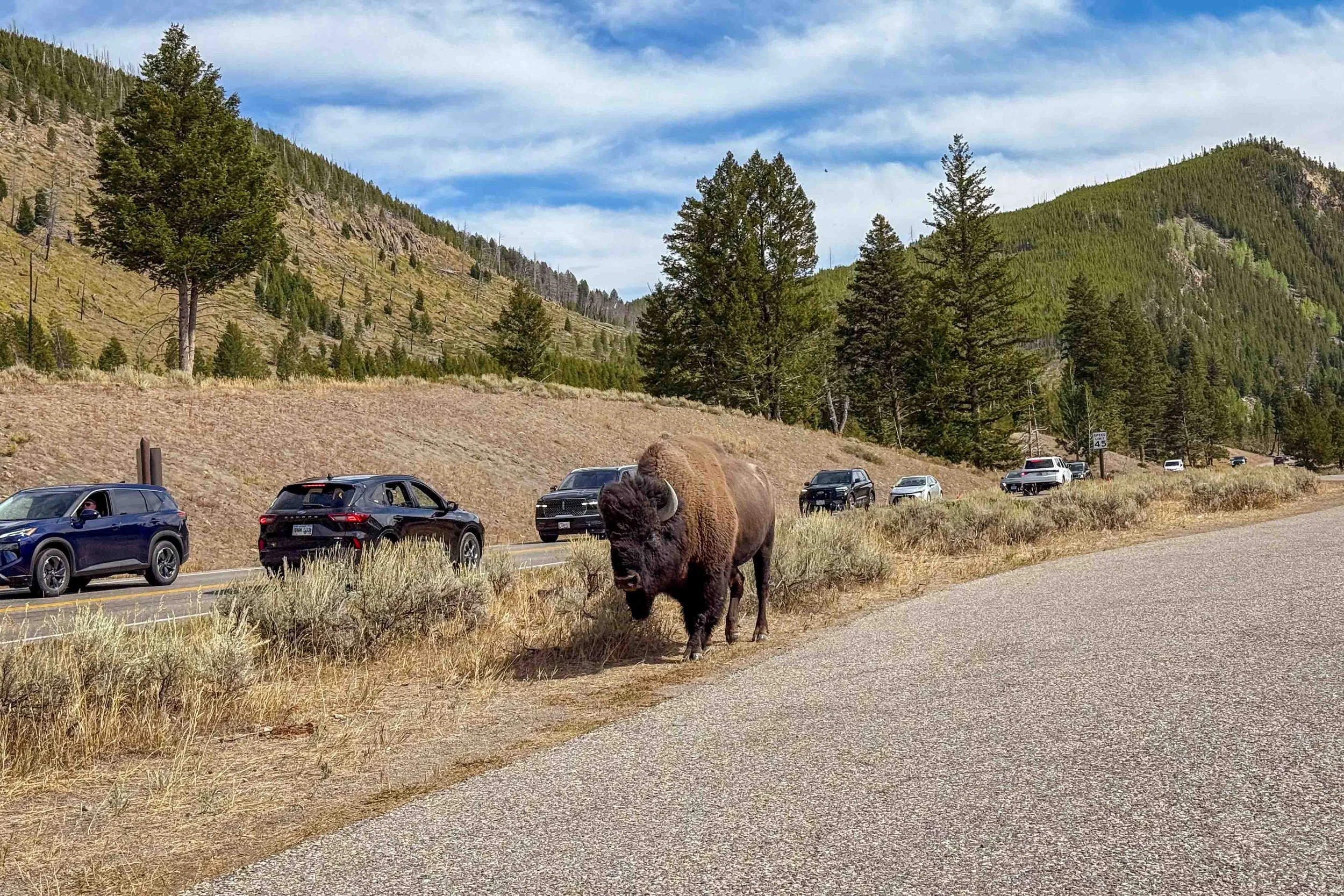
We ran into bison on the road very often
Grand Canyon of the Yellowstone
Dramatic Views Without a Strenuous Hike
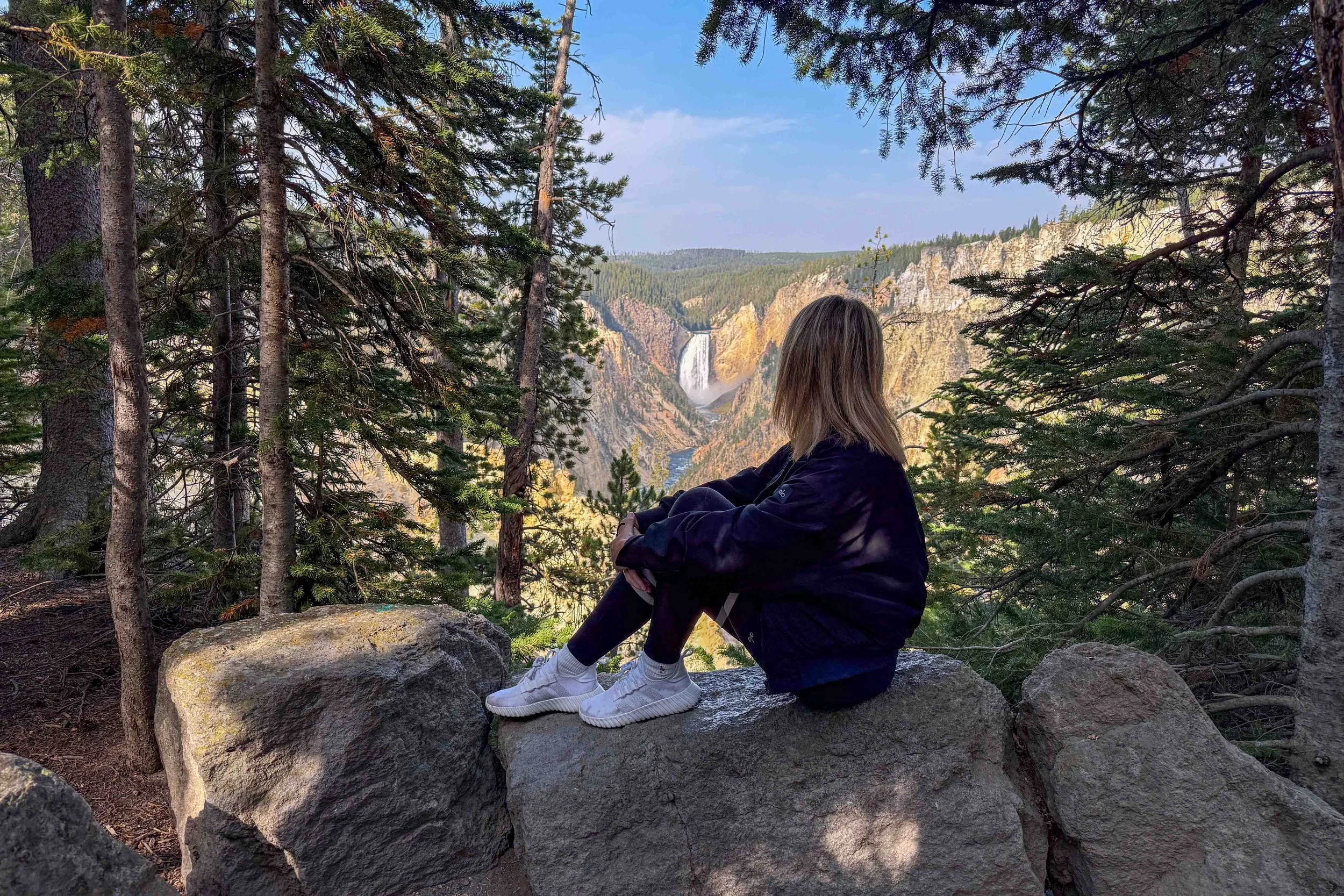
The Grand Canyon of the Yellowstone was one of the most visually striking areas we visited, and it did not require a long or difficult hike to enjoy it. The canyon is carved by the Yellowstone River and features steep cliffs, layered rock formations, and powerful waterfalls that feel dramatically different from the geyser basins elsewhere in the park.
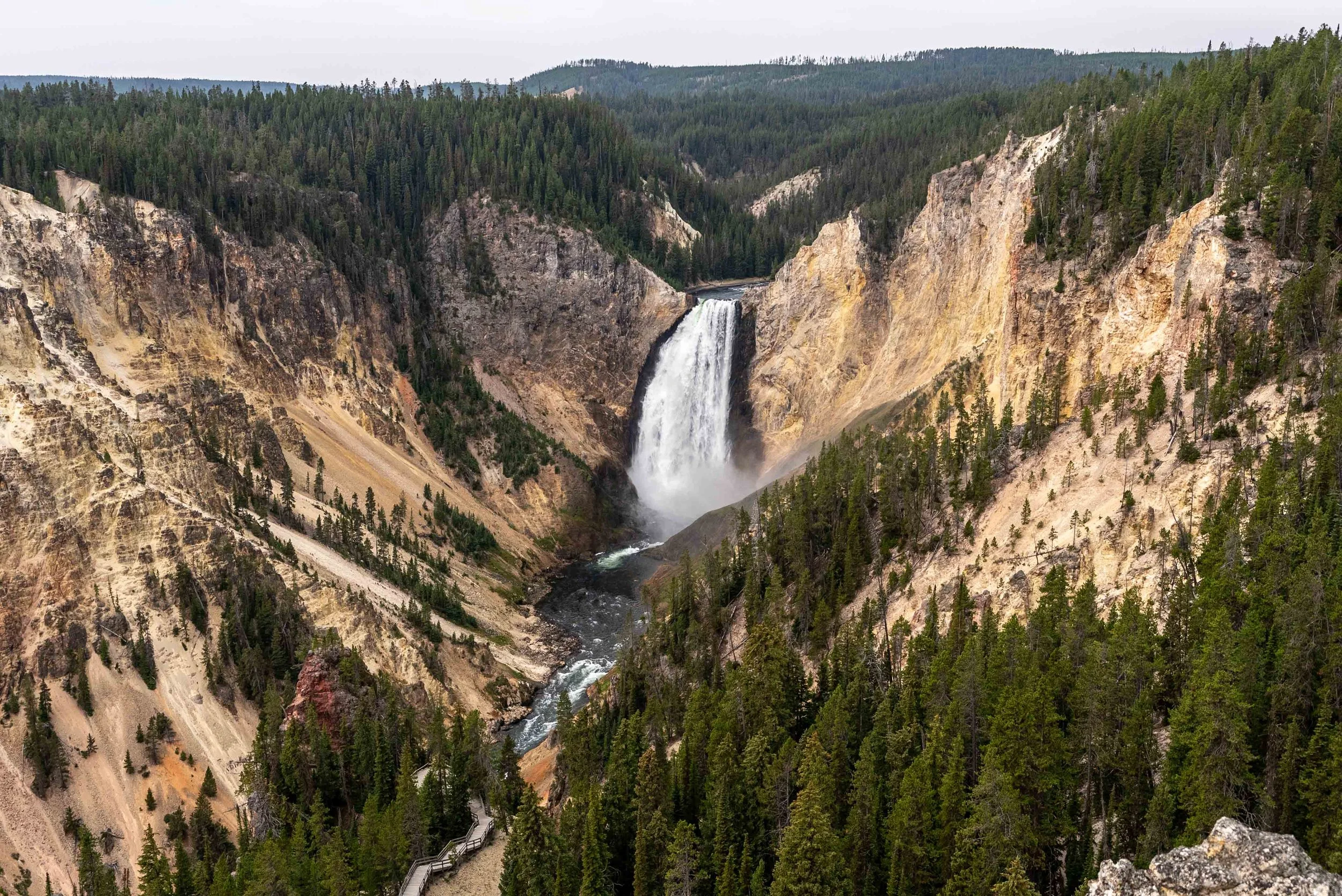
The Grand Canyon of Yellowstone
We chose to focus on viewpoints rather than committing to steep trails, and it turned out to be the right decision for us. The overlooks provide expansive views that fully capture the scale and intensity of the canyon without the physical strain or time commitment.
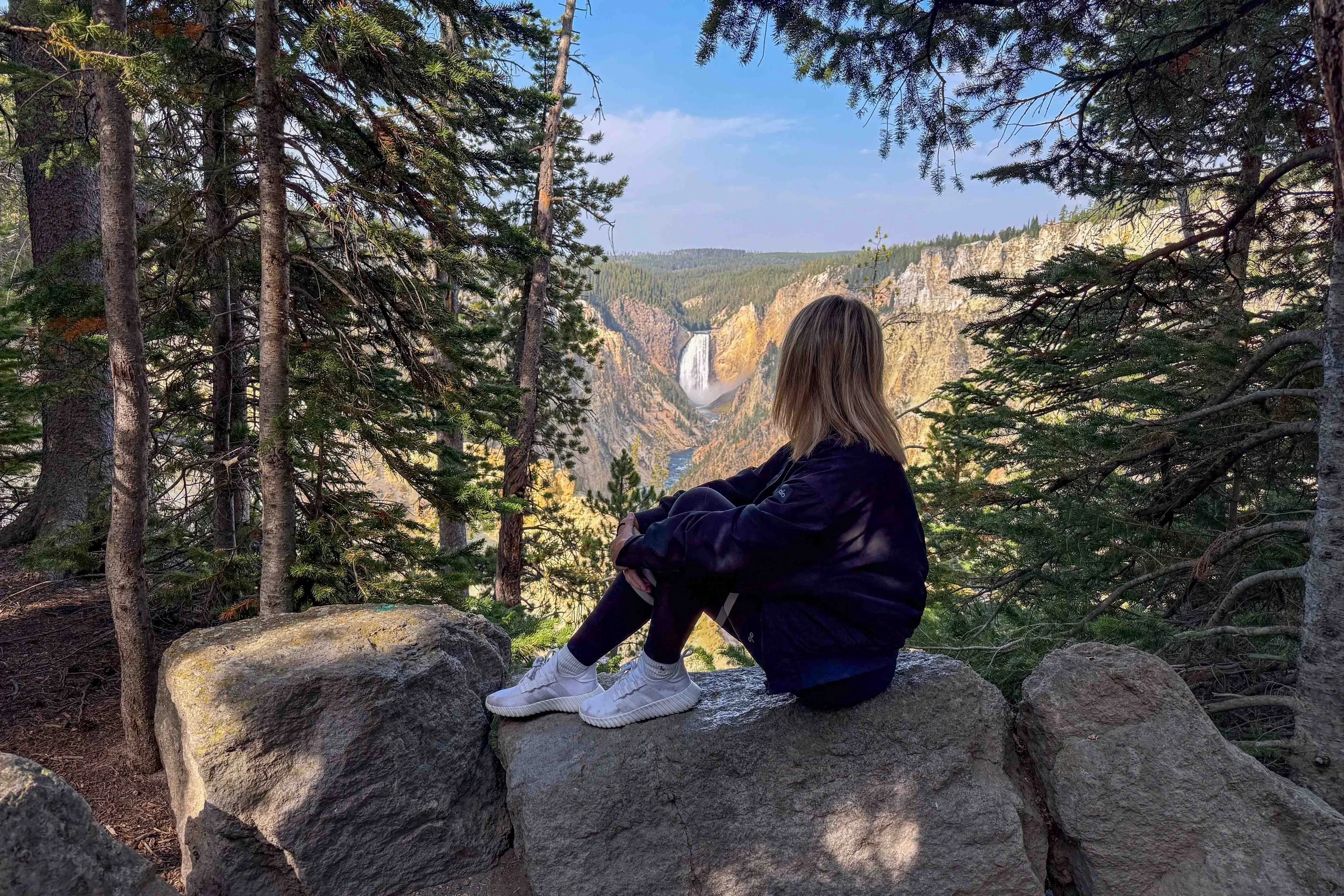
Artist Point, in particular, is a must-see. It offers one of the most iconic views in Yellowstone, with the Lower Falls plunging into the canyon below. There are multiple vantage points here, and it is worth taking time to walk around rather than snapping one quick photo and leaving.
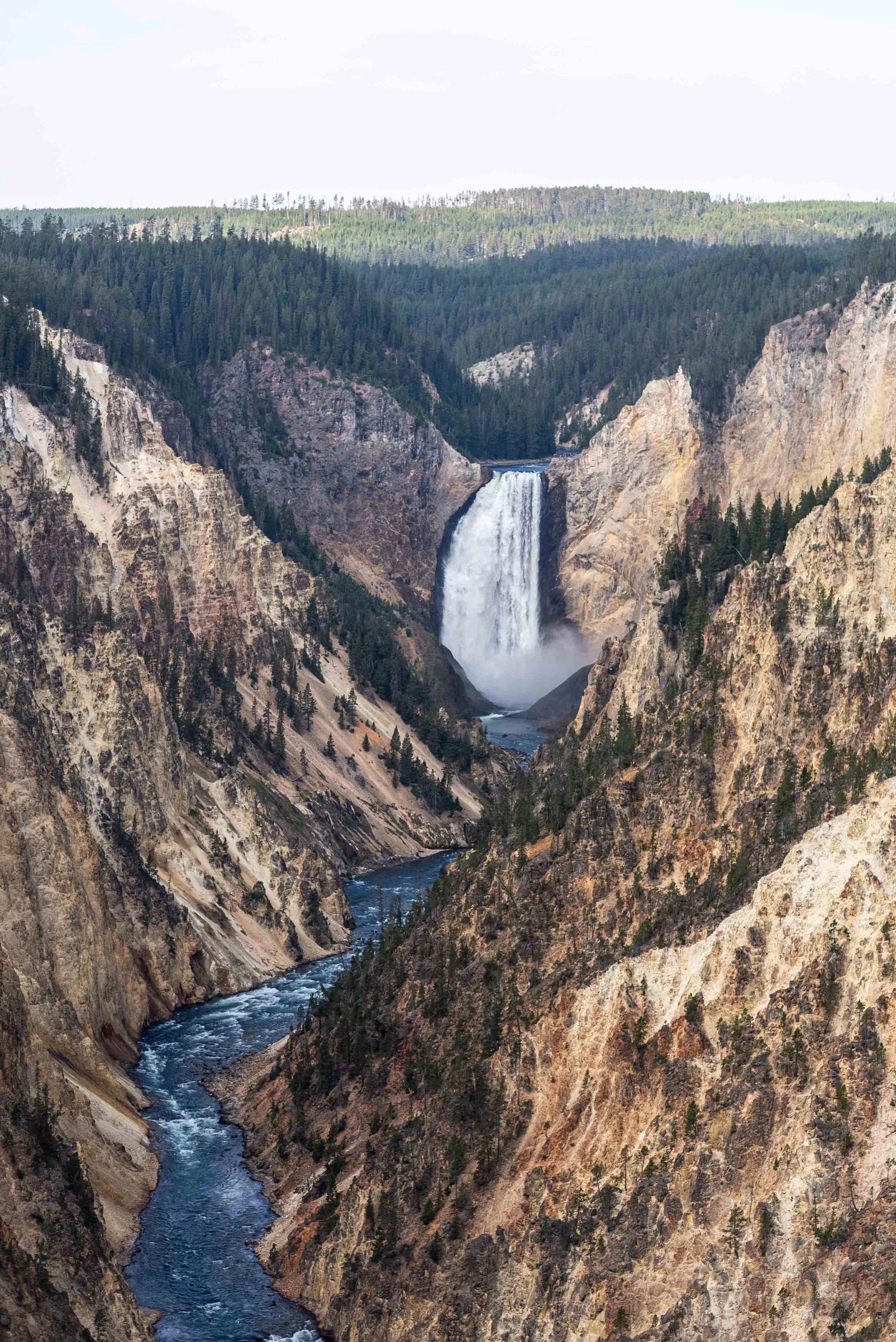
Lower Falls of the Yellowstone River
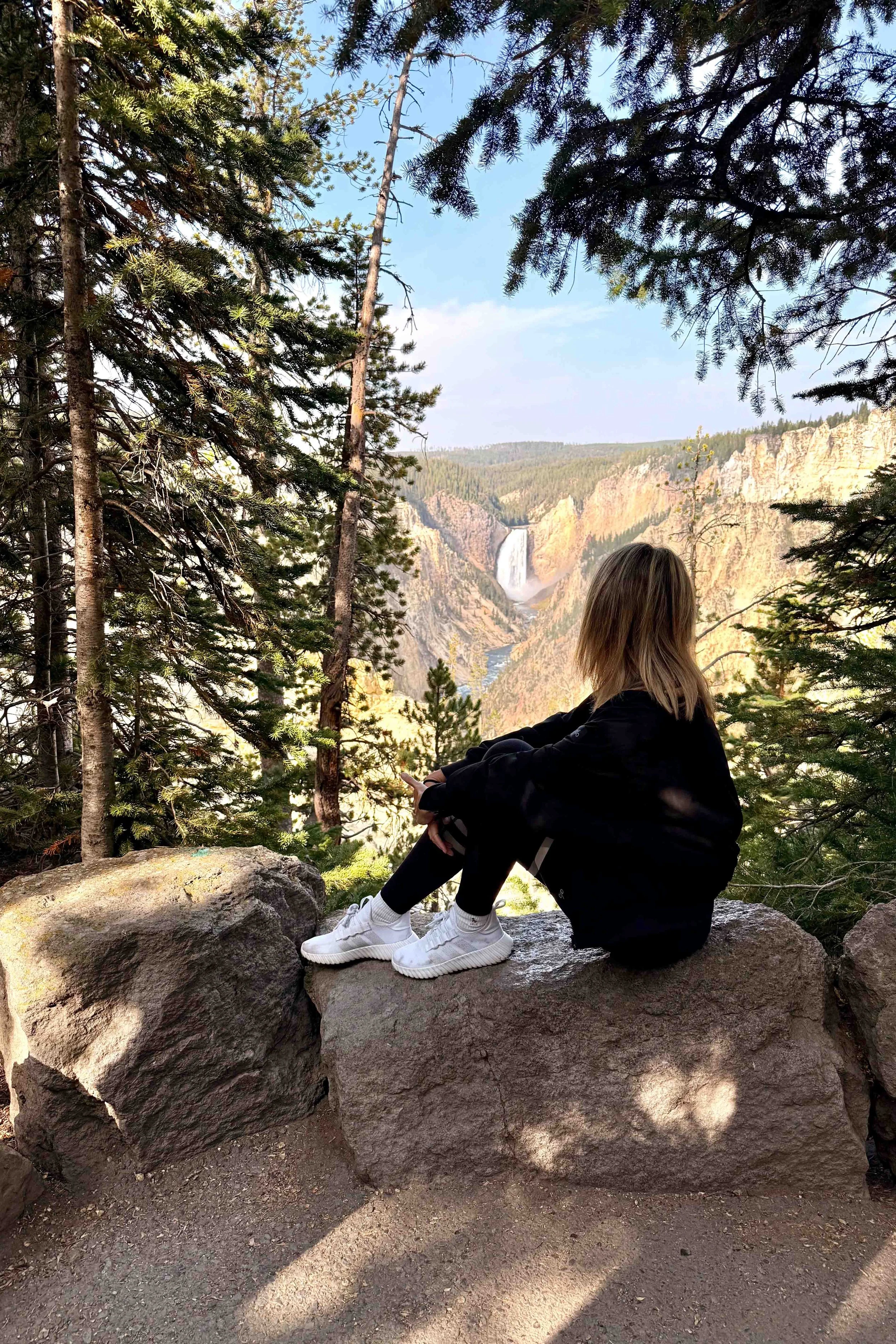
Great view of the waterfall at Artist Point
For visitors who want to do a bit more walking, short paths near the viewpoints allow you to experience the canyon from slightly different angles. If you are short on time or energy, sticking to overlooks still delivers an unforgettable experience.
Helpful tip: Parking in this area can be competitive during peak hours. Visiting earlier in the day or later in the afternoon improves your chances of finding a spot without waiting.
Where We Ate Near Yellowstone
When it came to food in Yellowstone, we kept things simple and flexible. With long driving days, early starts, and unpredictable timing due to wildlife and traffic, packing most of our meals ended up being the easiest and least stressful option.
Both mornings, we packed granola bars for breakfast so we could get on the road early without stopping. This made a big difference, especially on mornings when we wanted to reach wildlife areas or popular sights before crowds built up.
For lunch on our first day, we packed sandwiches and rice balls, which worked well since picnic tables and pullouts are scattered throughout the park. On our second day, we ate lunch at Canyon Eatery, which was a convenient option inside the park and easy to fit into our route without leaving Yellowstone.
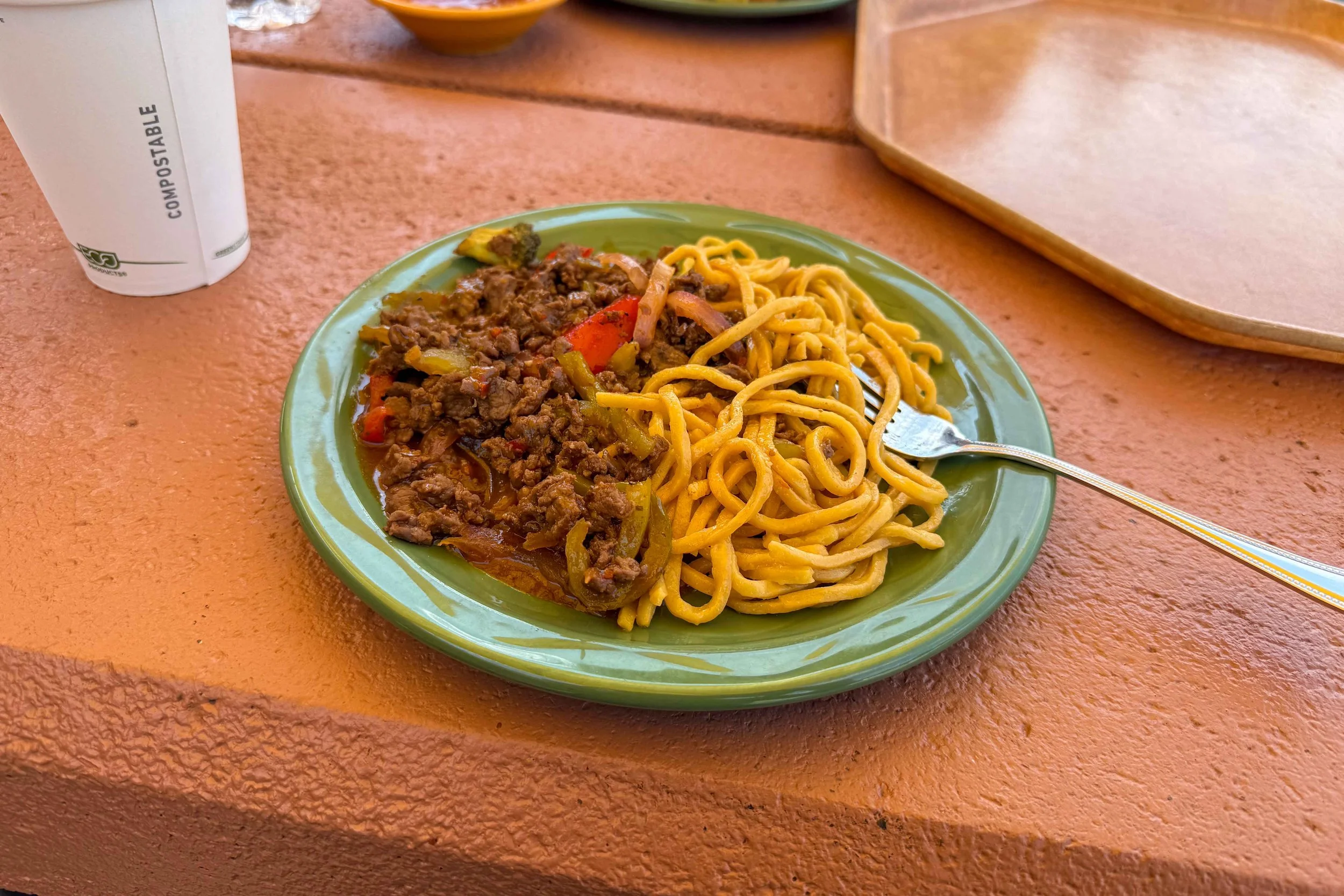
Very bland food at Canyon Eatery but at least there was food
Dinner depended on how tired we were at the end of the day. On our first night, we stopped for an early dinner at The Buffalo Bar, which was a nice way to sit down and unwind after a long day of exploring. On our second night, we opted for McDonald's. It was right next to our hotel, inexpensive, and honestly perfect after a full day in the park when we just wanted something quick and familiar.
This approach worked really well for us. Food options inside Yellowstone are limited, and lines can be long during peak hours. Packing breakfast and lunch gave us flexibility, saved time, and allowed us to focus more on exploring rather than planning meals. If you are staying in West Yellowstone, there are plenty of casual dining options available, but it is also worth considering grocery shopping so you can mix packed meals with the occasional restaurant stop.
Overall, keeping meals simple made our Yellowstone experience smoother and less rushed, especially during late August when crowds were still present and days were full.
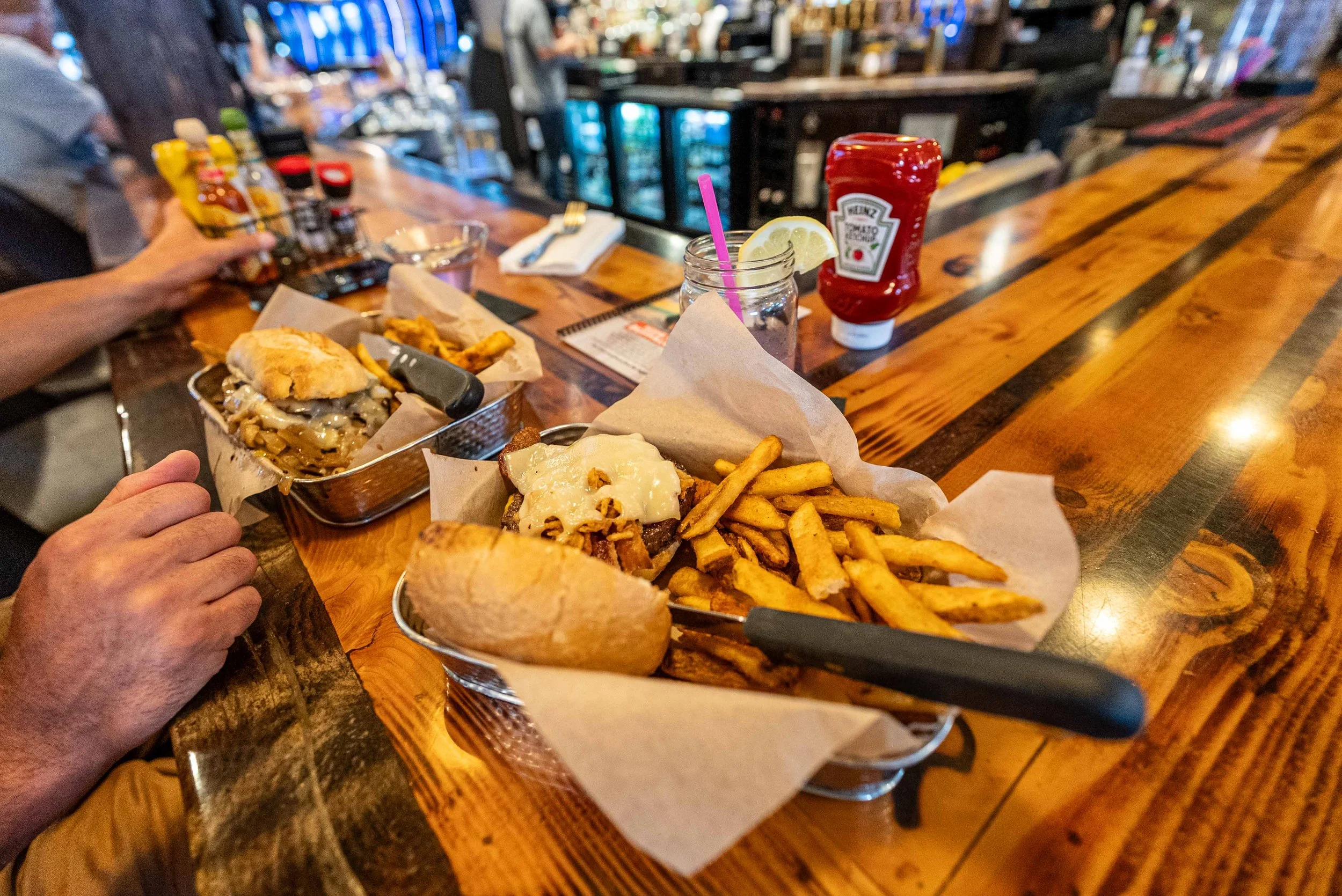
Highly recommend The Buffalo Bar
If You Only Have 2 Days in Yellowstone National Park
Yellowstone’s biggest surprise for most visitors is how long it takes to get anywhere. Wildlife traffic, road construction, and sheer distance mean drive times are often longer than Google Maps suggests.
Day 1: Upper Geyser Basin and Central Yellowstone
Early start from West Yellowstone or inside the park
Old Faithful
Walk the Upper Geyser Basin beyond Old Faithful
Morning Glory Pool
Black Sand Basin
Drive toward Grand Prismatic Spring
Grand Prismatic Spring boardwalk
Fountain Paint Pots
Estimated total drive time: 3 to 4 hours
Reality check: Parking around Grand Prismatic can add extra walking and waiting time. Build buffer time here.
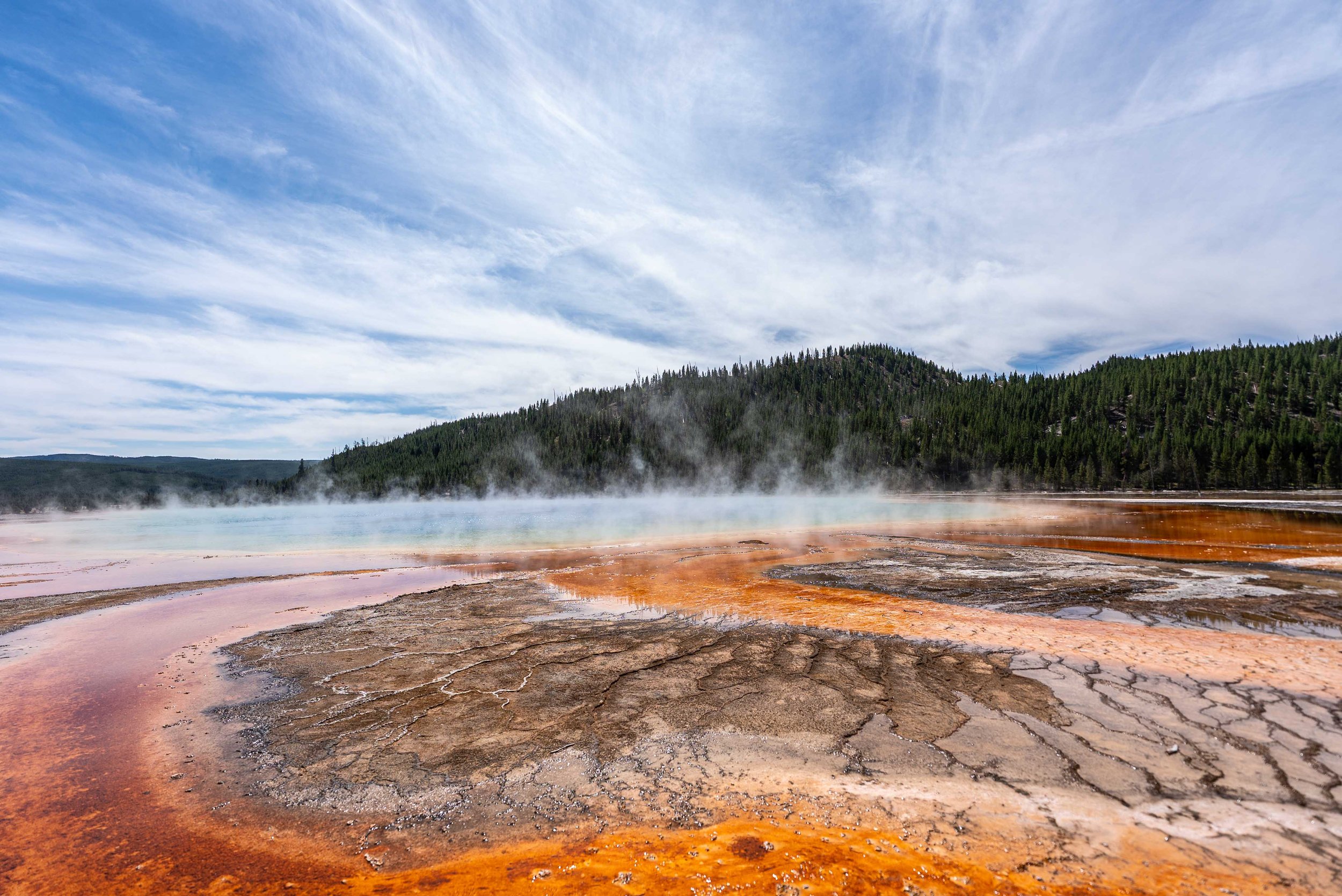
Grand Prismatic Spring
Day 2: Wildlife and Canyon Views
Early morning wildlife viewing in Hayden Valley
Drive to the Grand Canyon of the Yellowstone
Artist Point
Additional canyon viewpoints if time allows
Mud Volcano Trail
Optional West Thumb Geyser Basin if energy and daylight allow
Estimated total drive time: 4 to 5 hours
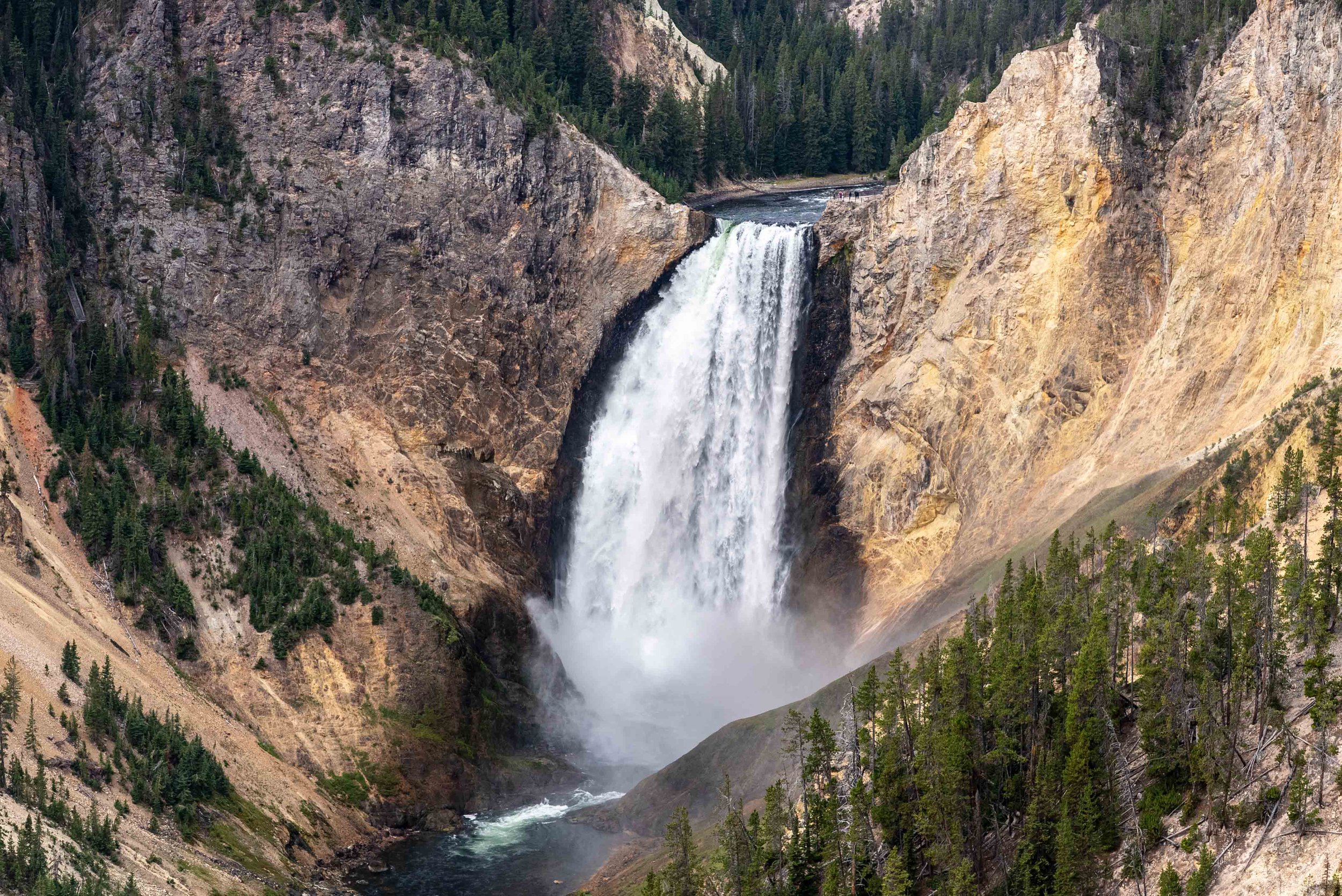
Grand Canyon of Yellowstone
If You Have 4 Days in Yellowstone
Much more relaxed and allows Yellowstone to unfold naturally.
Day 1: Upper Geyser Basin Focus
Old Faithful
Extended walk through Upper Geyser Basin
Morning Glory Pool
Black Sand Basin
Optional Rainbow Pool
Short scenic stops along the return drive
Estimated total drive time: 2 to 3 hours
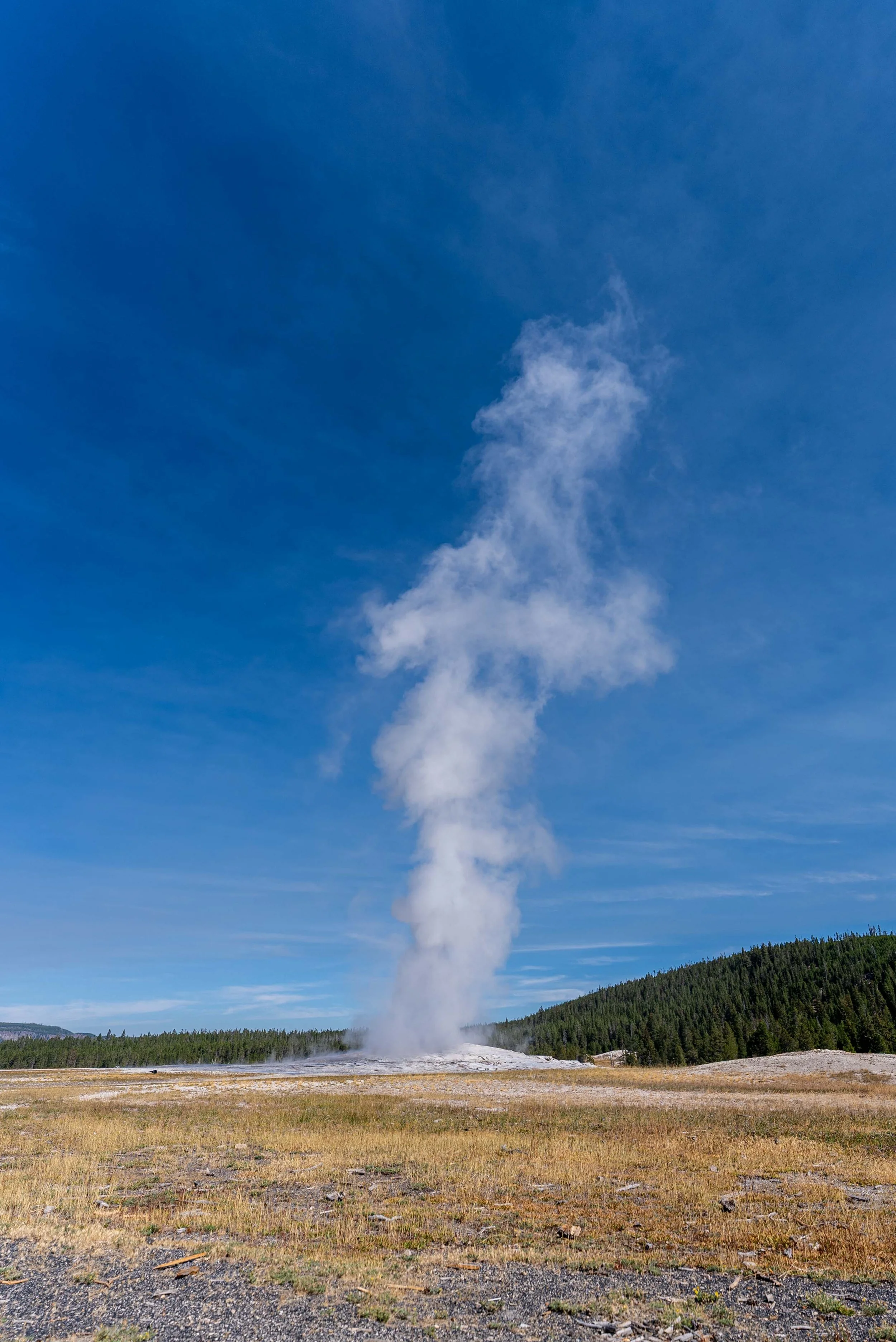
Old Faithful
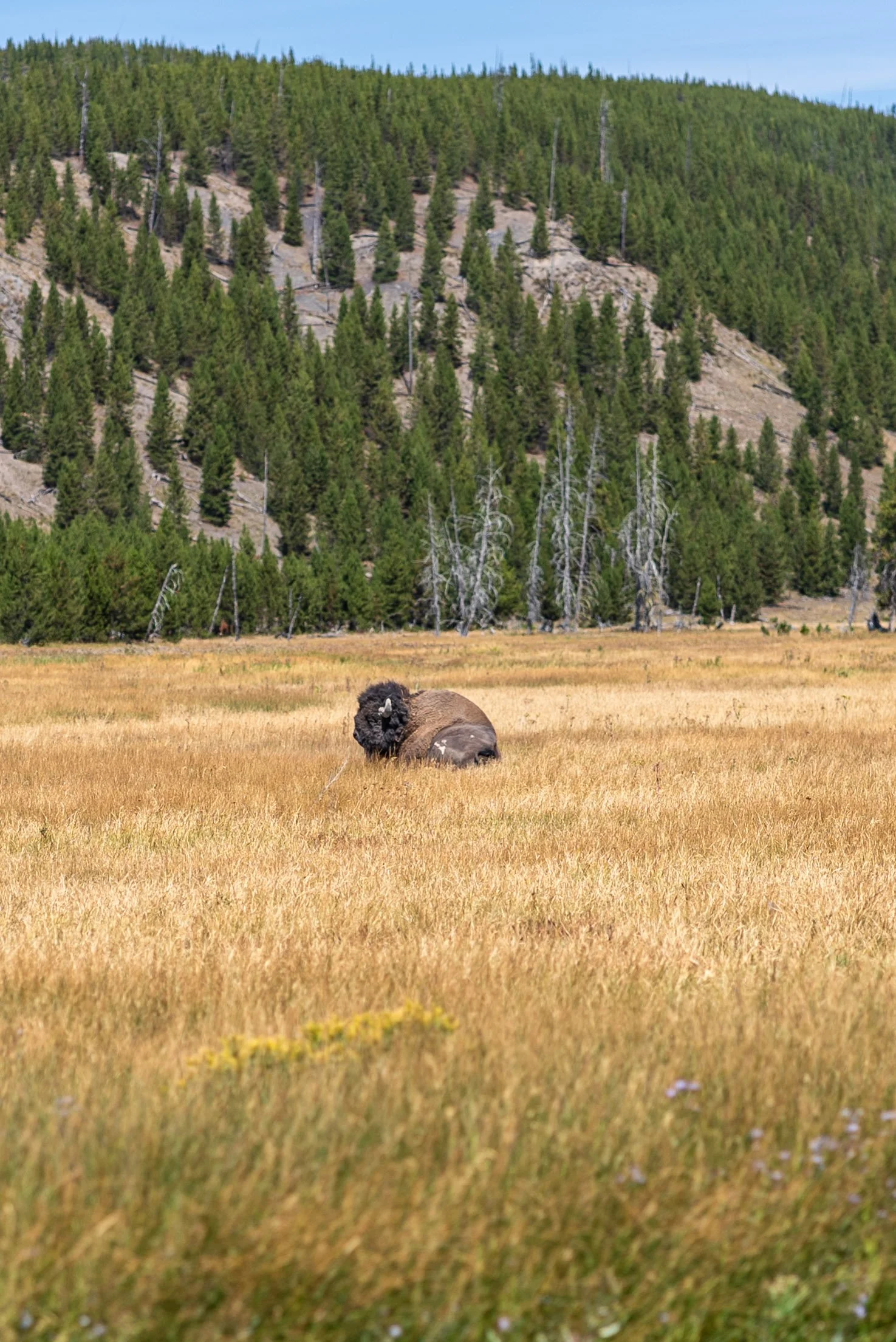
Our first bison spotting after the Old Faithful visit
Day 2: Grand Prismatic and Waterfall Trails
Grand Prismatic Spring
Fairy Falls Trail and overlook if parking allows
Fountain Paint Pots
Hayden Valley wildlife viewing in late afternoon
Estimated total drive time: 3 to 4 hours
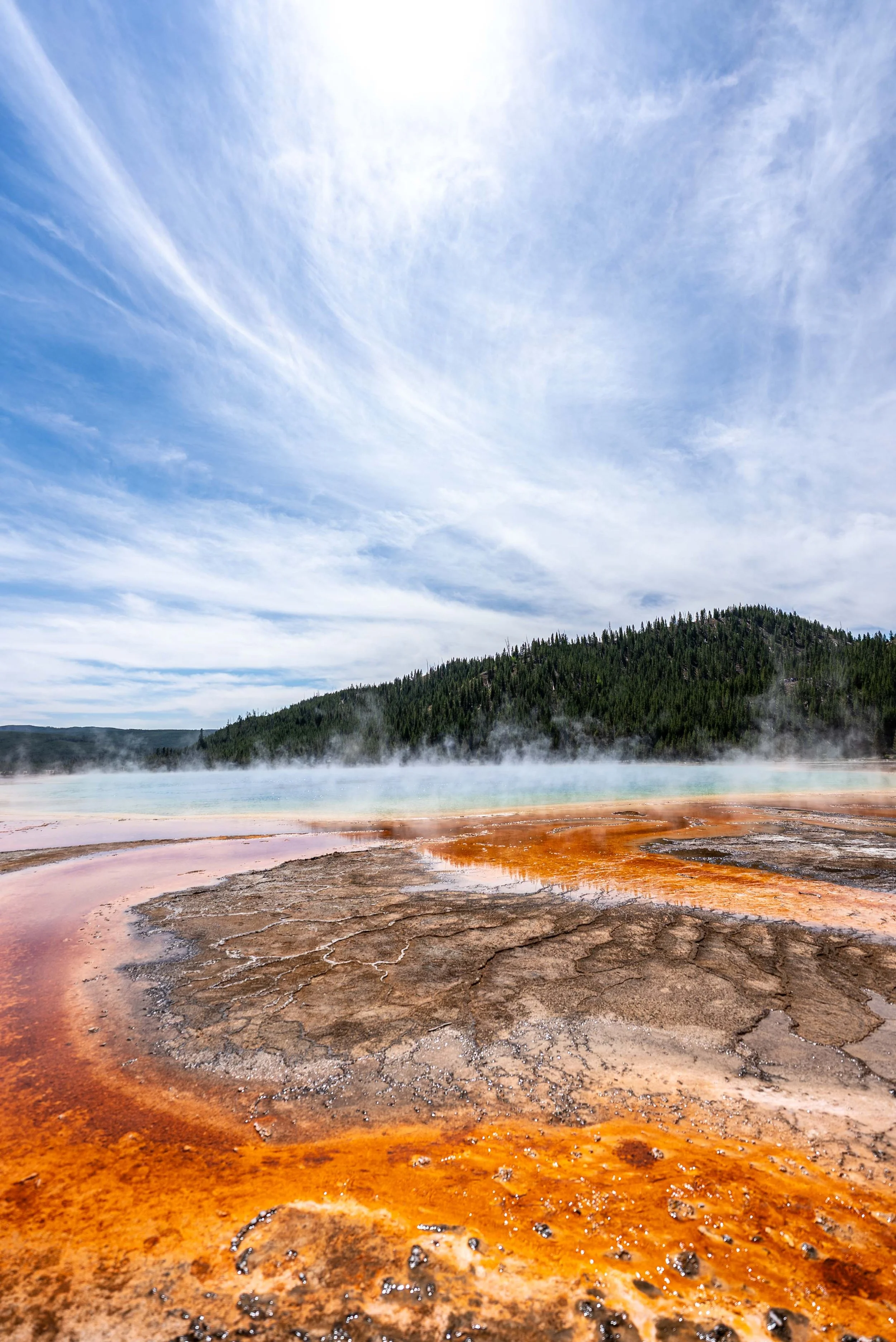
Grand Prismatic Spring is a must-see
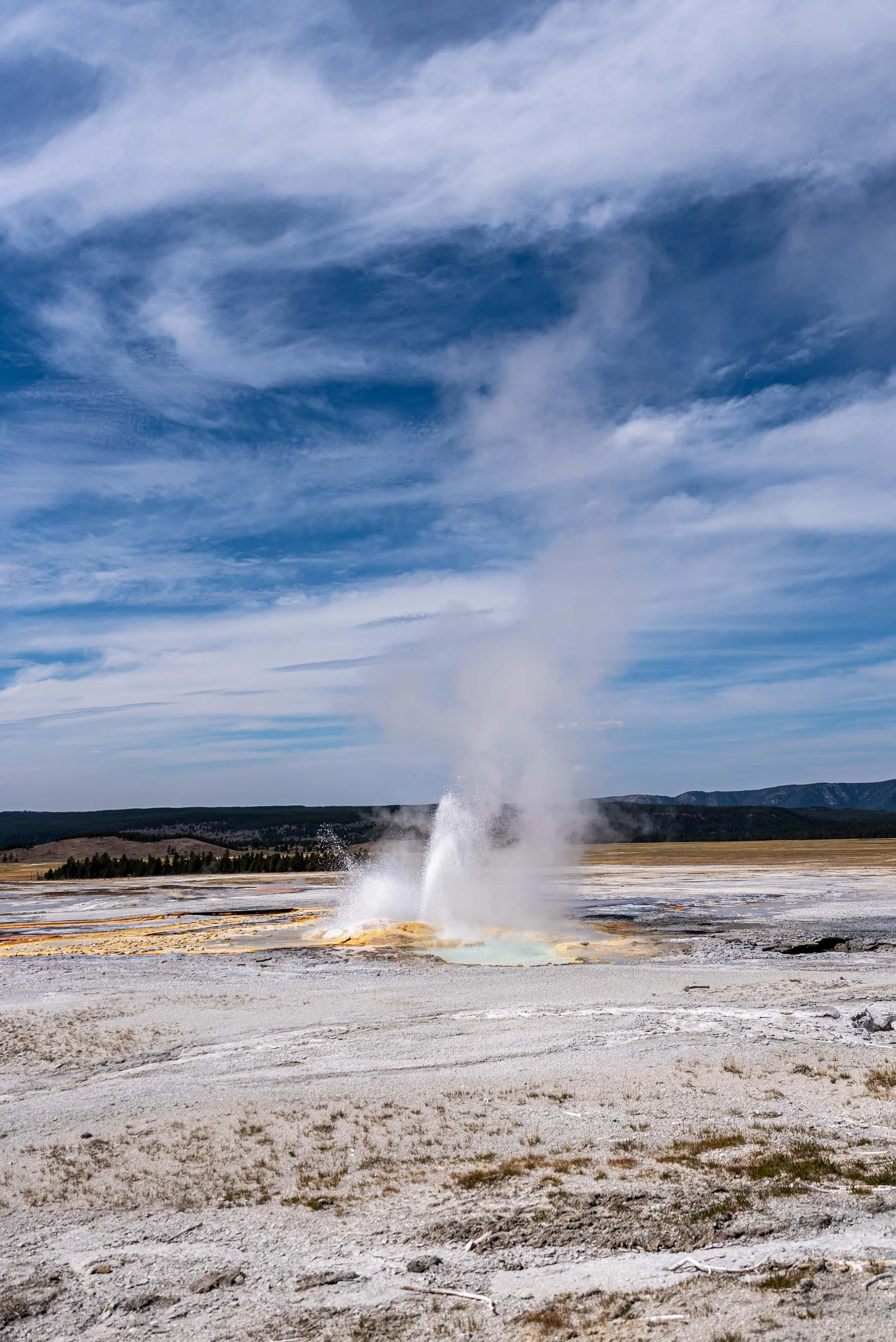
Spasm Geyser at Fountain Paint Pot
Day 3: Northern Yellowstone
Early morning drive to Lamar Valley for wildlife
Mammoth Hot Springs
Point Sublime overlooks if road access and conditions allow
Scenic drive back with wildlife pullouts
Estimated total drive time: 4 to 5 hours
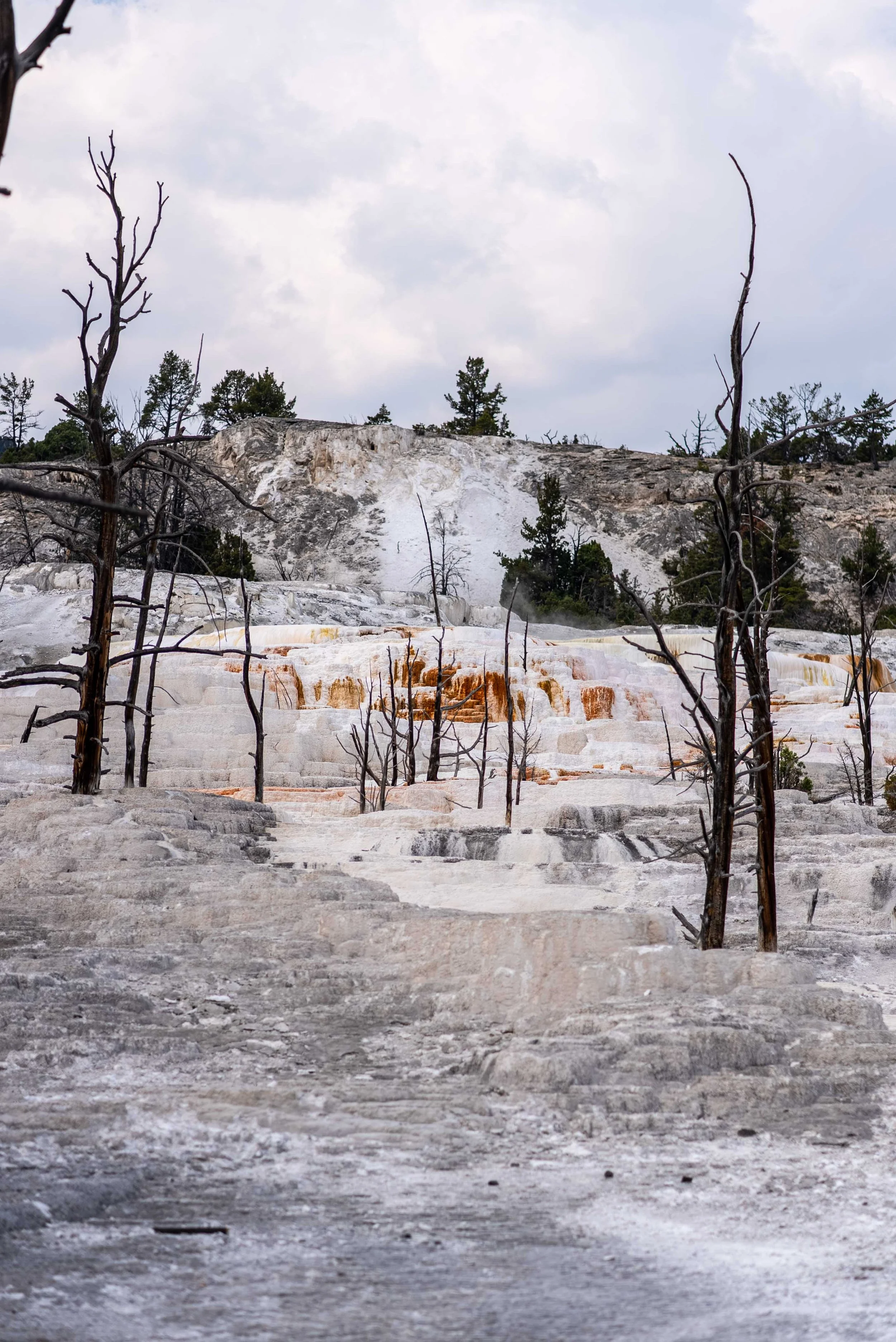
Mammoth Hot Springs
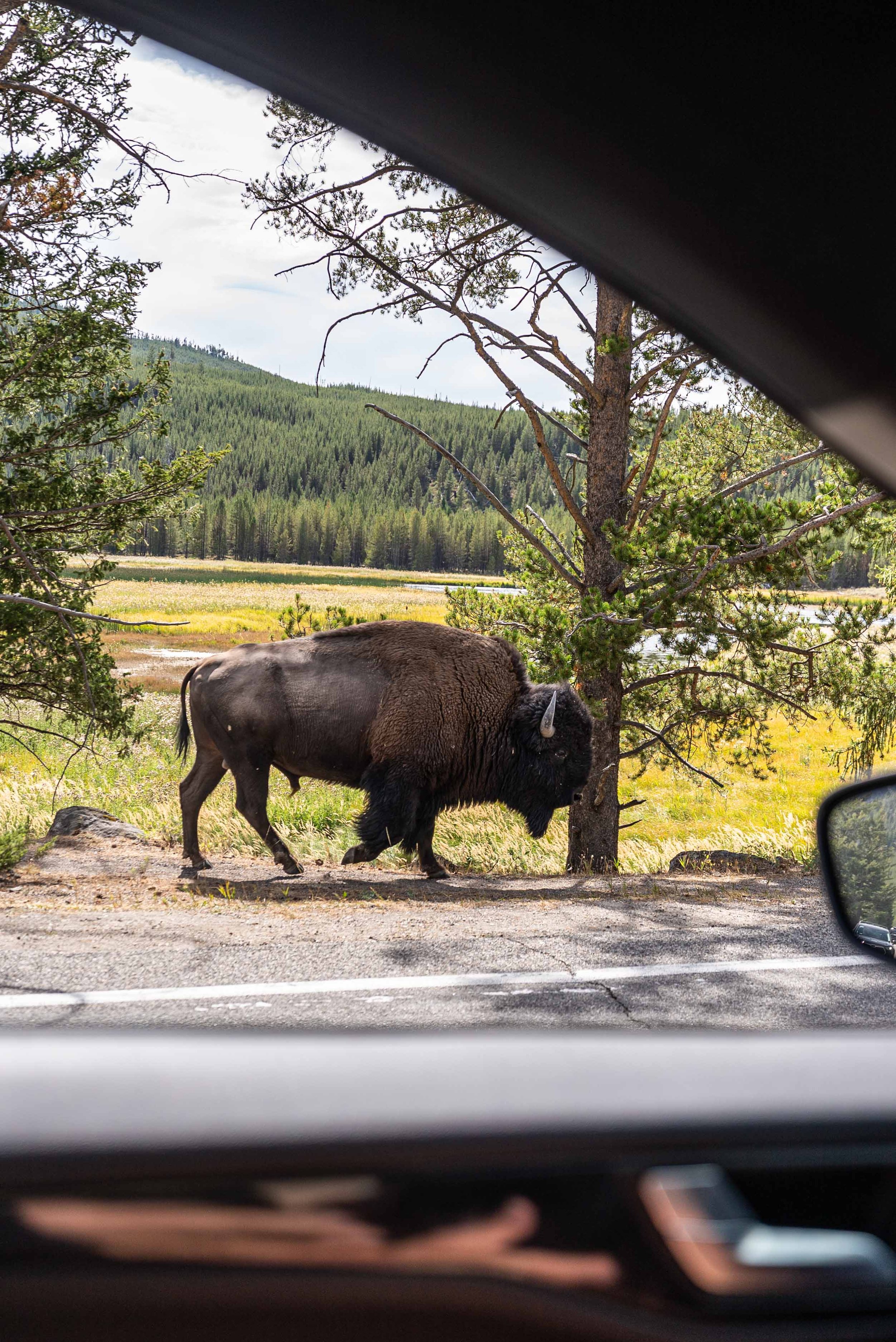
Loved how close we could drive next to the bison
Day 4: Canyon and Lake Areas
Grand Canyon of the Yellowstone
Artist Point and additional viewpoints
Yellowstone Lake scenic pullouts
West Thumb Geyser Basin
Flexible stops based on weather and energy
Estimated total drive time: 3 to 4 hours
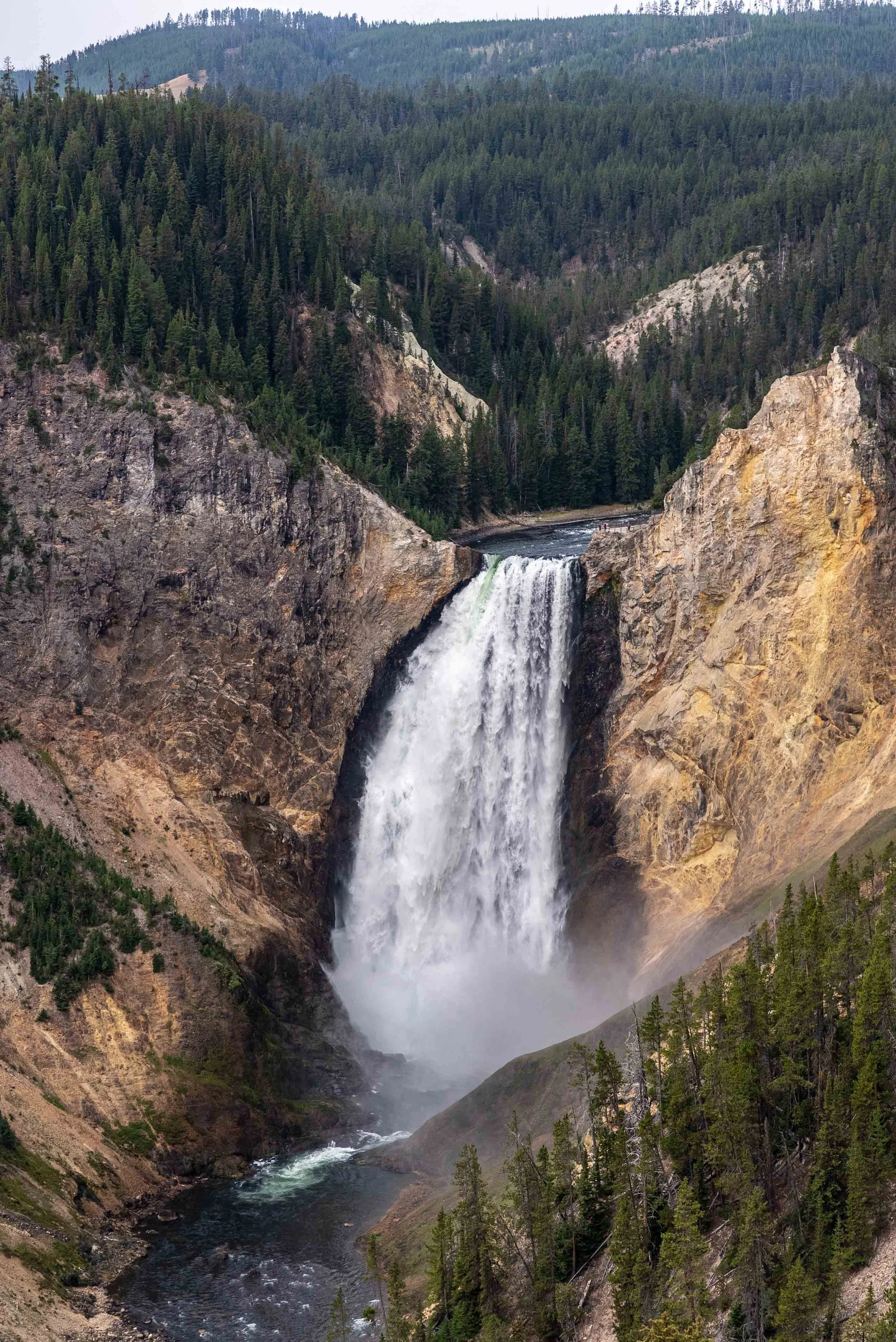
Grand Canyon of Yellowstone
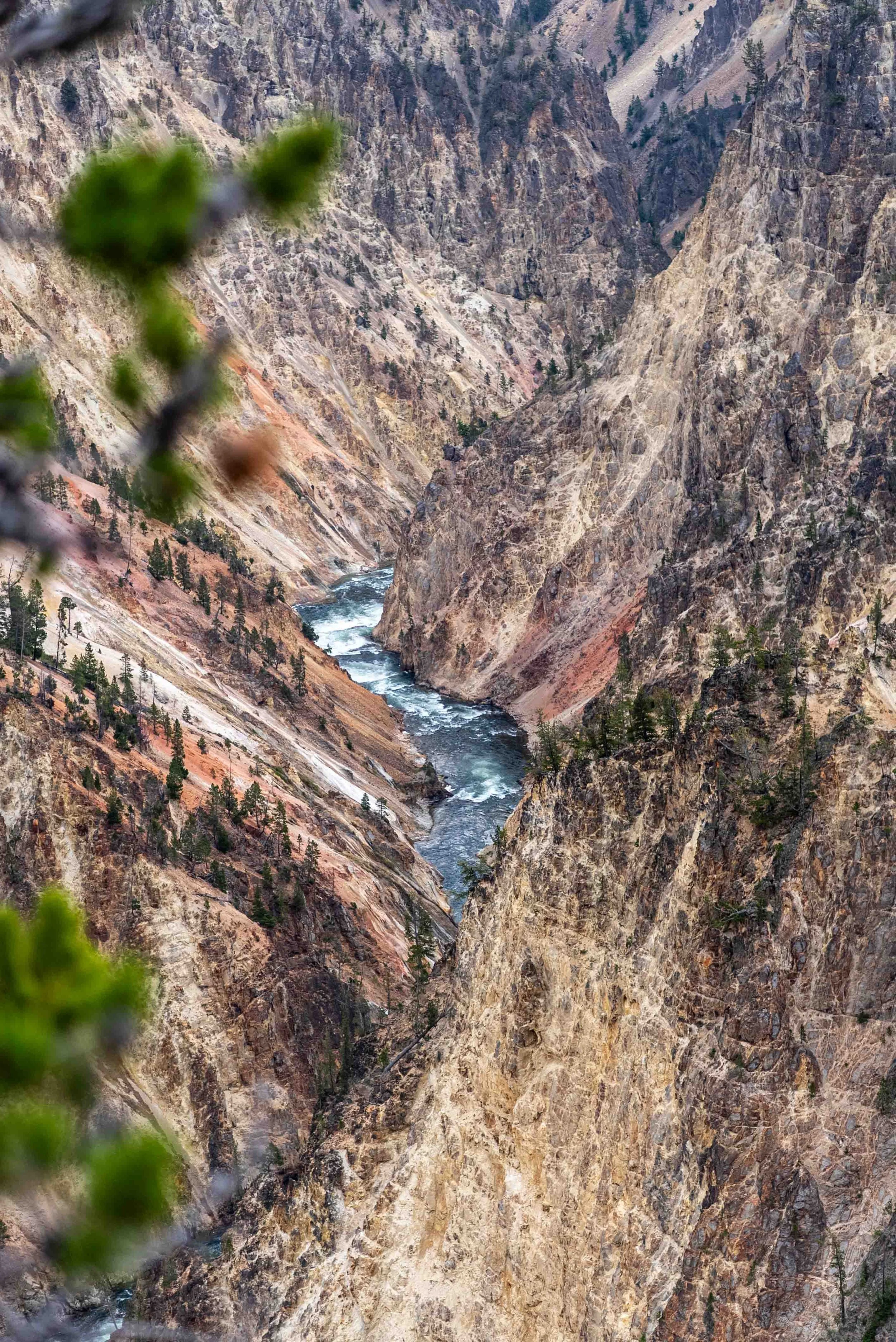
Yellowstone River
What to Pack for Yellowstone
Clothing
Layers for changing temperatures
Comfortable walking shoes
Hat and sunglasses
Essentials
Snacks or packed lunch
Offline maps downloaded
Nice to Have
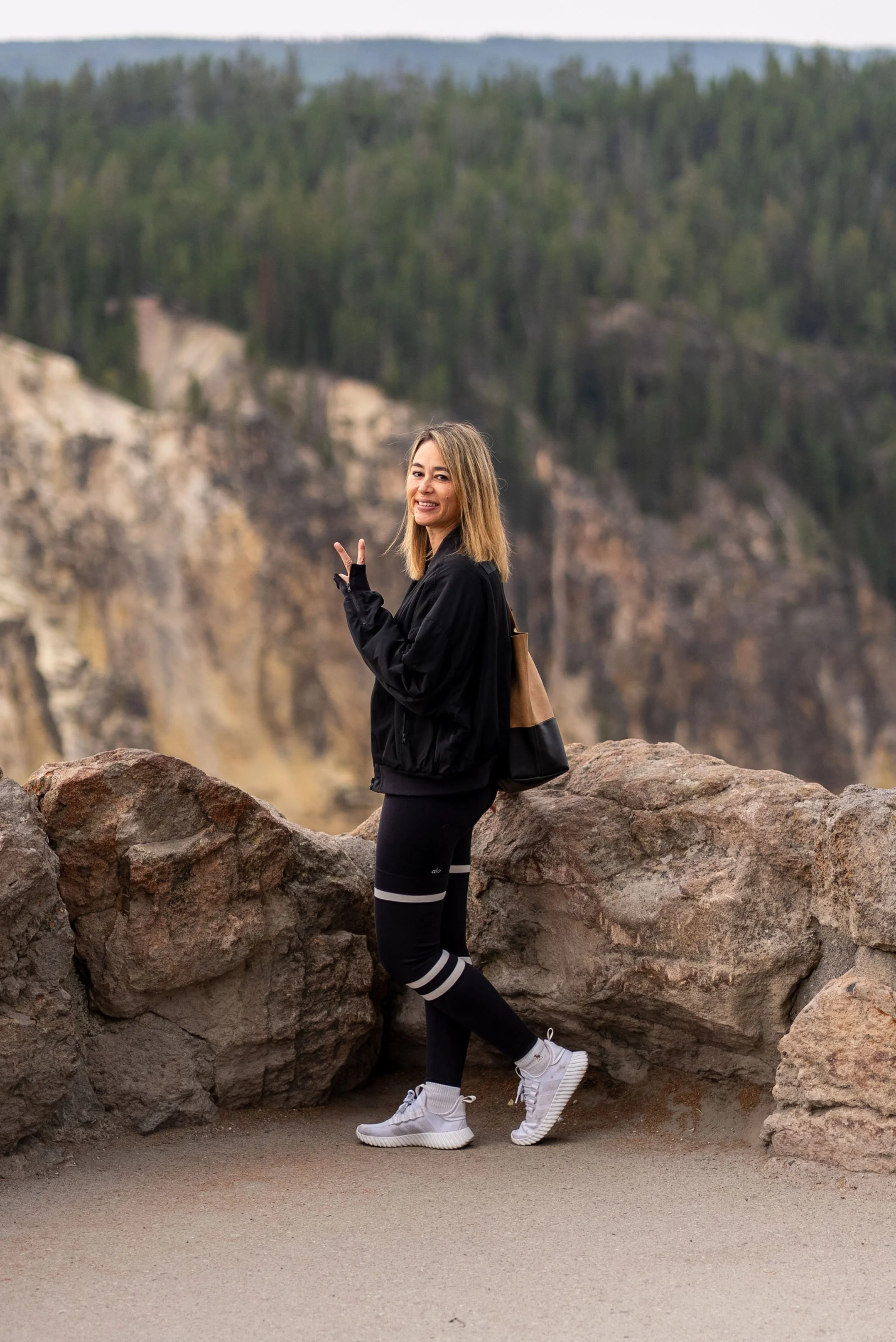
The mornings were cool so I dressed warmer with a jacket and leggings
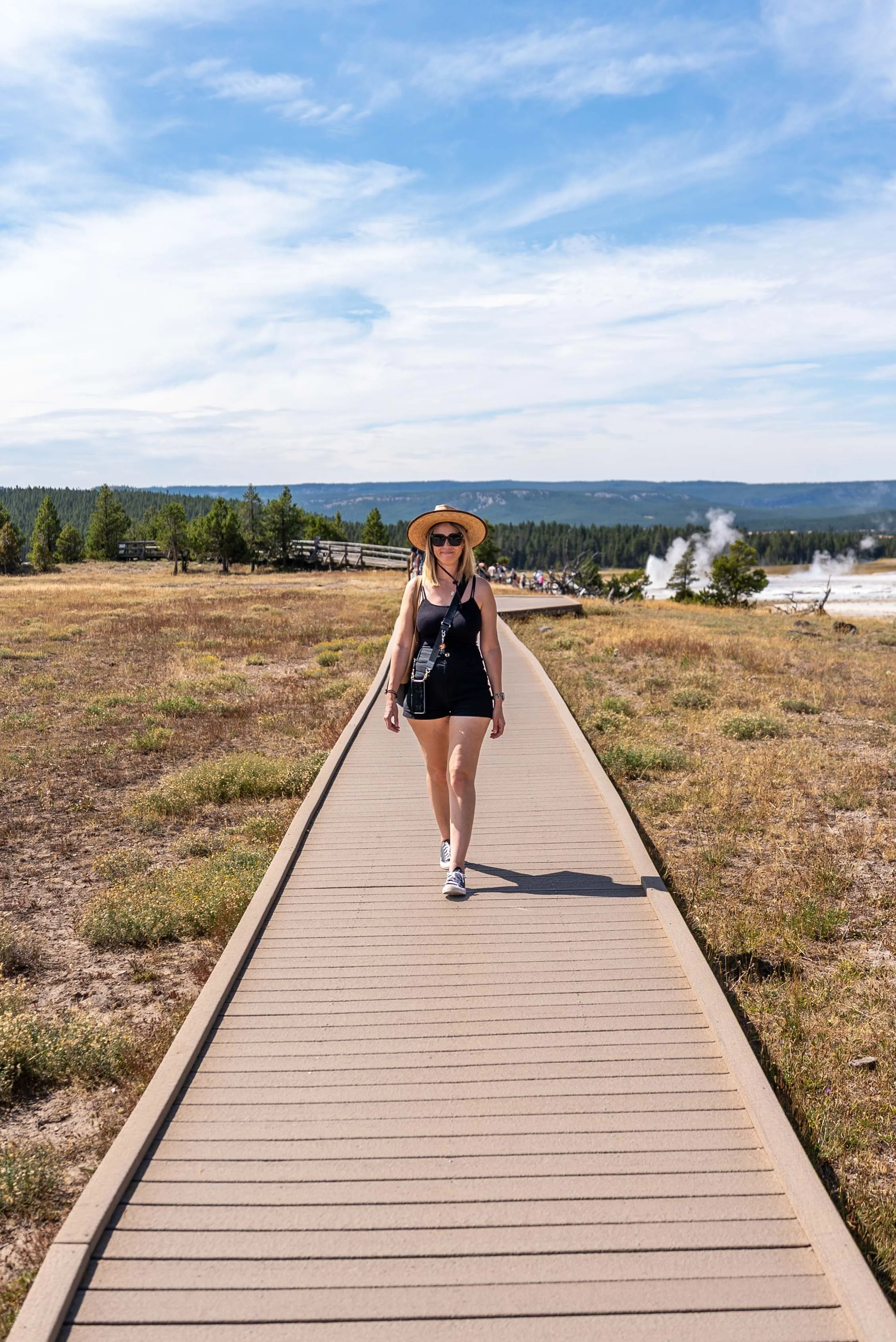
Afternoons were much warmer and I was wearing a tank top and shorts
Final Thoughts
Yellowstone is not a park you rush through. It is unpredictable, sometimes chaotic, and absolutely unforgettable. Visiting in late August required patience and early mornings, but it also delivered wildlife encounters and landscapes unlike anywhere else.
If you are planning your first trip, go in with a plan, but be ready to adjust. Some of the best moments happen when Yellowstone decides to take over.
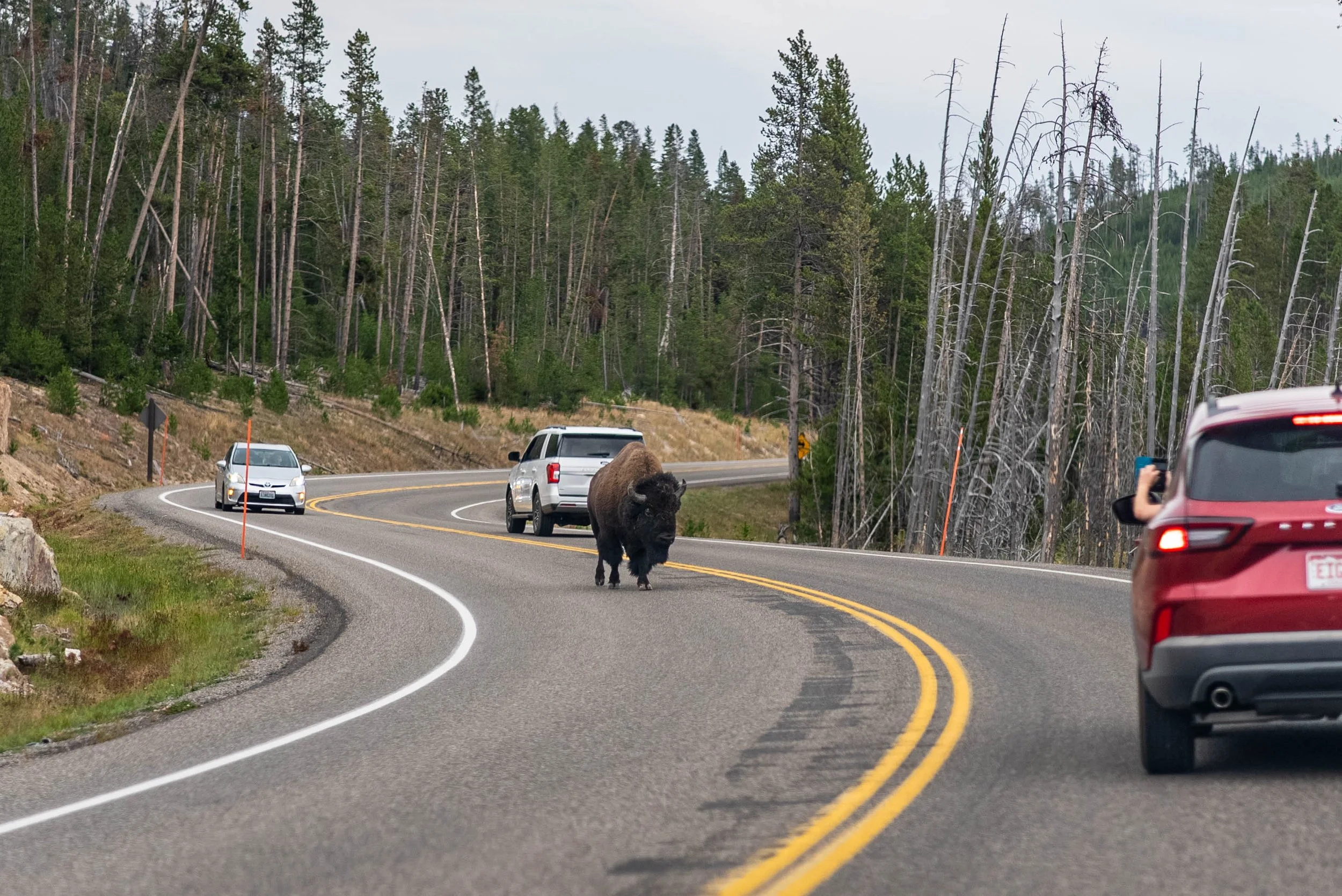
Another bison walking in the middle of the road
Recommended Tours for Yellowstone National Park
If you want a guided experience or prefer not to drive long distances inside the park, tours can be a great option. They are especially helpful for wildlife-focused visits, tight schedules, or first-time trips.
Yellowstone National Park Full-Day Tour from West Yellowstone
This full-day tour is a solid option if you want to see Yellowstone’s major highlights without dealing with parking, navigation, or long drive times. It typically includes geysers, scenic viewpoints, and wildlife areas, all from a convenient West Yellowstone departure point.
Best for: First-time visitors who want an efficient overview
Good to know: Expect a full, busy day covering multiple regions of the park
Lamar Valley Wildlife Tour from West Yellowstone
This tour departs from West Yellowstone and focuses on Lamar Valley, one of the best areas in the park for wildlife viewing. Traveling by van with a knowledgeable guide can improve your chances of spotting animals that are often difficult to see on your own, especially at a distance.
Best for: Wildlife-focused travelers staying in West Yellowstone
Good to know: Binoculars are typically provided, which is helpful since animals can be far away
Private Yellowstone Safari and Scenic Tour with Lunch
This private guided safari-style tour offers a more personalized experience with a strong focus on wildlife and scenic stops. The flexible pace and dedicated guide can be especially appealing if wildlife viewing is a top priority.
Best for: Travelers wanting a private, customized experience
Good to know: This is a private tour with a flexible itinerary and a focus on wildlife viewing rather than fixed sightseeing stops
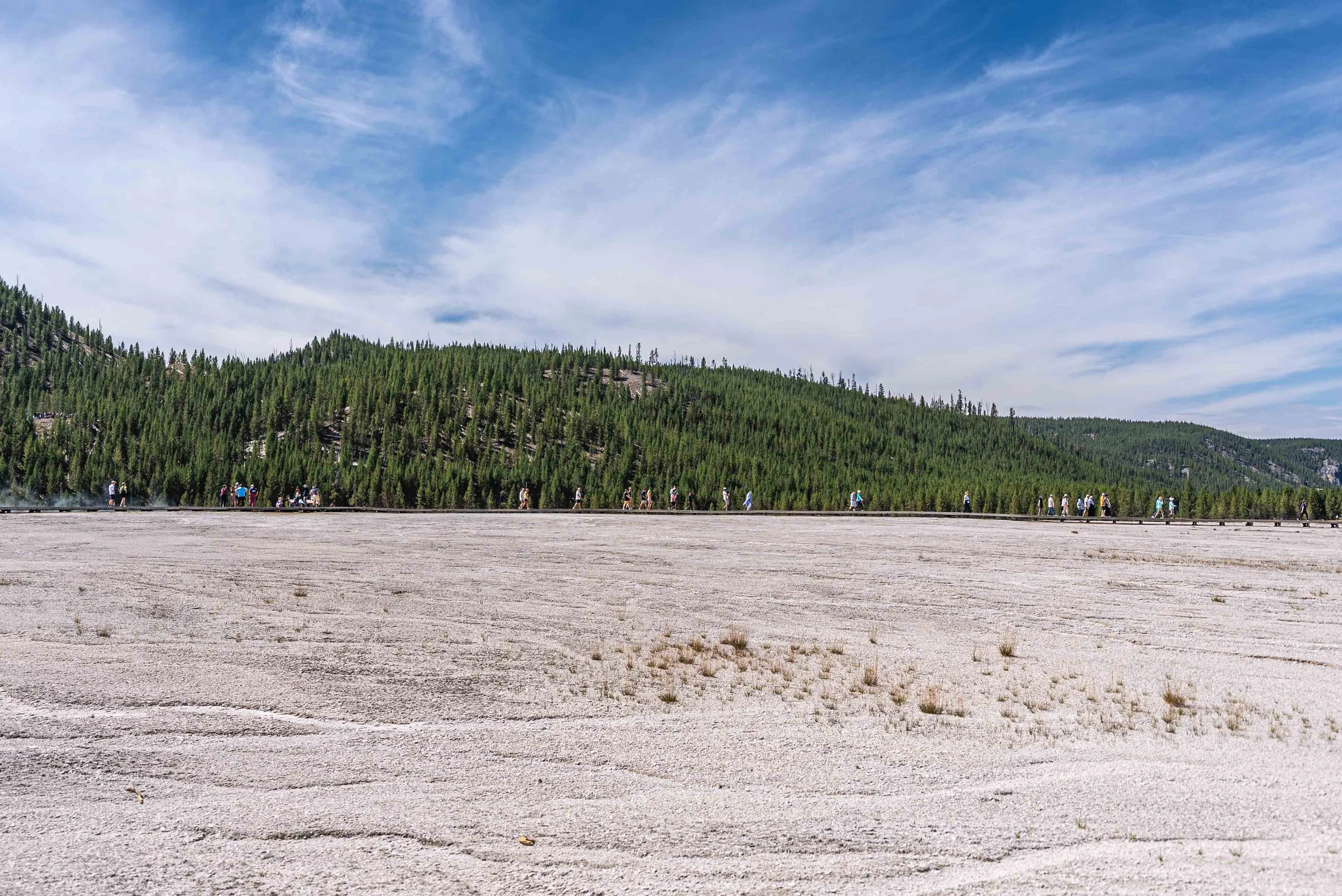
Grand Prismatic boardwalk from afar
Frequently Asked Questions About Yellowstone
-
Two full days is the minimum to see major highlights, but four days allows for a far more relaxed and enjoyable experience. Yellowstone is much larger than most people expect, and driving alone takes significant time.
-
Yes, crowds are still present in late August, especially between mid-morning and early afternoon. Starting early in the morning makes a noticeable difference and often allows you to enjoy popular areas with fewer people.
-
They are not required, but they greatly enhance the experience, especially in Lamar Valley where wildlife is often far away.
-
Layers are key. Mornings can be cold, while afternoons warm up quickly, especially in exposed geothermal areas. Comfortable walking shoes are essential, along with a light jacket, hat, sunglasses, and sunscreen.
-
Wildlife sightings are unpredictable and require patience. In areas like Lamar Valley, animals are often far away unless you have binoculars or a telephoto lens. We had better up-close bison sightings in Hayden Valley, including large herds and calves. Some of the closest encounters happened unexpectedly along park roads when bison walked directly through traffic.
-
Many of Yellowstone’s most famous sights are accessible via boardwalks and short walks. You can see a lot without doing strenuous hikes, making the park approachable for most fitness levels.
-
Staying inside the park saves drive time but often books far in advance and really expensive. We stayed in West Yellowstone, which worked well for early starts and access to central geyser areas, though it does require driving into the park each day.


















Planning a trip to Glacier National Park? From reservations and parking to weather, wildlife, and spotty cell service, here are 12 things to know before you go.