
Tokyo Spring Packing List (Exact Checklist for March–April Travel)
/This post contains affiliate links. This means that at no additional cost to you, as an Amazon Associate, we earn from qualifying purchases.
Spring is one of the best times to visit Tokyo. If you’re planning a trip to Japan in spring 2026, you’ll likely experience mild weather, the start of cherry blossom season, and a city that feels especially vibrant after winter. But spring temperatures can change quite a bit throughout the day, which makes packing a little tricky if you’re not sure what to expect.
Because I travel to Japan often to visit family, I’ve learned that packing for Tokyo is really about versatile layers and comfortable shoes. You’ll likely spend a lot of time walking, exploring neighborhoods, and navigating Tokyo’s train system, so practical clothing tends to work best.
Before I start packing, I also like to plan my outfits ahead of time so I can mix and match pieces and avoid overpacking. If you're curious about that process, you can read my guide on How I Plan My Japan Spring Travel Outfits (Before I Pack).
This guide focuses on what to pack (not full outfit breakdowns) along with a few small items that make traveling in Japan much easier. These are outfit ideas I’d plan for a future trip based on my experience.
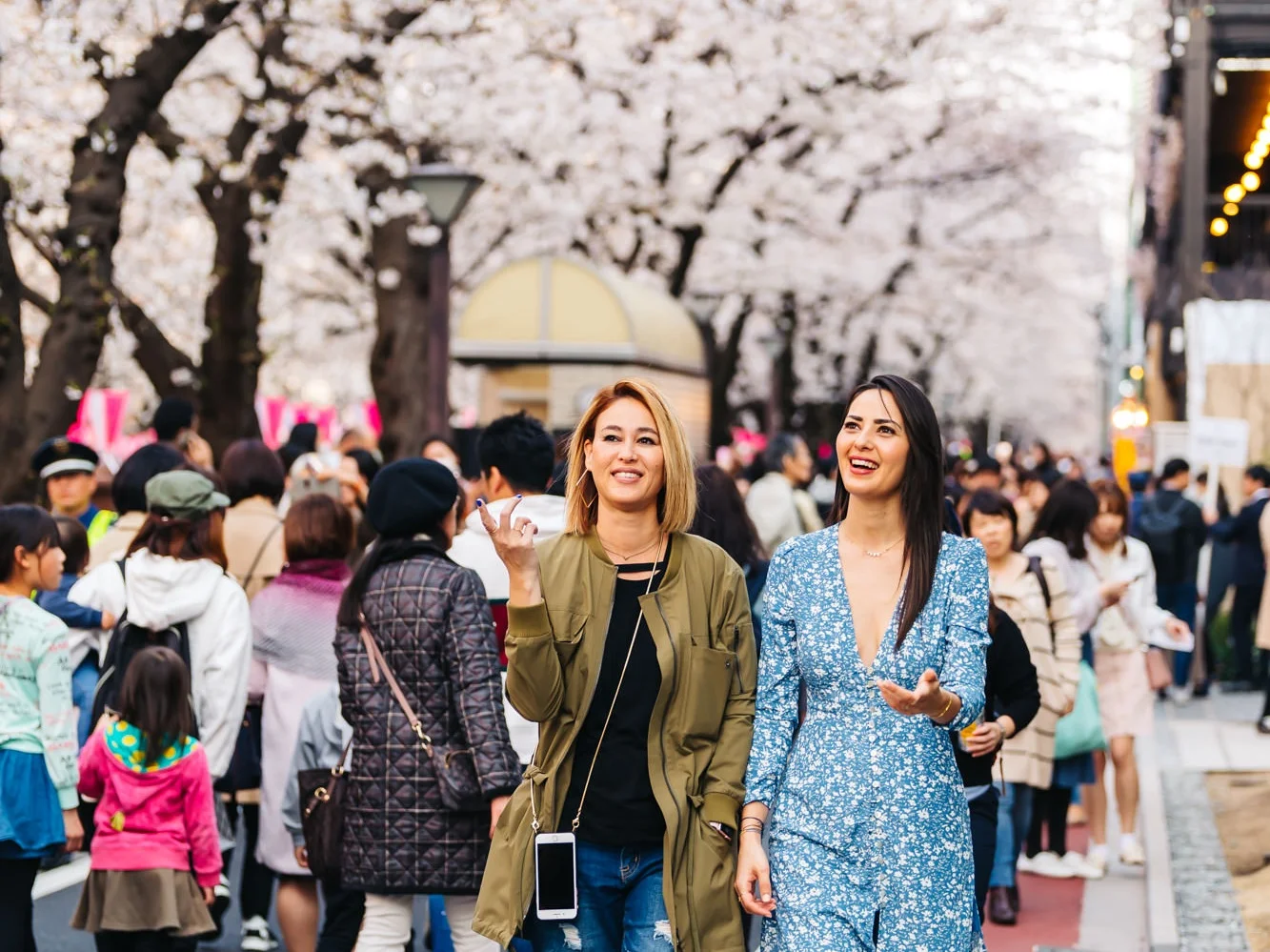
cherry Blossom Season in Tokyo
Tokyo Spring Packing List (Quick Checklist)
Layering tops (T-shirts, long sleeves, light sweater)
Optional dress or skirt
Comfortable walking sneakers or flats
Small crossbody bag or daypack
Small hand towel
Portable power bank
Foldable shopping bag
Tokyo Weather in March and April
Tokyo’s spring weather can vary quite a bit throughout March and April. Temperatures are usually in the mid-40s to mid-60s °F, which means mornings and evenings can feel cool while afternoons are often comfortable. Because of this, lightweight layers like sweaters, cardigans, and a light jacket tend to work best.
Packing for Tokyo in spring is really about building a transitional wardrobe. Layering pieces makes it easy to adjust throughout the day as temperatures change. Since you’ll likely be walking a lot while exploring Tokyo and using the train system, comfortable shoes are essential.
There’s also a chance of light rain during this time of year, so bringing a compact umbrella or a light waterproof jacket can be helpful.
What I’ve Learned From Visiting Japan Often
Because I visit Japan regularly to see family, I’ve learned that traveling there is usually easier than people expect. Many everyday items are easy to buy locally, and convenience stores and drugstores are incredibly well stocked.
Over time I’ve found that packing lighter and focusing on versatile layers works best for Tokyo in spring. You’ll likely be walking a lot, taking public transit, and stopping into small shops or cafes throughout the day, so comfortable (and obviously stylish😉) outfits and a day bag tend to be the most practical choices.
My Tokyo Spring Packing List
Layering is your best friend this time of year. You want pieces that look chic but can be easily shed and tucked into a daypack.
Light Jacket or Trench Coat: A classic trench coat or a light jacket is perfect for the city aesthetic and provides wind protection.
Comfortable Jeans or Trousers: For jeans, I make sure to pack a pair that have some stretch in them, and for trousers I prefer the waist to have a bit of elastic so they sit comfortably all day.
Lightweight Sweater or Cardigan: Versatile mid-layers. A mix of thin sweaters and slightly heavier cardigans allows you to adjust throughout the day.
Long Sleeve Tops: Bringing 1–2 lightweight Heattech (thermal) tops is a "pro move”. They take up zero space but make a huge difference if a cold snap hits. My favorite Heattech tops are from Uniqlo. I pack both long and short sleeve options.
Midi Skirt or Casual Dress: The weather is finally warm enough to start wearing your cutest skirts and dresses again.
Comfortable Shoes for Tokyo (You’ll Walk a Lot)
In Japan, your shoes are part of the "logistics." You will be taking them off frequently at temples, traditional restaurants, and even some fitting rooms.
Slip-on Walking Shoes: Prioritize comfort and ease. Loafers, Mary Janes, or sneakers with elastic laces are ideal.
Pristine Socks: Since you'll be in your socks often, pack pairs that are clean and hole-free.
Tokyo Outfit Examples for Spring
Here are some outfits I put together for my upcoming trip to Tokyo. I’m so excited to wear the looks I’ve planned this year. Can’t wait to explore the city in them! If you want to see the exact outfits I actually wore in Japan in April, check out my full Japan April outfit guide.

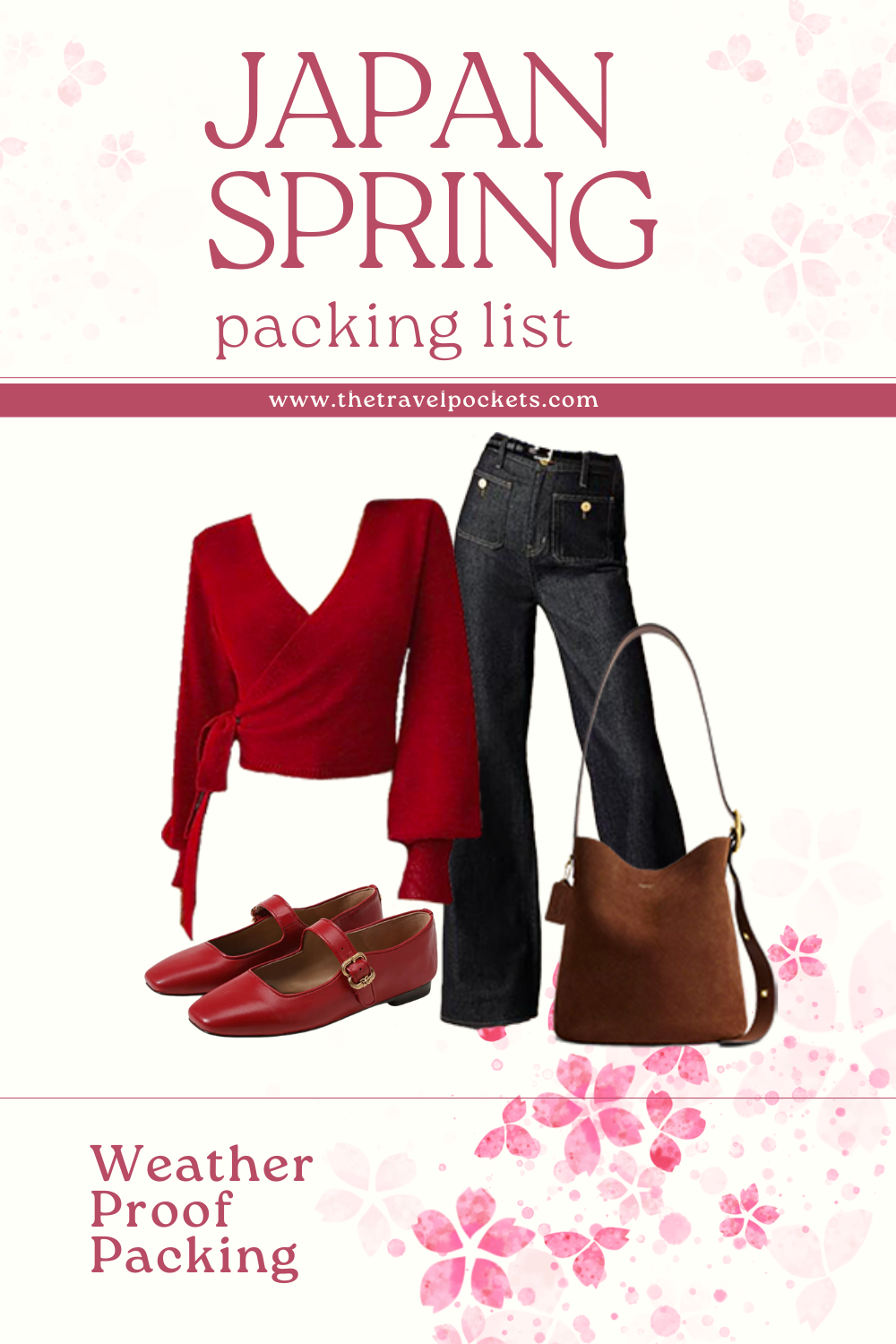
Sam Edelman Mary Janes
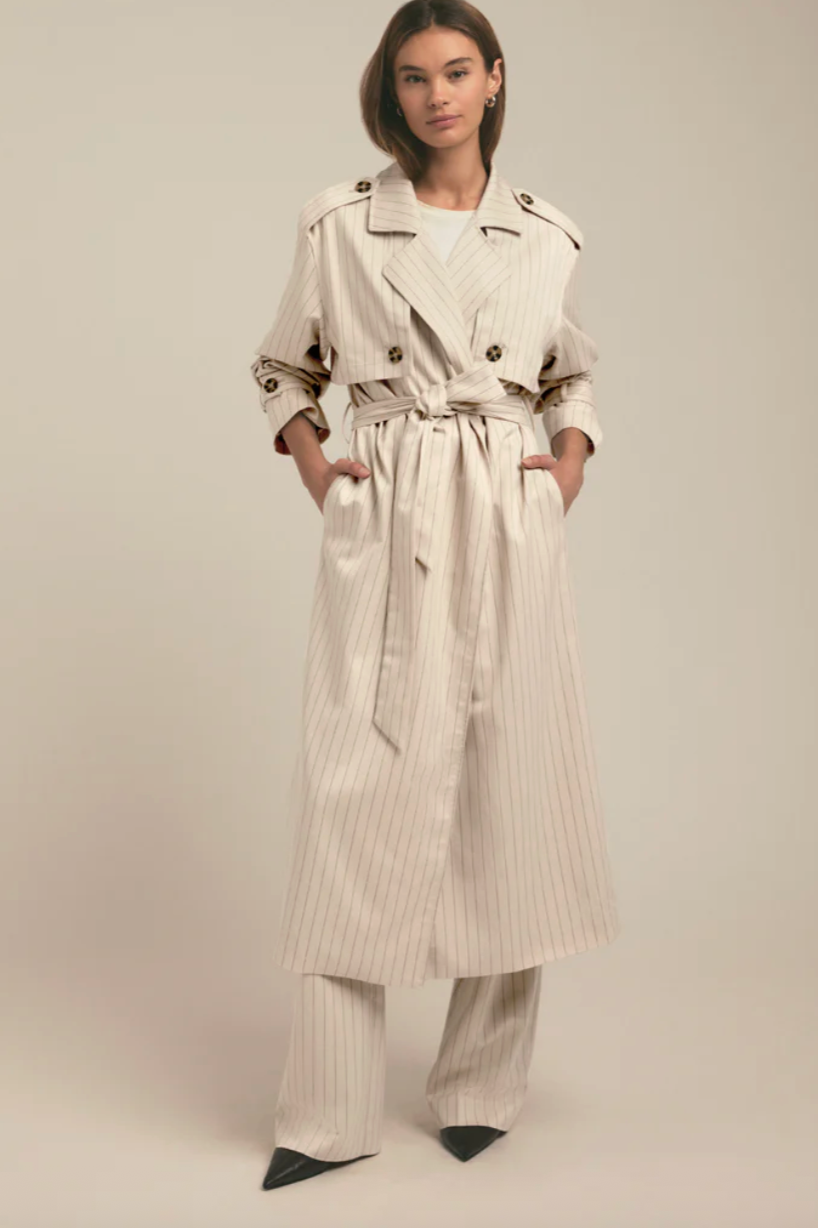
Favorite Daughter Trench Coat

Priya cardigan

Sezane Elijah Trousers

Express Wide Leg Pants

Marcella Palmer Knit Top

J Crew Semi Stretch Jeans

Shein Wrap Style Sweater
Small Things That Are Surprisingly Useful in Japan
Coin Purse: Japan is still very cash-heavy (especially at shrines and small shops), and you will accumulate a lot of 100-yen and 500-yen coins.
Small Hand Towel: Many public restrooms do not have paper towels or hand dryers. Carrying a small towel is a local norm. Think of it as the size of a standard American washcloth. If you forget to pack one, you can find them everywhere from convenience stores to high-end boutiques. They come in endless colors and adorable designs. I have a cute one with the adorable Miffy character that I throw in my purse.
Portable Power Bank: Between Google Maps and taking photos of the Sakura, your battery will drain faster than usual.
Collapsible Umbrella: While you can buy clear ones at any konbini (convenience store), a high-quality compact one is better for wind.
Foldable Shopping Bag (Eco-bag): In Japan, plastic bags at convenience stores (konbini) and supermarkets now cost extra. A lightweight, pouch-sized foldable bag is a lifesaver for carrying unexpected snacks, Gashapon hauls, or souvenirs.
Pro Tip: If you forget one, you can buy incredibly stylish and durable ones at Loft, Hands, or Don Quijote that make for great functional souvenirs themselves.
Small Trash Bag: Public trash cans can be hard to find in Japan, so many locals carry their trash until they get home. A small trash bag in your day bag can be surprisingly useful.
Allergy Medication: Spring in Japan is known for cedar pollen, and visitors sometimes experience allergies unexpectedly.
Things I’ve Learned Not to Overpack for Japan
Too many toiletries: Drugstores like Matsumoto Kiyoshi and convenience stores carry most travel essentials if you run out.
Lots of Cash from Home: Japan is more card-friendly than it used to be, and ATMs at convenience stores like 7-Eleven make it easy to withdraw yen if you need it.
Travel Adapters: If you’re coming from the U.S., most electronics work in Japan without an adapter because both countries use the same plug type. I use my flat and curling iron just fine without an adapter.
Extra Shoes: Tokyo involves a lot of walking, but one reliable pair of comfortable walking shoes is usually enough. A second pair is optional, but you likely won’t need more than that.
Tokyo Spring Packing Checklist (Quick Summary)
Clothing: light jacket, layering tops, pants/jeans, optional dress/skirt, sleepwear
Shoes: walking sneakers, optional flats/boots
Accessories: crossbody bag or small backpack
Japan Essentials: coin purse, hand towel, power bank, foldable shopping bag
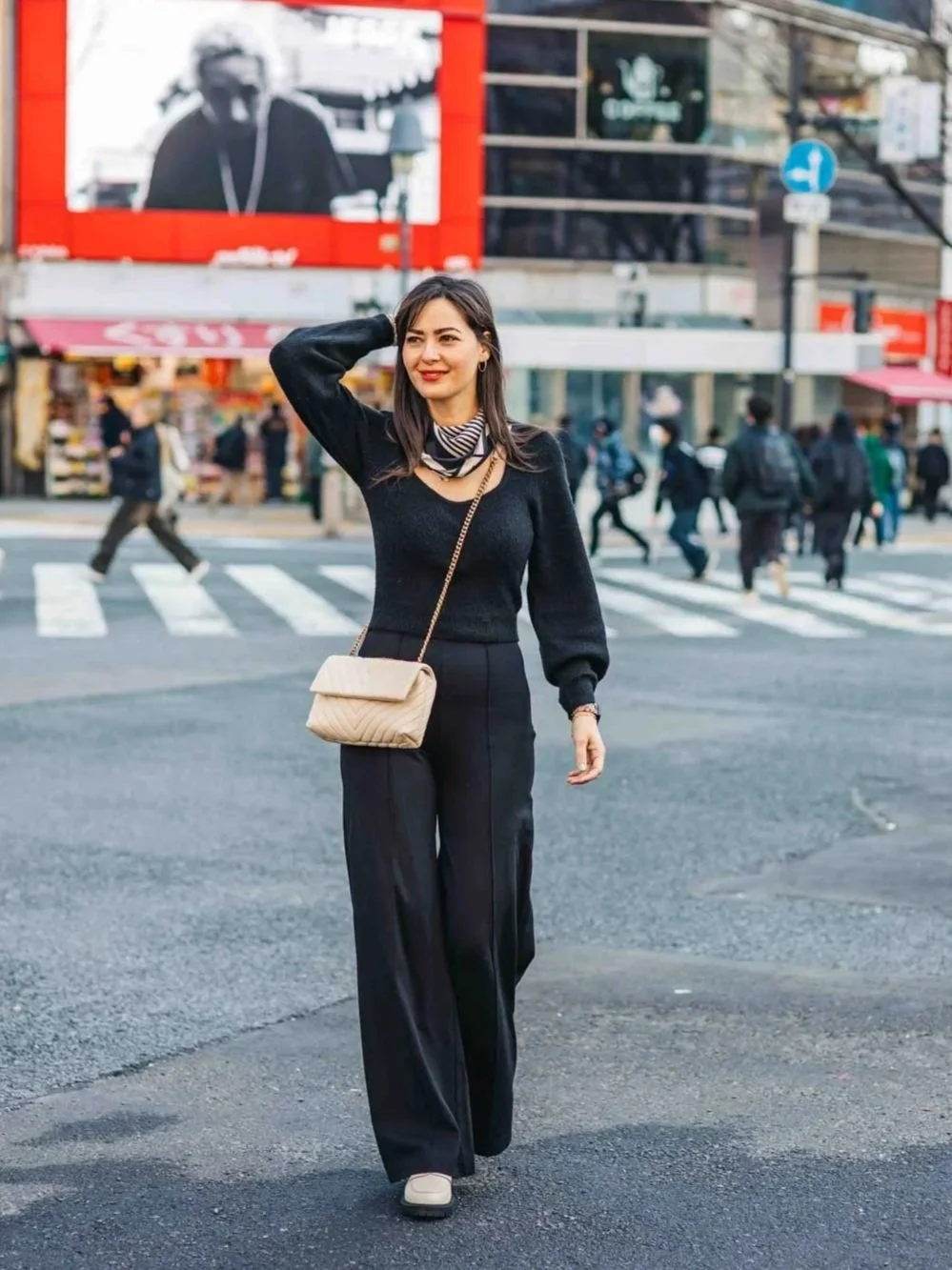
Shibuya Crossing - Spring 2024
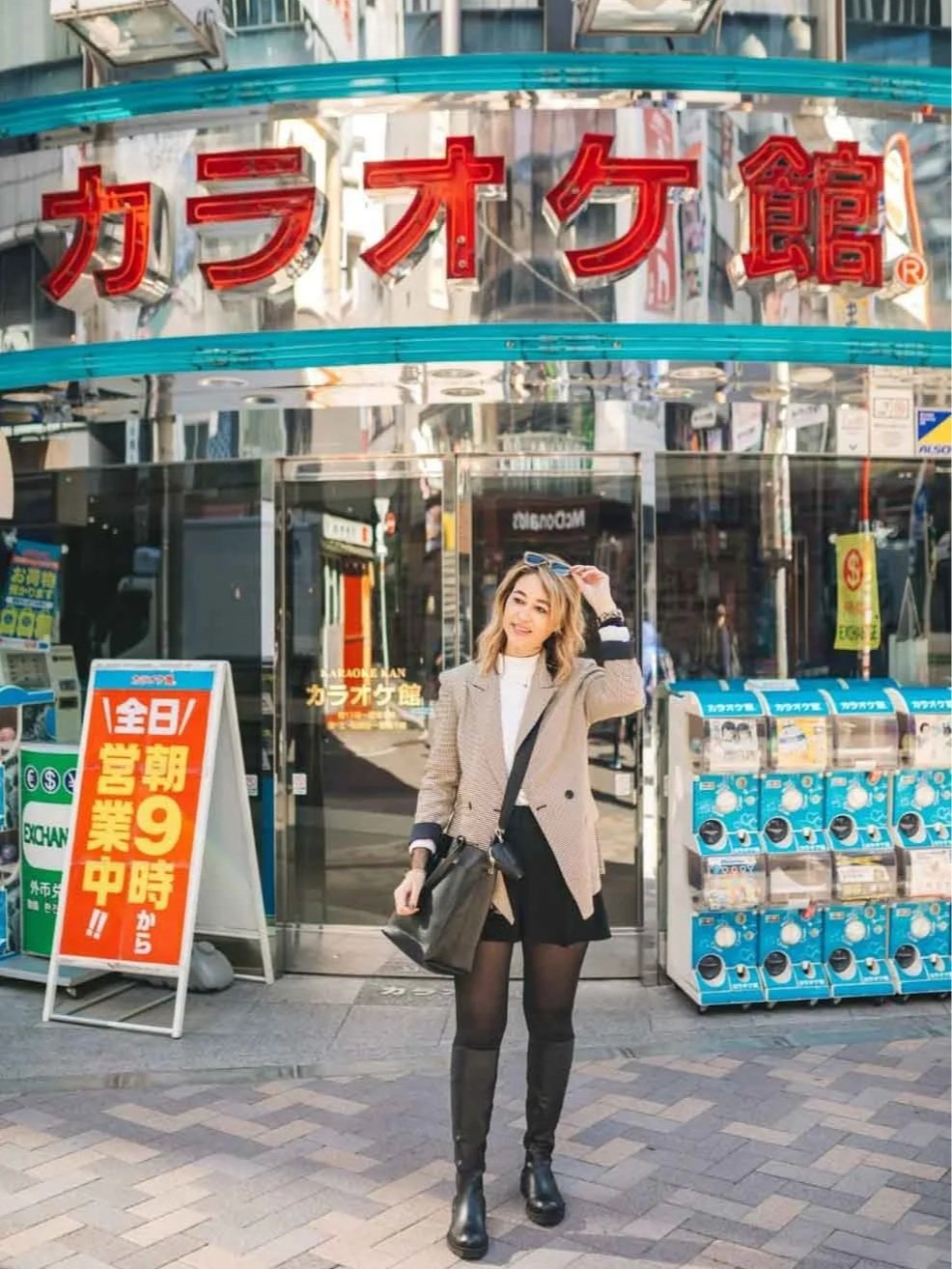
Karaoke-kan in Tokyo - Spring 2024
Planning a Japan Spring Trip?
You may also find these guides helpful:
Frequently Asked Questions:
-
For 2026, the "Sakura Front" is arriving earlier than usual. In Tokyo, first blooms are expected around March 17–19, with full bloom hitting between March 25–28. Kyoto and Osaka follow closely, with first blooms around March 23.
-
A heavy winter parka is usually unnecessary for central Japan (Tokyo, Kyoto, Osaka) unless you are heading north to Hokkaido. The best strategy is a mid-weight jacket paired with base layers. Temperatures can fluctuate between 5°C (41°F) and 15°C (59°F), so "layering up" in the morning and "layering down" in the sunny afternoon is the local way to dress.
-
Prioritize comfortable, supportive footwear with good arch support. Because you will be removing your shoes frequently at temples, traditional restaurants, and some fitting rooms, slip-on styles or shoes with elastic laces are highly recommended. Ensure your footwear is water-resistant, as March can bring sudden spring showers.
-
In 2026, traveling with large luggage on public transport has become more restricted to combat "overtourism" and crowded commutes. Many cities, including Kyoto, have now implemented bans on large suitcases on city buses. Furthermore, on the Tokaido, Sanyo, and Kyushu Shinkansen lines, you are required to book a specific "oversize baggage" seat in advance if your bag's total dimensions exceed 63 inches. If you have time, I recommend using a luggage forwarding service (Takkyubin). For about ¥2,500–¥3,500, you can ship your suitcase from your hotel in Tokyo and have it waiting for you in your Kyoto or Osaka hotel room the next day, allowing you to travel "hands-free" with just a small day bag.