

12 Things to Know Before Visiting Glacier National Park
/This post contains affiliate links. This means that at no additional cost to you, as an Amazon Associate, we earn from qualifying purchases.
Glacier National Park is one of the most stunning national parks in the United States, but it is also one of the most challenging to plan. Between advance reservations, unpredictable weather, limited services, and intense competition for parking, Glacier requires more preparation than many first-time visitors expect.
We visited Glacier in late August as part of a Western National Parks road trip and experienced everything from zero-visibility fog to unforgettable wildlife encounters. These are the 12 most important things to know before you go, based on what actually mattered during our trip.
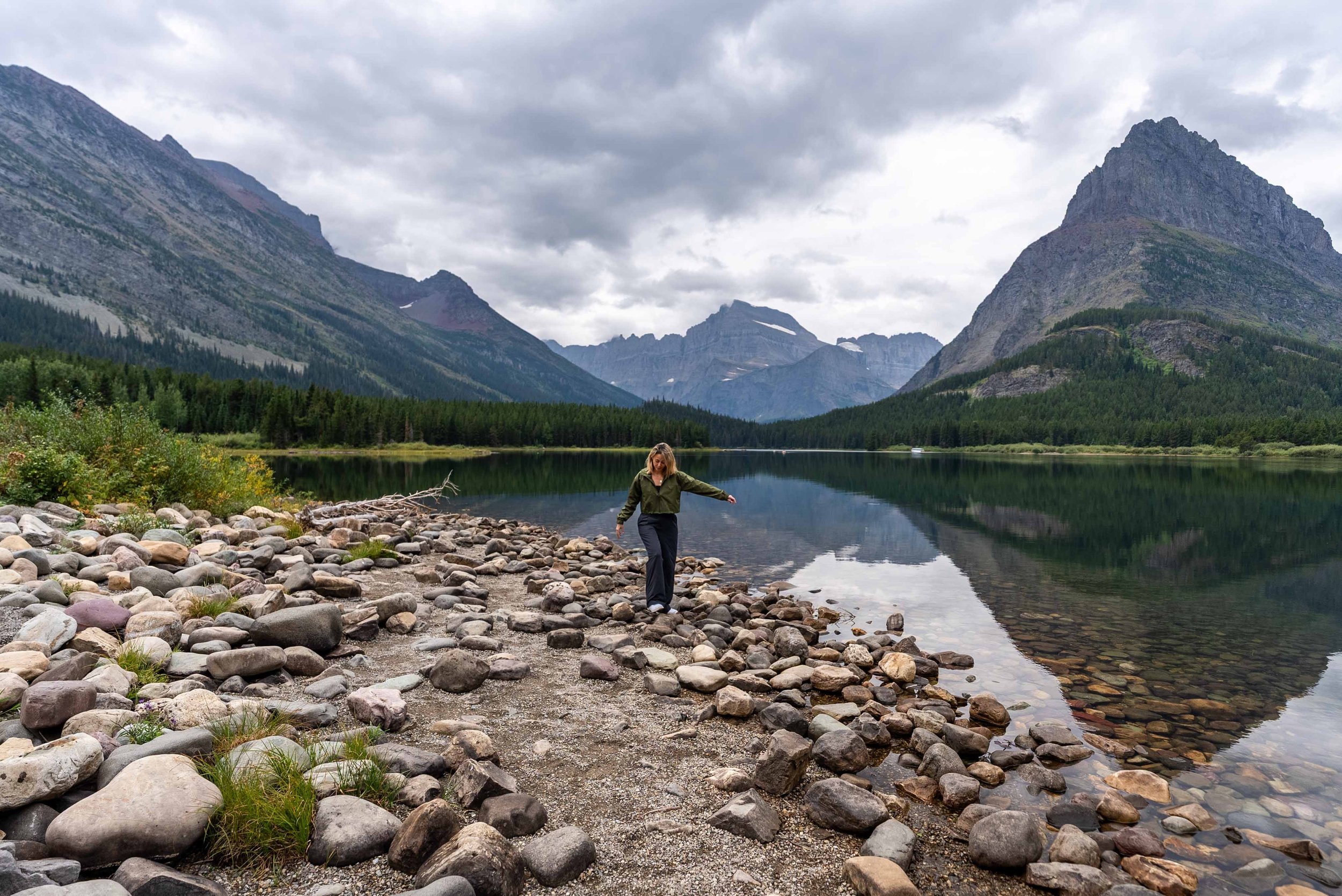
Swiftcurrent Lake
1. You Need to Book Far Earlier Than You Think
Glacier is not a park you can plan last minute during peak season.
By early summer, we found that lodging inside the park was sold out and many tours were fully booked.
If you are visiting between June and September, plan to book accommodations, tours, and reservations four to six months in advance whenever possible.
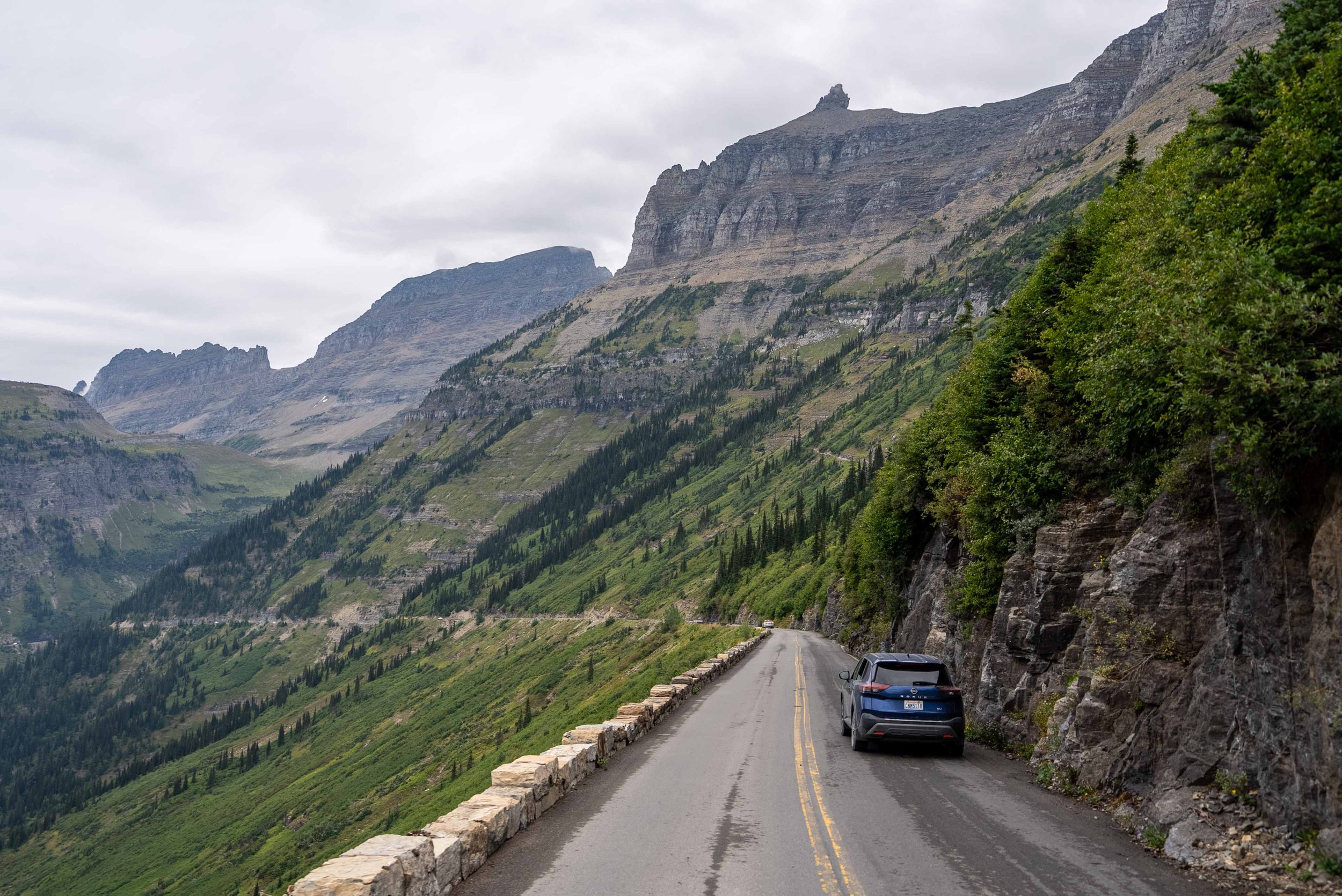
Going to the Sun Road
2. Glacier No Longer Has a Reservation System
When we visited Glacier National Park in August 2025, vehicle reservations were required during peak hours. From 2021 through 2025, the park operated under a timed-entry vehicle registration system.
As of 2026, timed-entry reservations are no longer required. Instead, Glacier has implemented a ticketed shuttle system and three-hour limited parking at Logan Pass. Policies can change from year to year, so be sure to check the official park website before your trip.
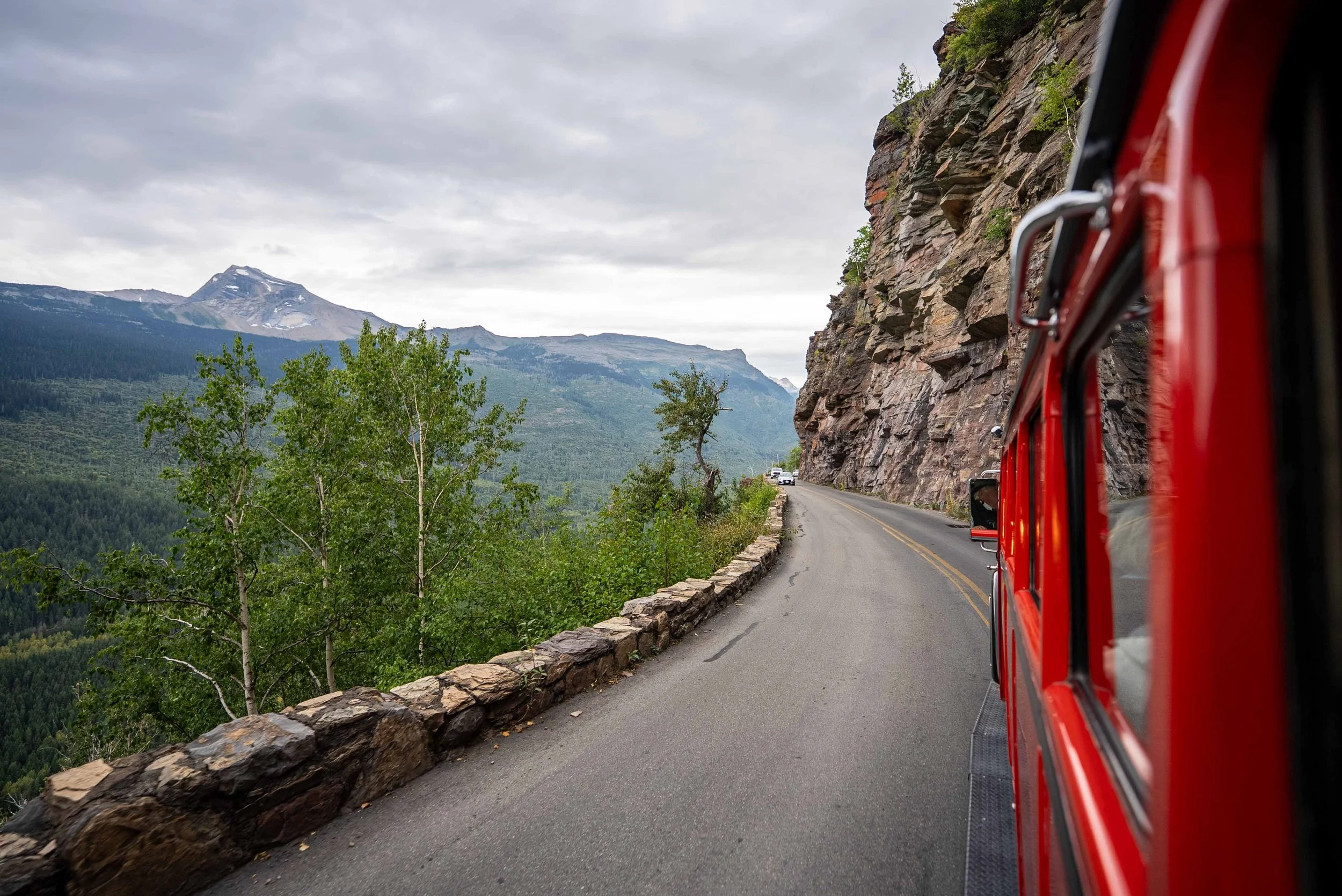
We booked the Red Bus Tour to get into the park
3. Elevation Changes Affect Temperature Quickly
Glacier’s elevation shifts quickly, especially along Going-to-the-Sun Road. You can start the day in mild, comfortable weather at lower elevations and find yourself noticeably colder just 30 to 45 minutes later at Logan Pass.
During our visit in late August, it was comfortable at the base, but once we reached Logan Pass, the temperature dropped and the wind picked up. I made the mistake of wearing just a light jacket without a long sleeve layer underneath, and I was much colder than I expected. Even in peak summer, higher elevations can feel like a completely different season.
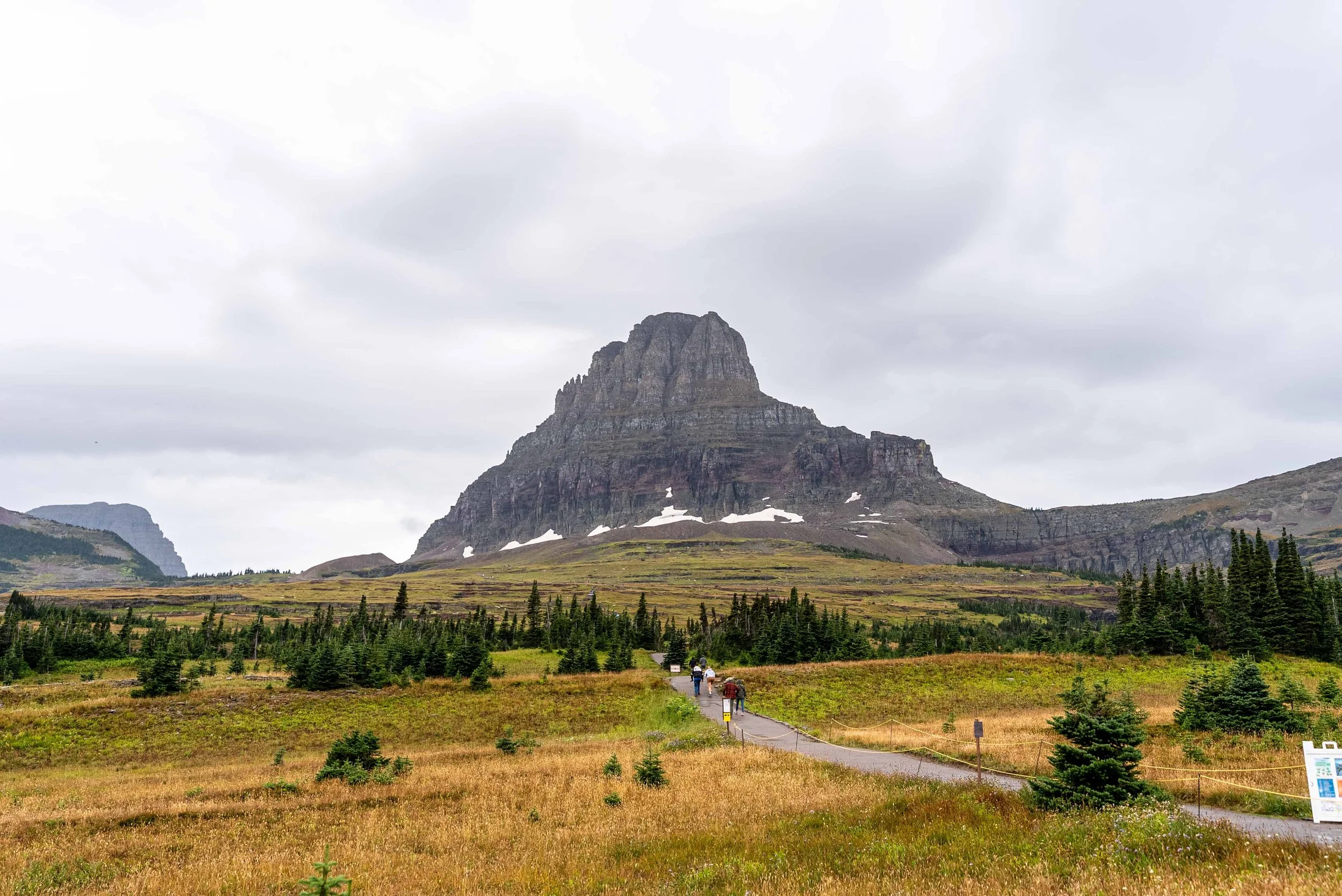
Logan Pass
4. Parking Fills Shockingly Early
Glacier attracts very motivated visitors.
Popular areas like Logan Pass often fill before 7:00 am, even on weekdays. Arriving “early” by normal standards may still be too late.
If a specific hike or viewpoint matters to you, plan to arrive at dawn or be prepared to change plans.
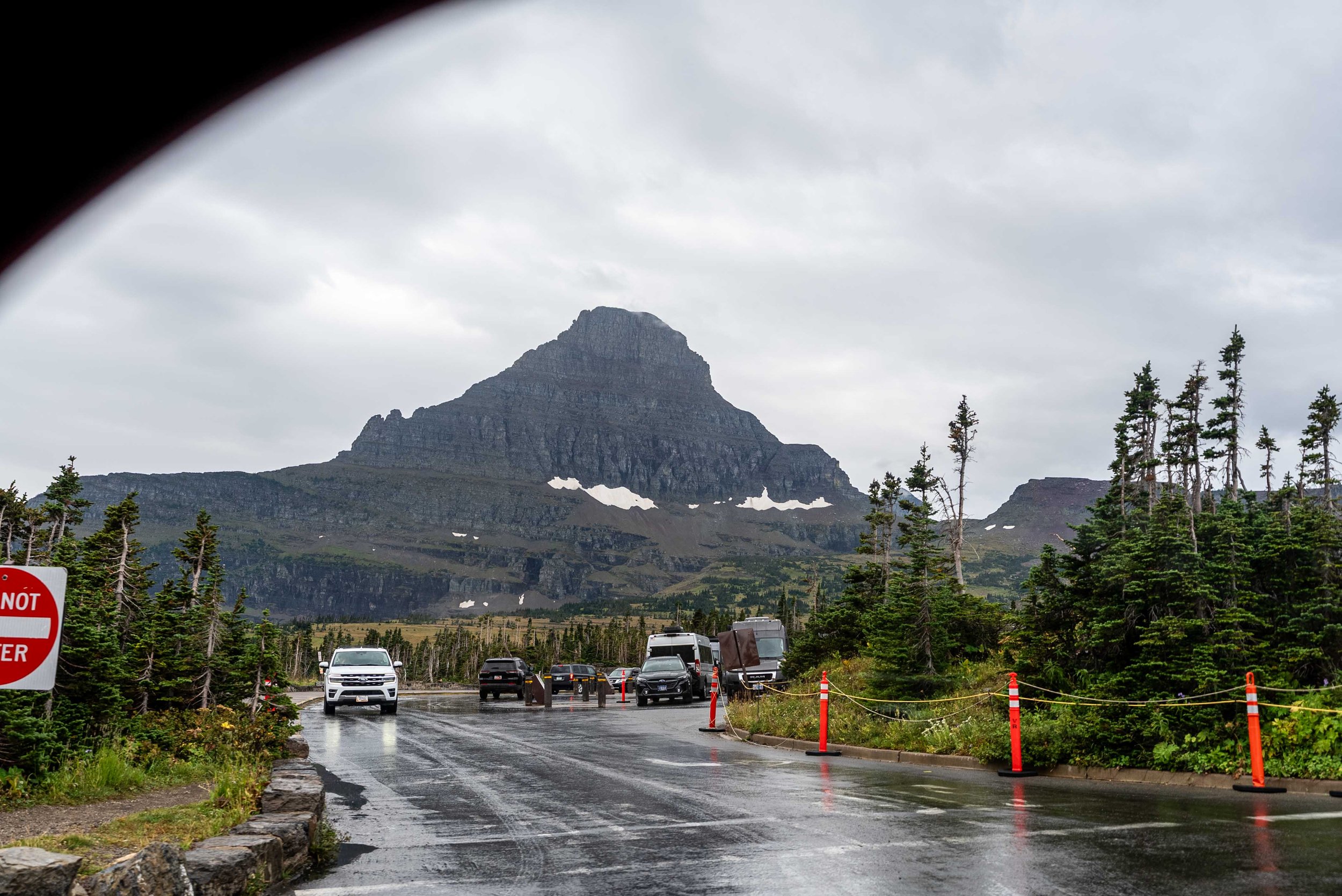
Logan Pass parking is almost always full
5. Morning Weather Is Often the Worst Weather
Late August mornings frequently bring:
Fog
Low clouds
Light rain
Poor visibility at higher elevations
This does not mean the day is ruined. Conditions often improve dramatically by late morning or afternoon. If visibility is poor, move to lower elevations or another area of the park and revisit later.
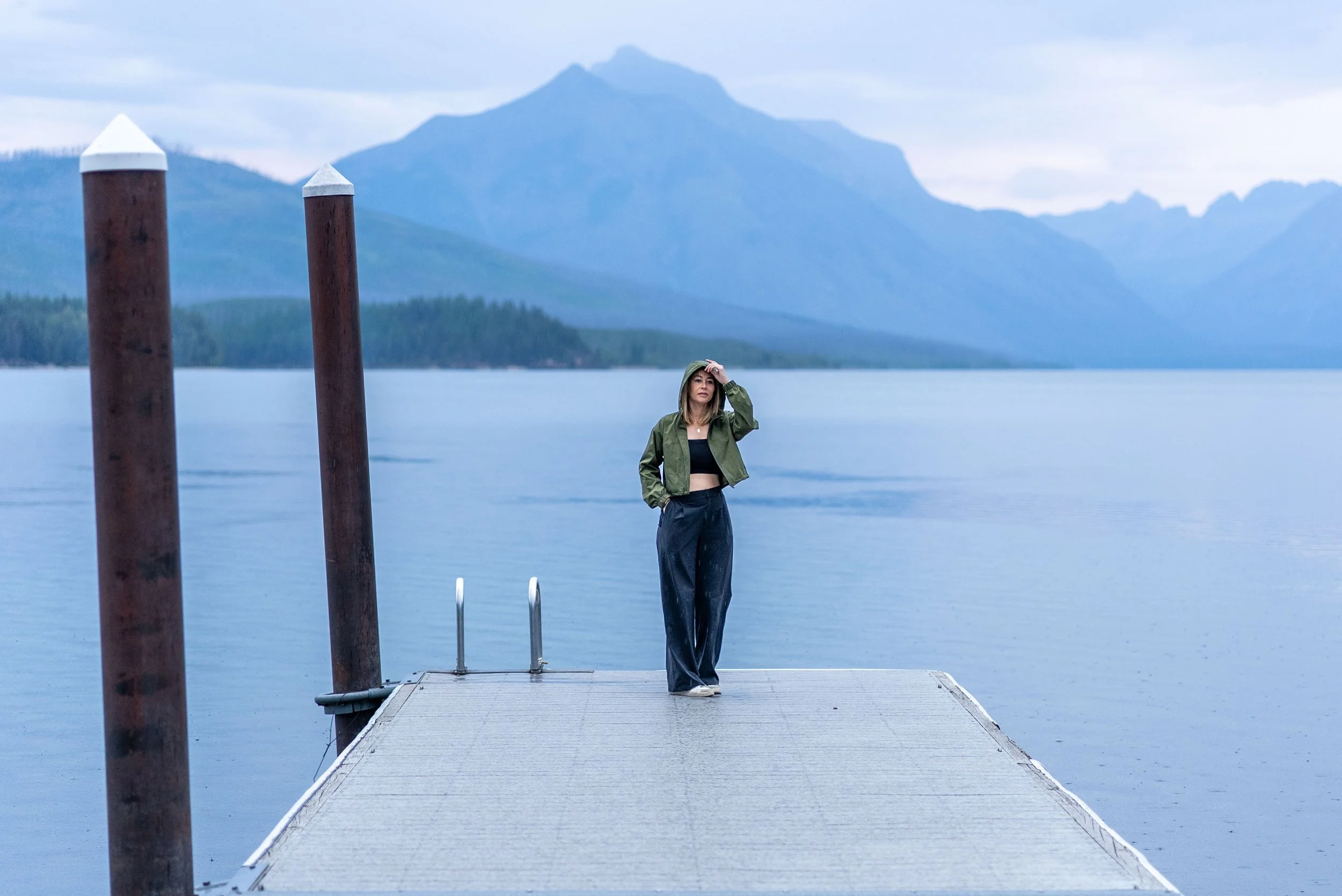
Rainy morning at Apgar Village
6. Flexibility Is More Important Than a Perfect Itinerary
Glacier does not reward rigid plans.
Trails may be fogged in, parking may be unavailable, and weather may change suddenly. Some of our best moments came from changing plans, leaving areas early, or taking unplanned detours.
Build extra time into each day and accept that you will not see everything.
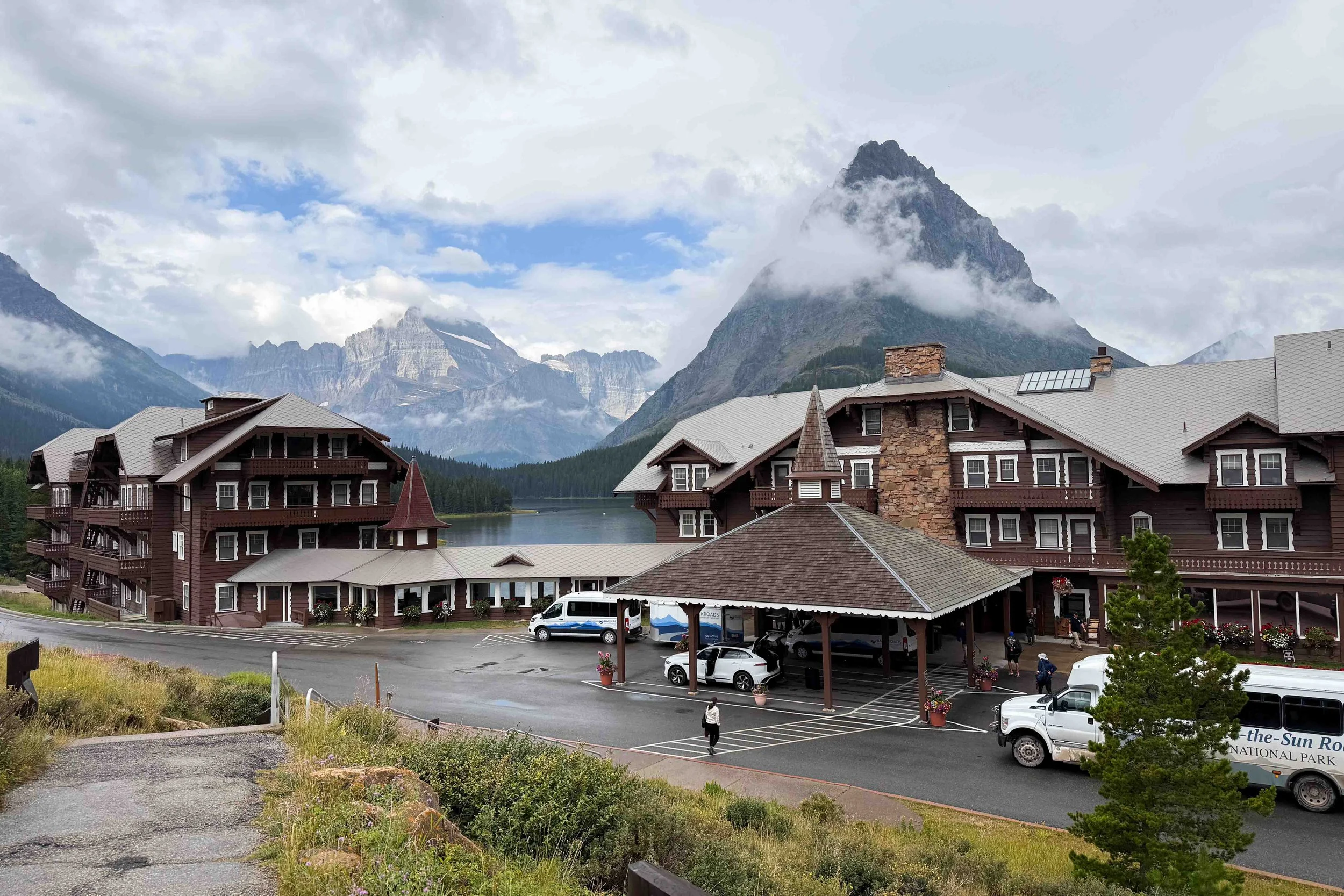
Many Glacier Hotel
7. Cell Service Is Extremely Limited
Cell service inside Glacier is spotty to nonexistent, especially in areas like Many Glacier.
Before entering the park:
Download offline Google Maps
Save trail maps
Screenshot tour confirmations and reservations
Download your lodging details
Do not assume you will be able to look things up once you are inside the park.
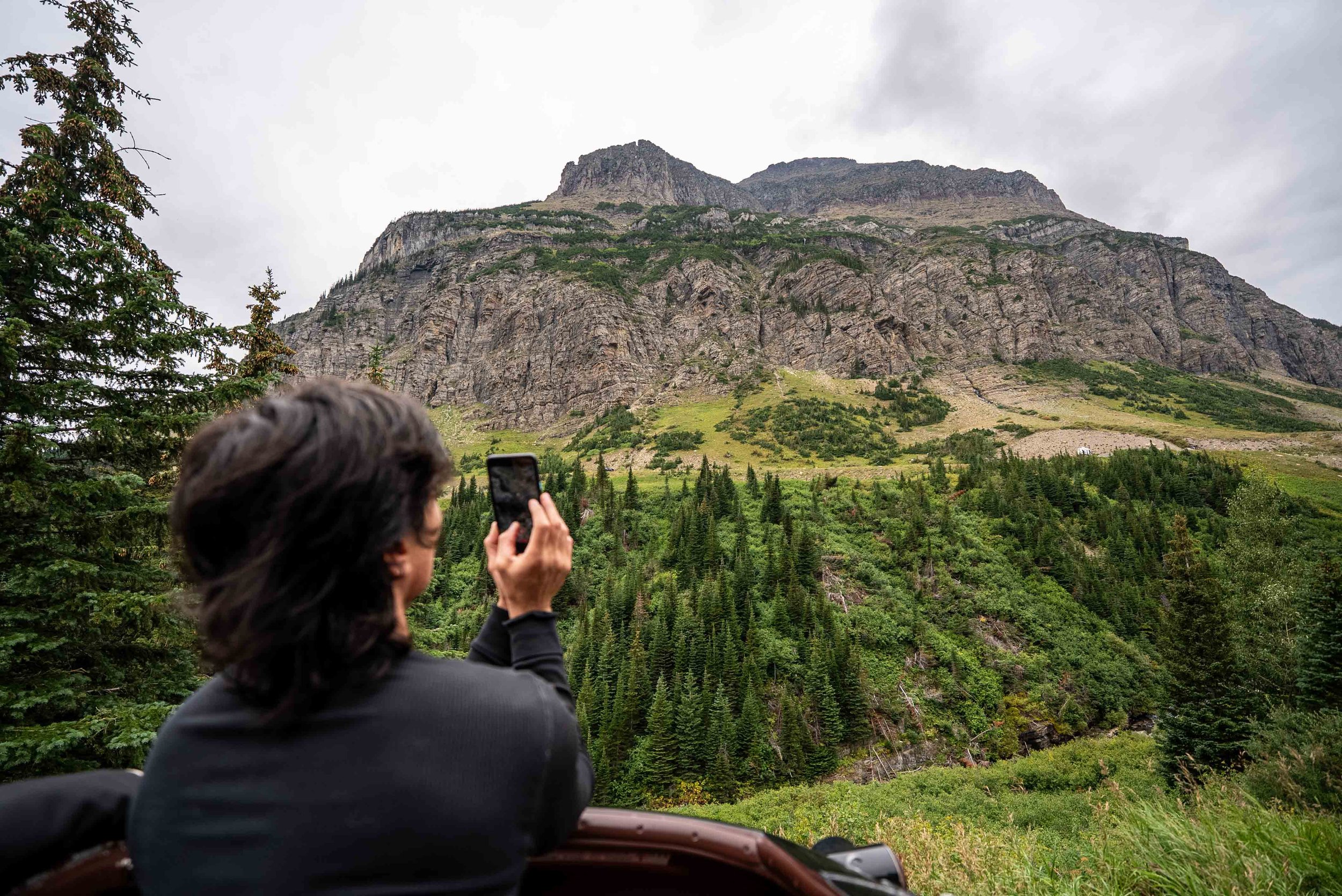
There was no cell service whatsoever inside the park
8. Staying on the West Side Has Major Advantages
We stayed on the West side of the park, and it worked extremely well.
Benefits included:
More lodging availability
Better dining options
A well-stocked grocery store
Easier access to Apgar Village and Lake McDonald
Lower gas prices
The East side offers closer access to some areas, but services are limited and accommodations book far in advance.
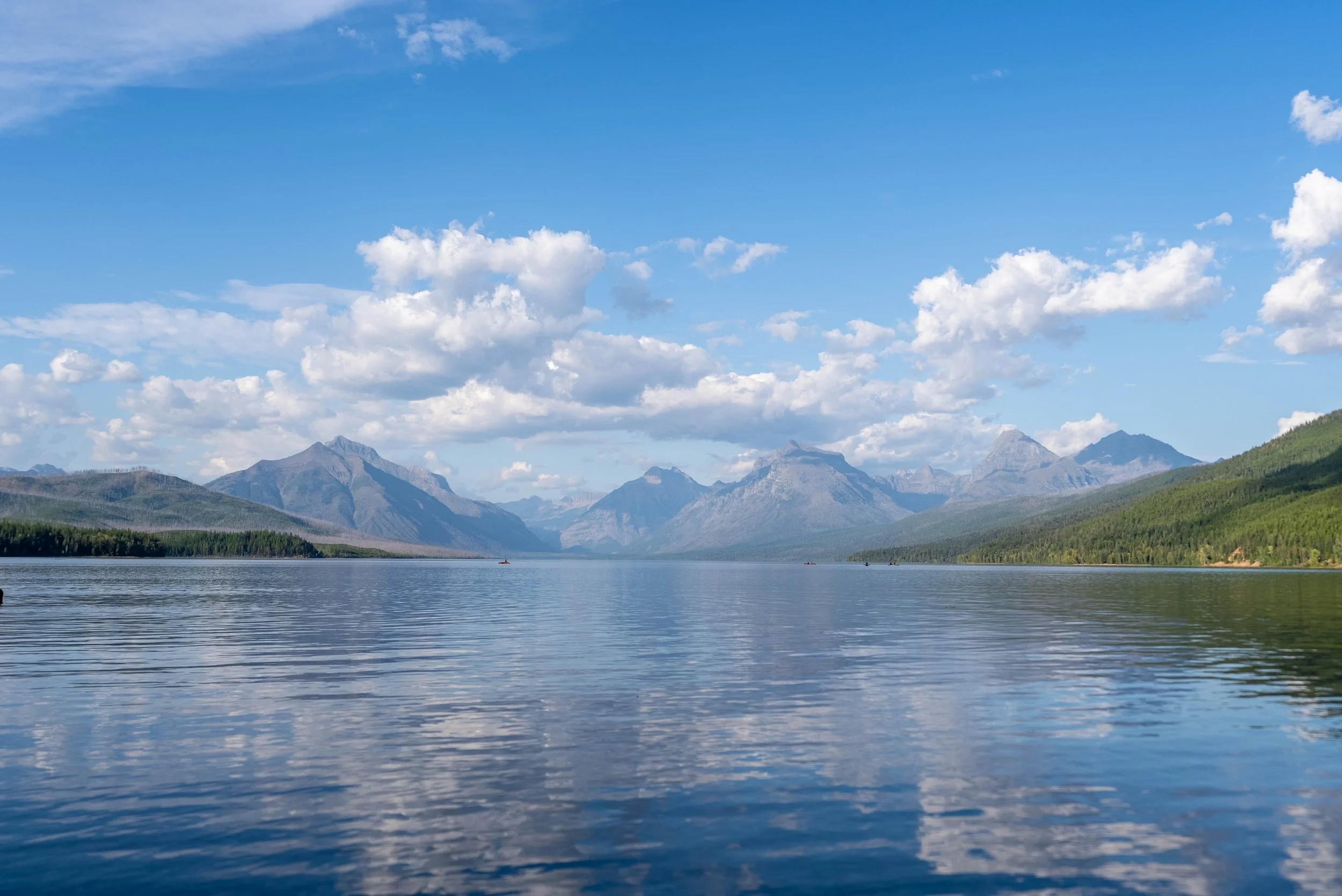
Apgar Village
9. Food Inside the Park Is Limited and Expensive
Dining options inside Glacier are sparse, and prices are high for what you get.
Packing food saved us time and money and allowed us to stay flexible. Simple lunches, snacks, and breakfasts made long days much easier.
If you cannot pack meals, there are a few in-park options, but plan for limited menus and extra wait time.
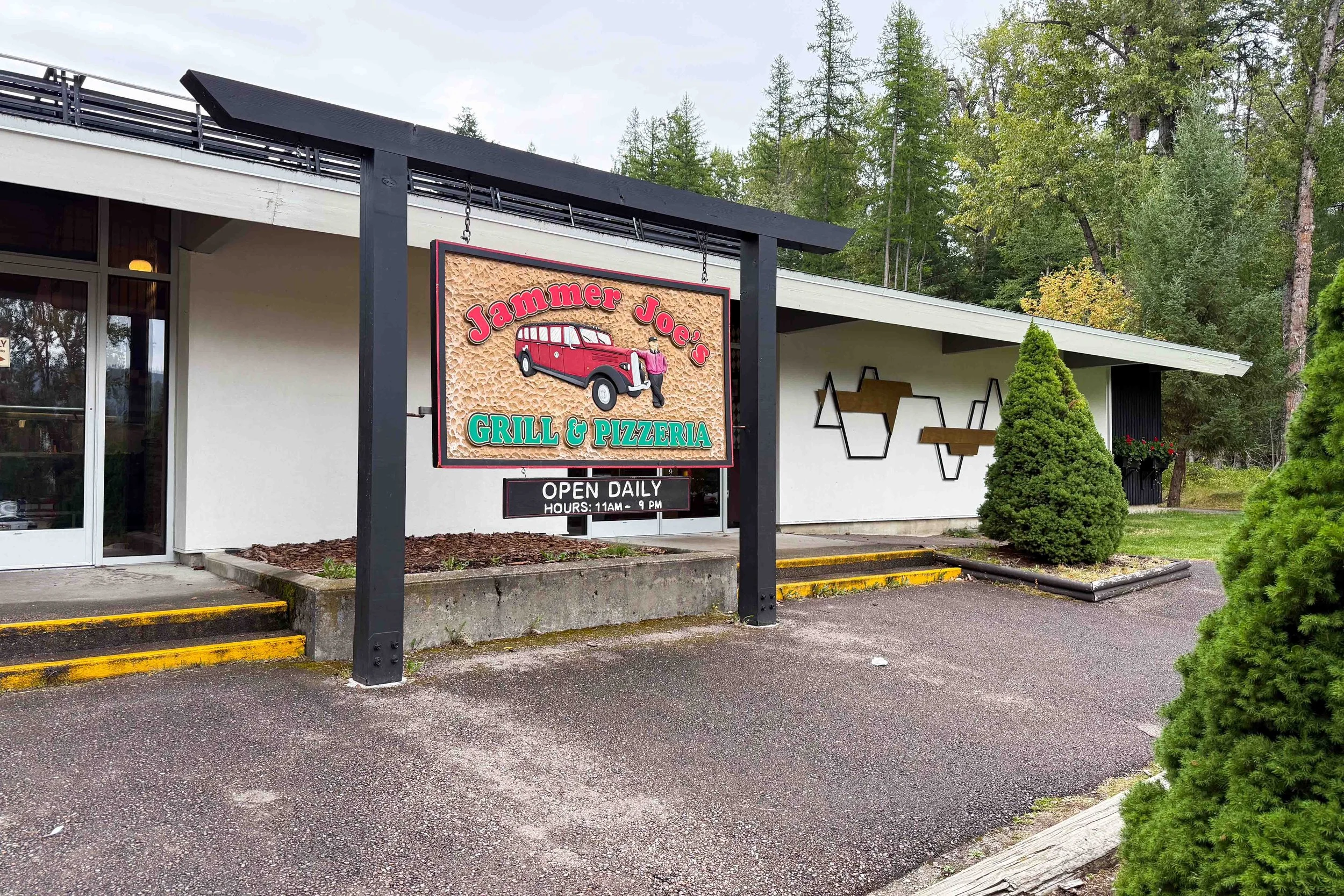
Jammer Joe’s was not that great but options are limited within the park
10. Wildlife Encounters Are Common, Even on Easy Trails
Glacier delivered the most wildlife sightings of our entire road trip.
We saw:
A grizzly bear from a distance
A black bear swimming
Moose extremely close to the trail
Bighorn sheep and mountain goats along the road
Late August is an active time for wildlife. Carrying bear spray or another deterrent is strongly recommended if you plan to hike.
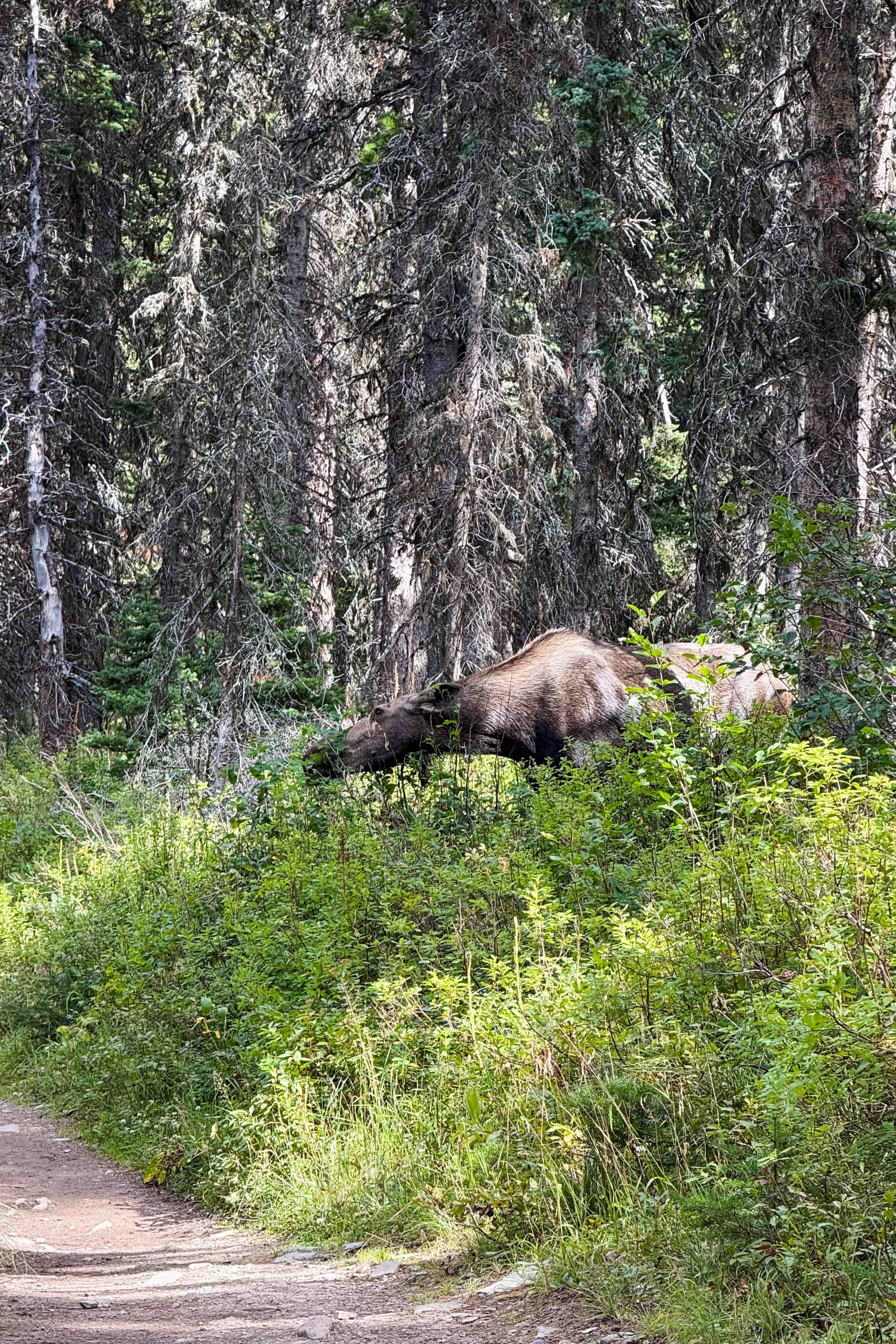
Ran into a moose on our hike at Many Glacier
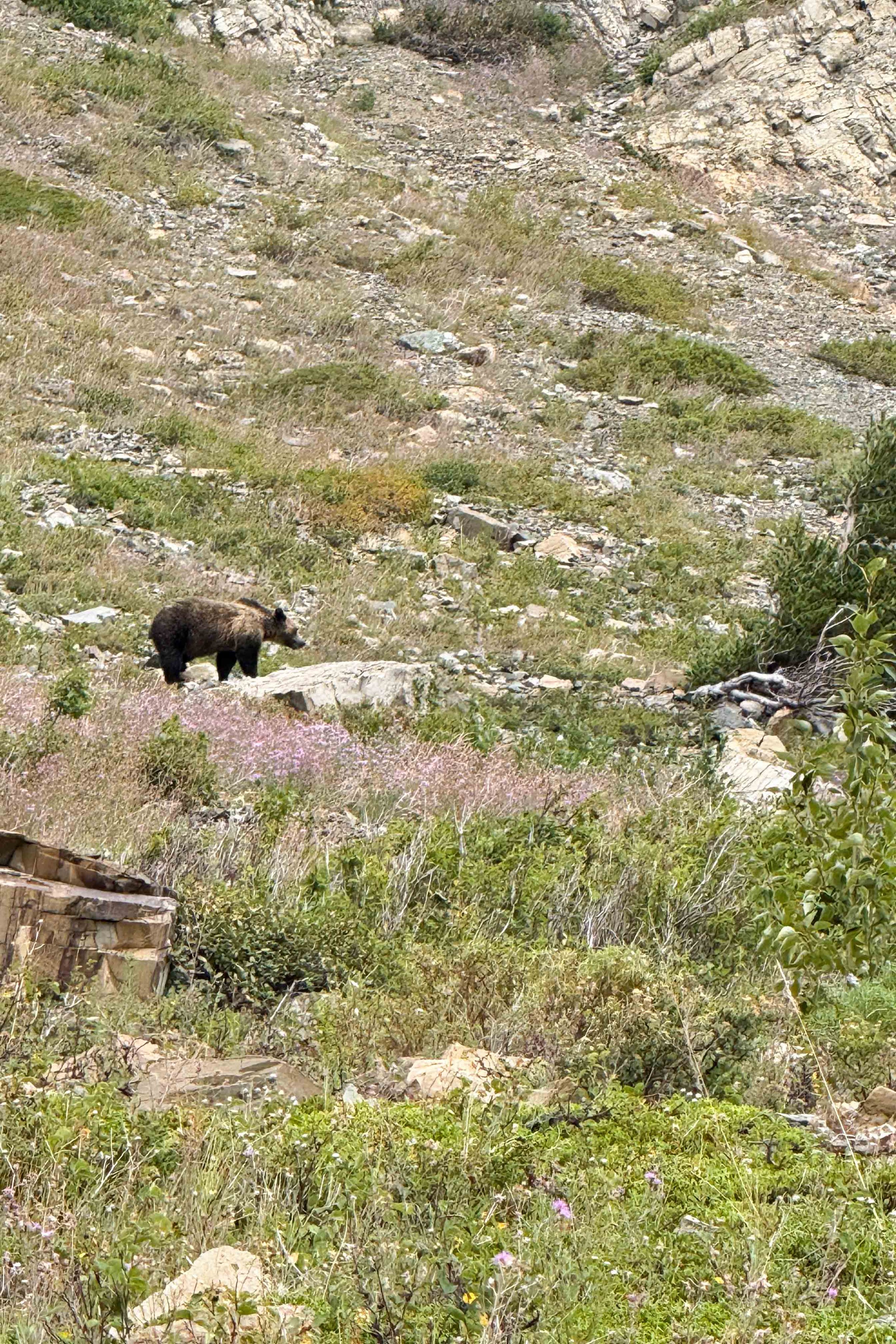
Spotted a grizzly on our way to Many Glacier
11. Driving Times Look Long but Feel Shorter
Distances inside Glacier can appear intimidating on maps, with drive times of one to two hours.
In reality, those drives are part of the experience. Going-to-the-Sun Road is one of the most scenic drives in the country, and the views make the time pass quickly.
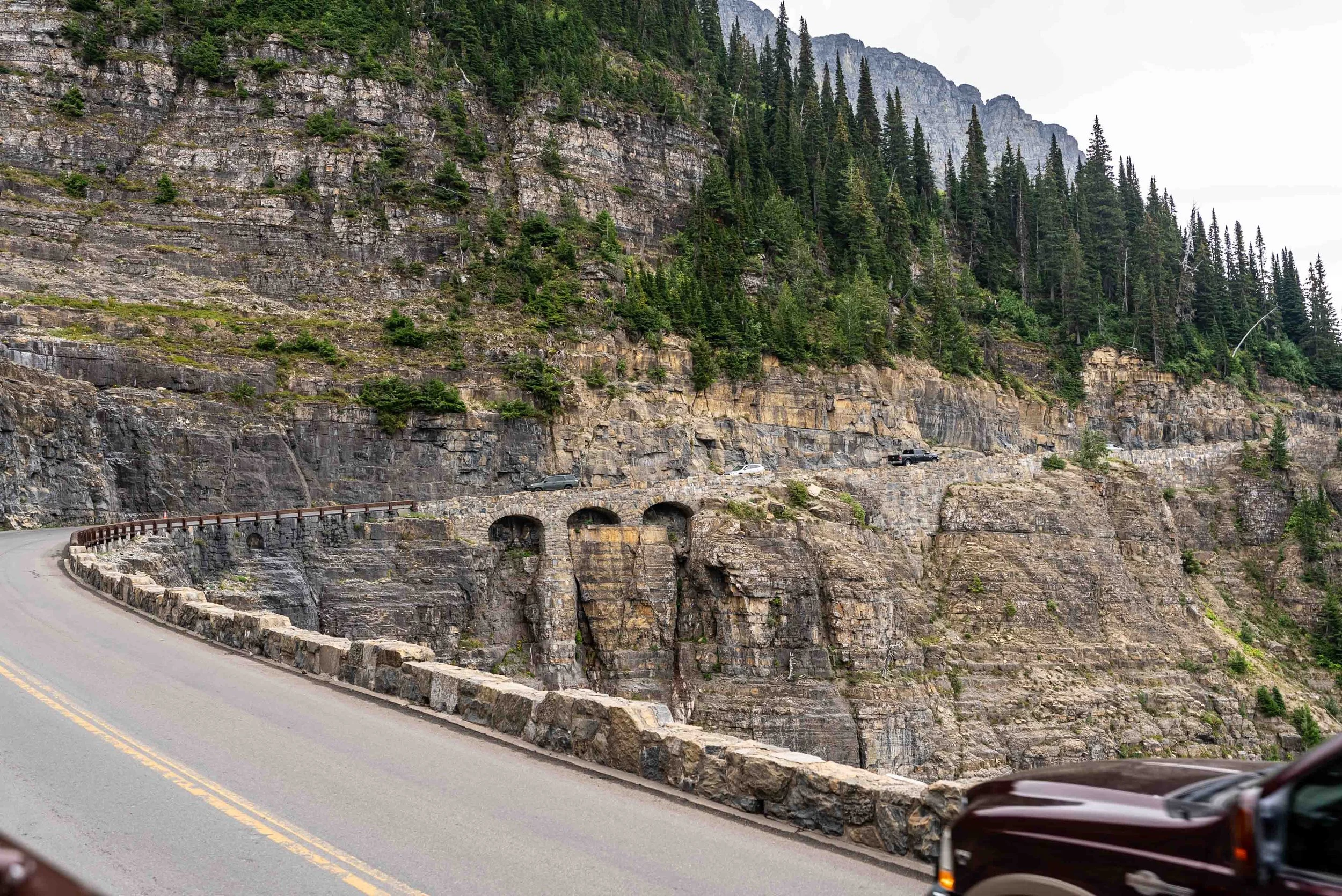
The beautiful Triple Arches along the Going-to-the-Sun road
12. Glacier Rewards Preparation but Even More So, Patience
Glacier National Park requires more effort than many parks, but the payoff is enormous.
Weather challenges, missed turns, and unexpected wildlife encounters often become the most memorable moments. Going in prepared but patient makes all the difference.
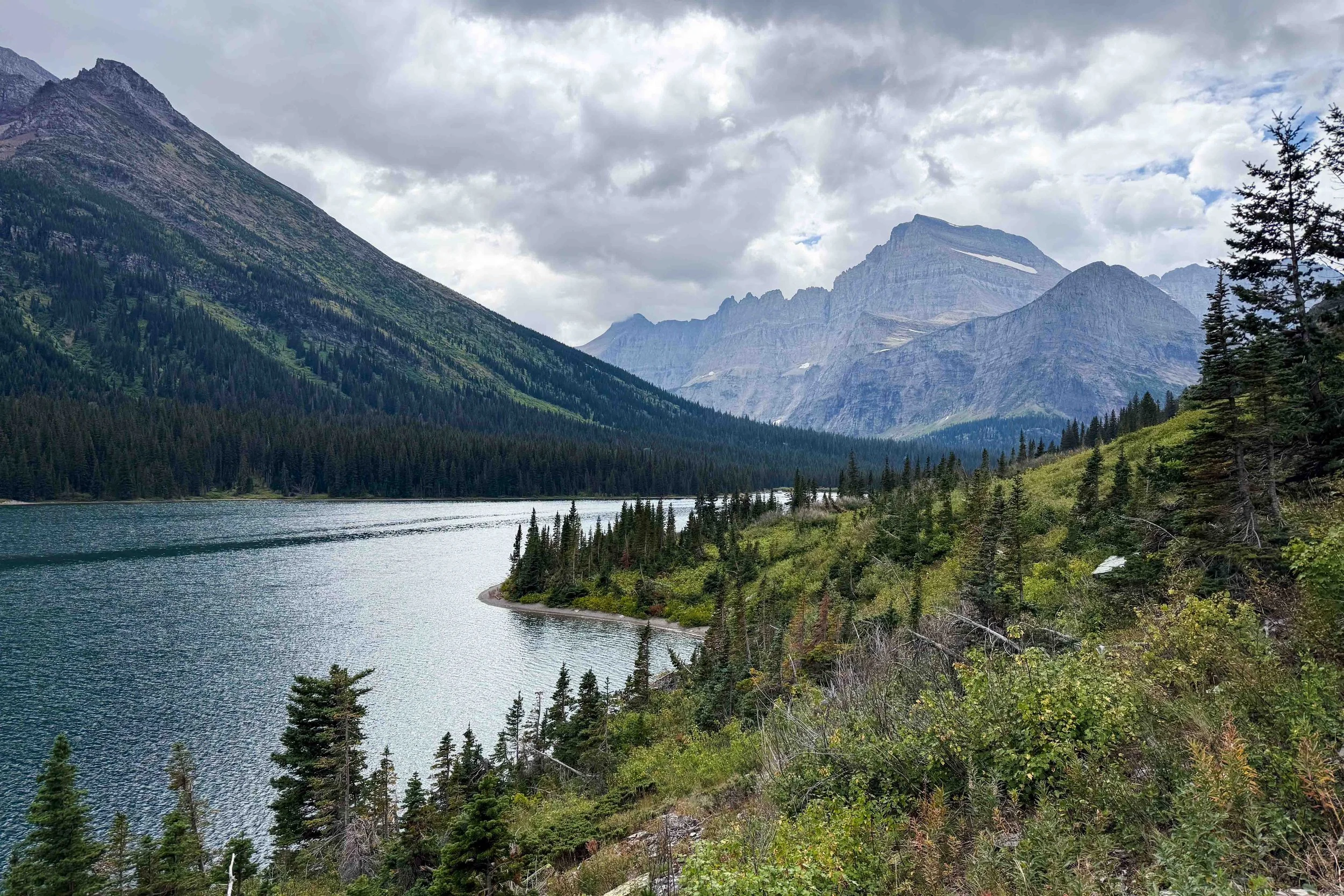
Beautiful scenery on our hike at Many Glacier
Final Thoughts
Glacier National Park is not an easy destination, but it is one of the most rewarding. Advance planning, early mornings, downloaded maps, and flexible expectations will help you enjoy it rather than fight it.
If Glacier is on your list, these 12 tips will prepare you far better than a perfect looking itinerary ever could.
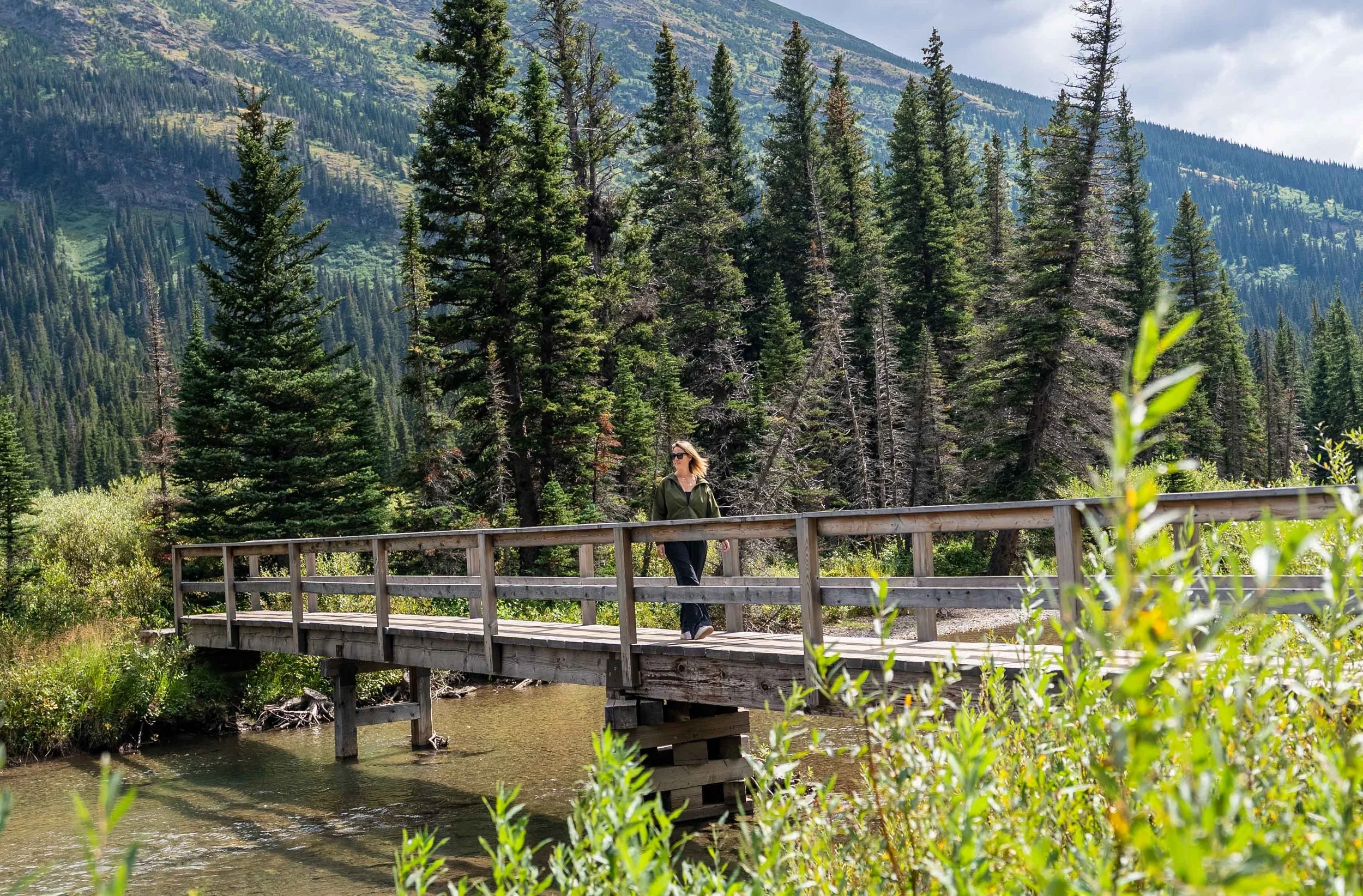
Getting lost on a trail at Glacier National Park turned out to be great!
Glacier National Park Quick Planning Checklist
✔️ Book accommodations and tours 4–6 months ahead
✔️ Check park policies before the trip
✔️ Pack layers for elevation changes
✔️ Arrive very early for parking, especially near Logan Pass
✔️ Expect fog and changing weather in the mornings
✔️ Build flexibility into every day
✔️ Download offline maps before entering the park
✔️ Screenshot reservations and confirmations
✔️ Consider staying on the West side for more amenities
✔️ Pack lunches, snacks, and water when possible
✔️ Carry bear spray or a wildlife deterrent if hiking
✔️ Fill up on gas on the West side before heading east
Save or screenshot this checklist before your trip.
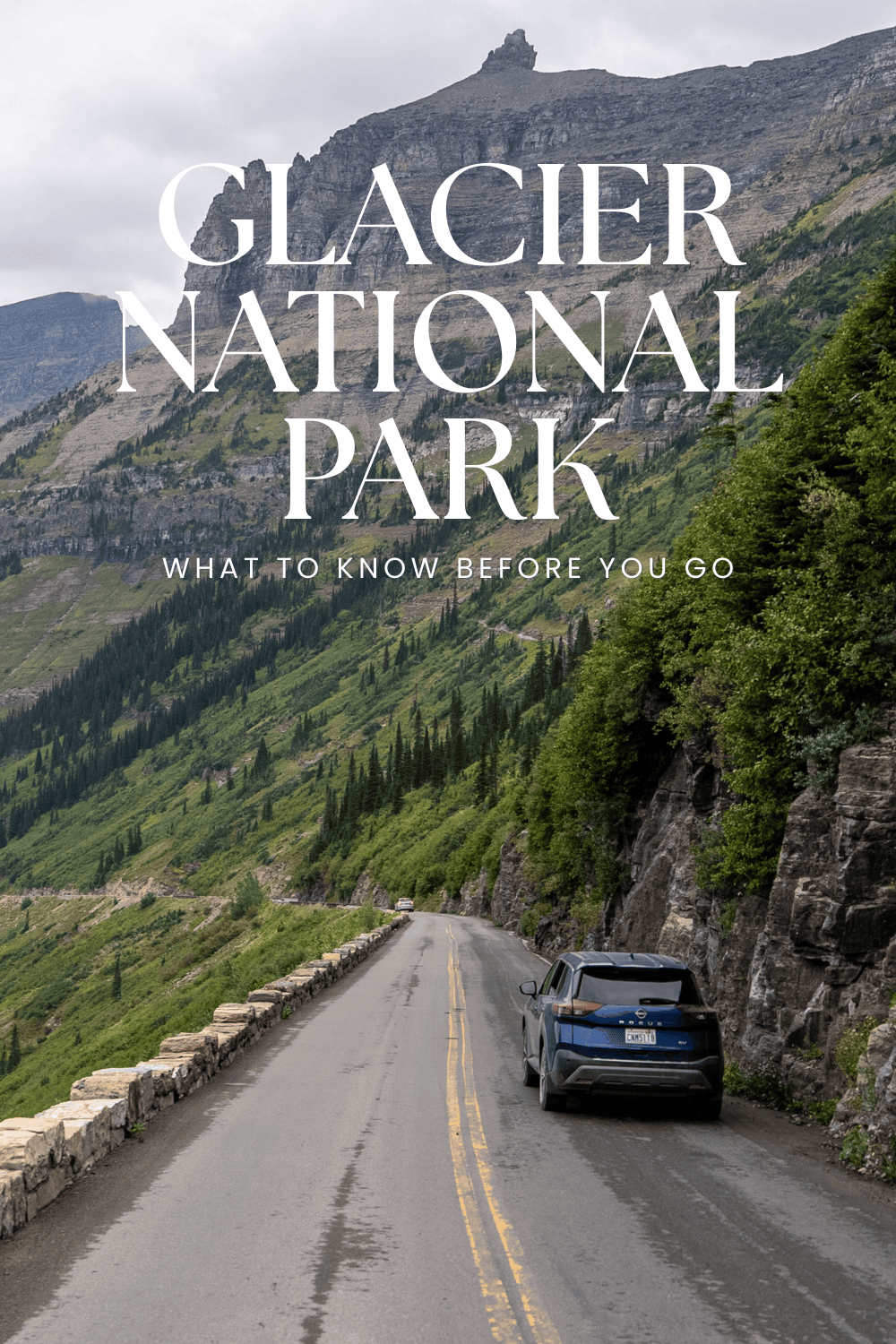
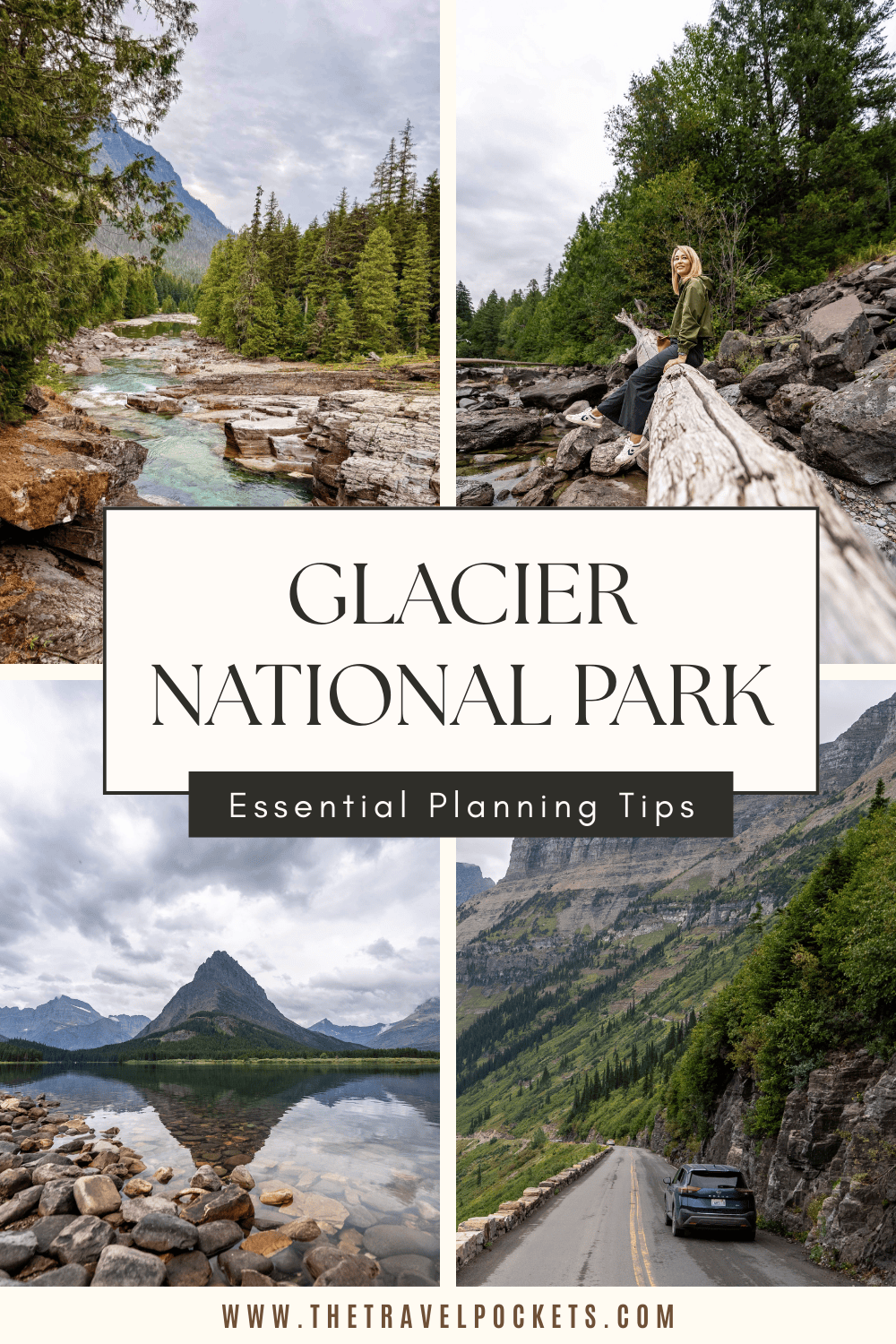
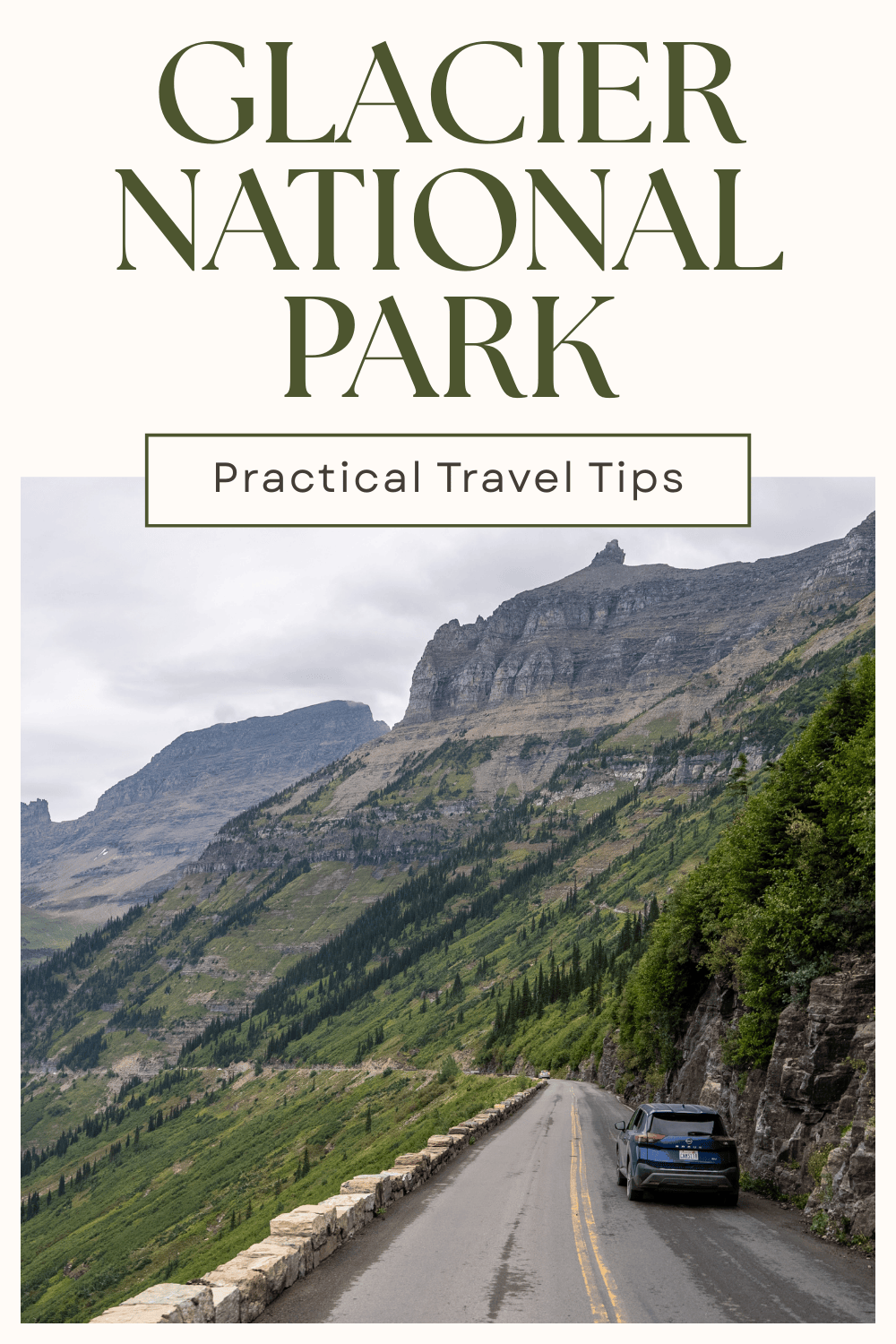


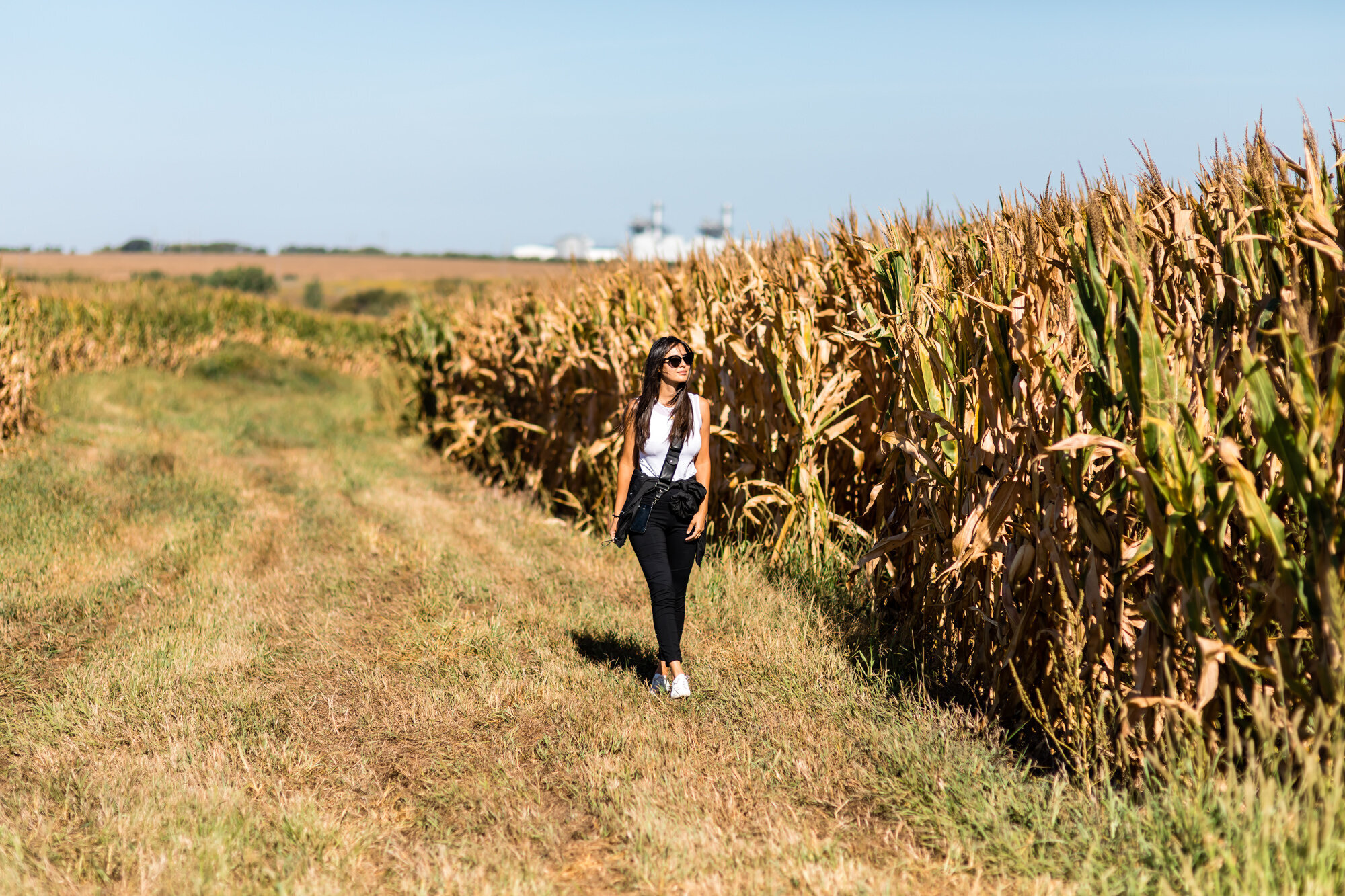


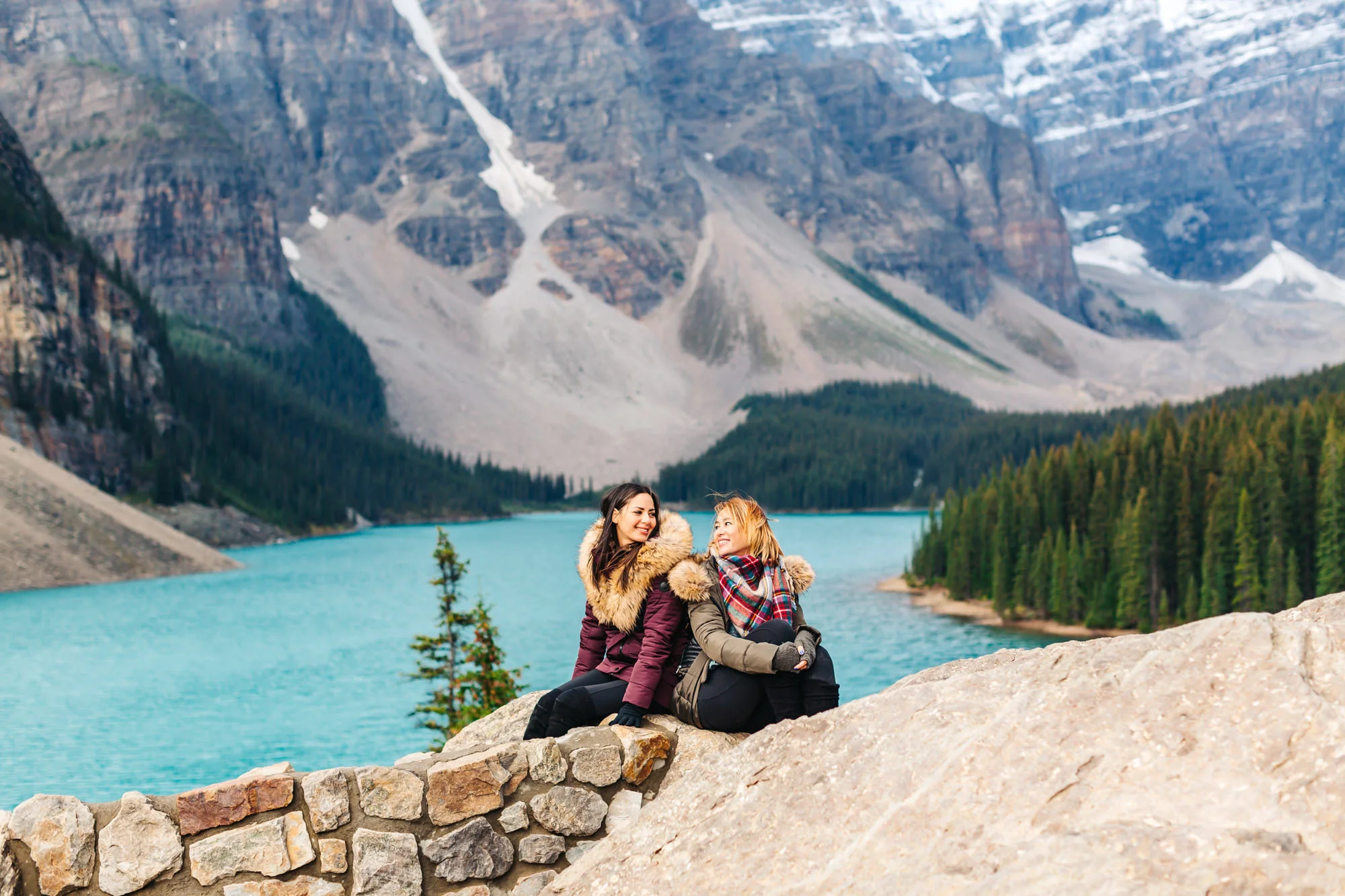
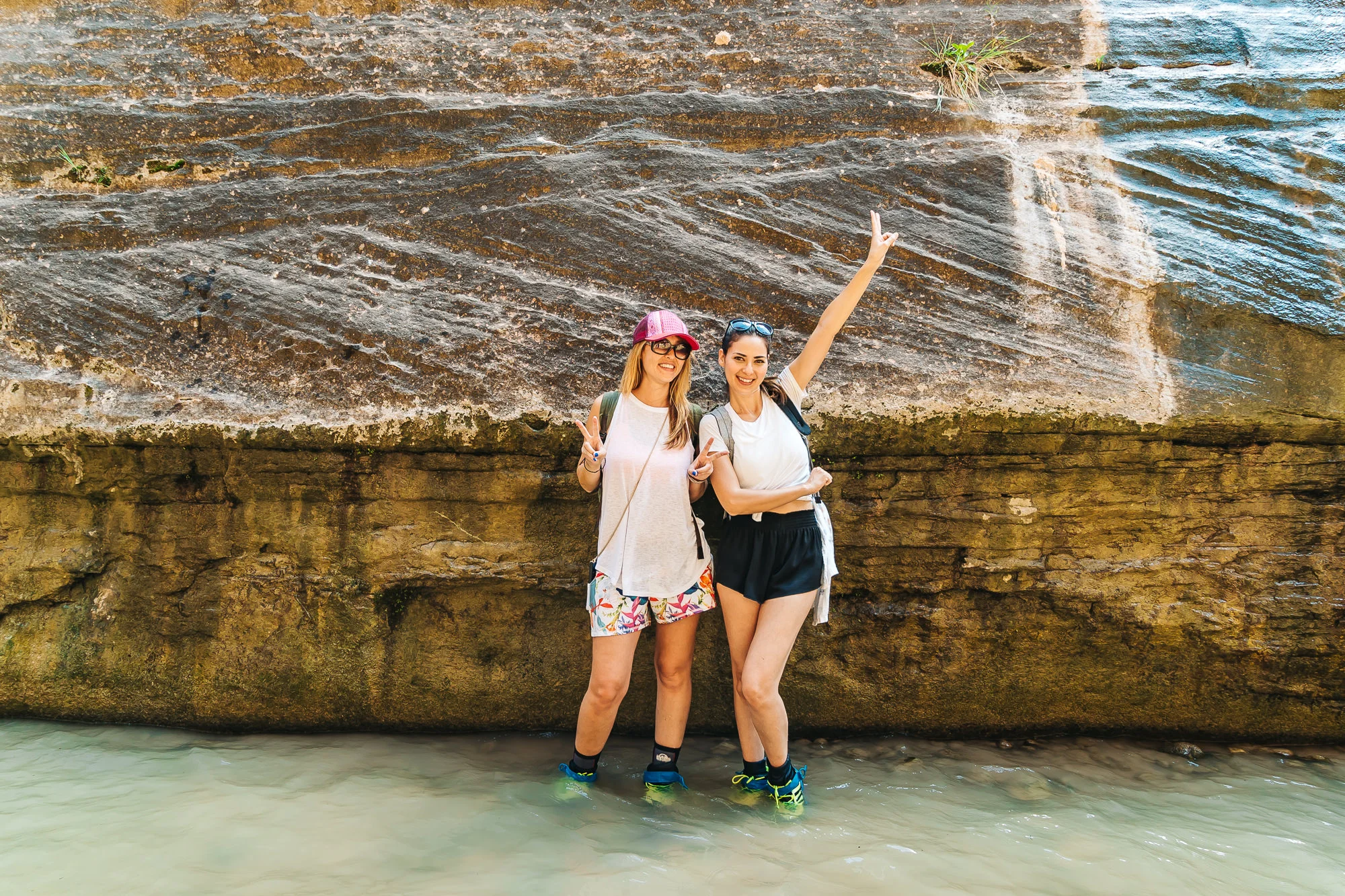


















We spent two full days in Glacier National Park during peak season. From foggy mornings and wildlife encounters to scenic drives and unexpected detours, here’s what our experience was really like.