
5 Japan Travel Changes You Need to Know Before Your Trip
/This post contains affiliate links, which means that at no additional cost to you if you click on one of the product links, we may earn a commission.
Information in this guide was last updated August 31, 2026. Travel rules, prices and procedures can change, so we recommend confirming current details with the relevant official source before your trip.
We travel to Japan yearly and are always keeping an eye on updates that could actually affect a trip. We aren't talking about small policy changes most tourists will never notice. These are changes that could affect how much you pay, how you ride the bullet train (Shinkansen), how tax-free shopping works, what you can bring on the plane, and even how much your hotel in Kyoto costs.
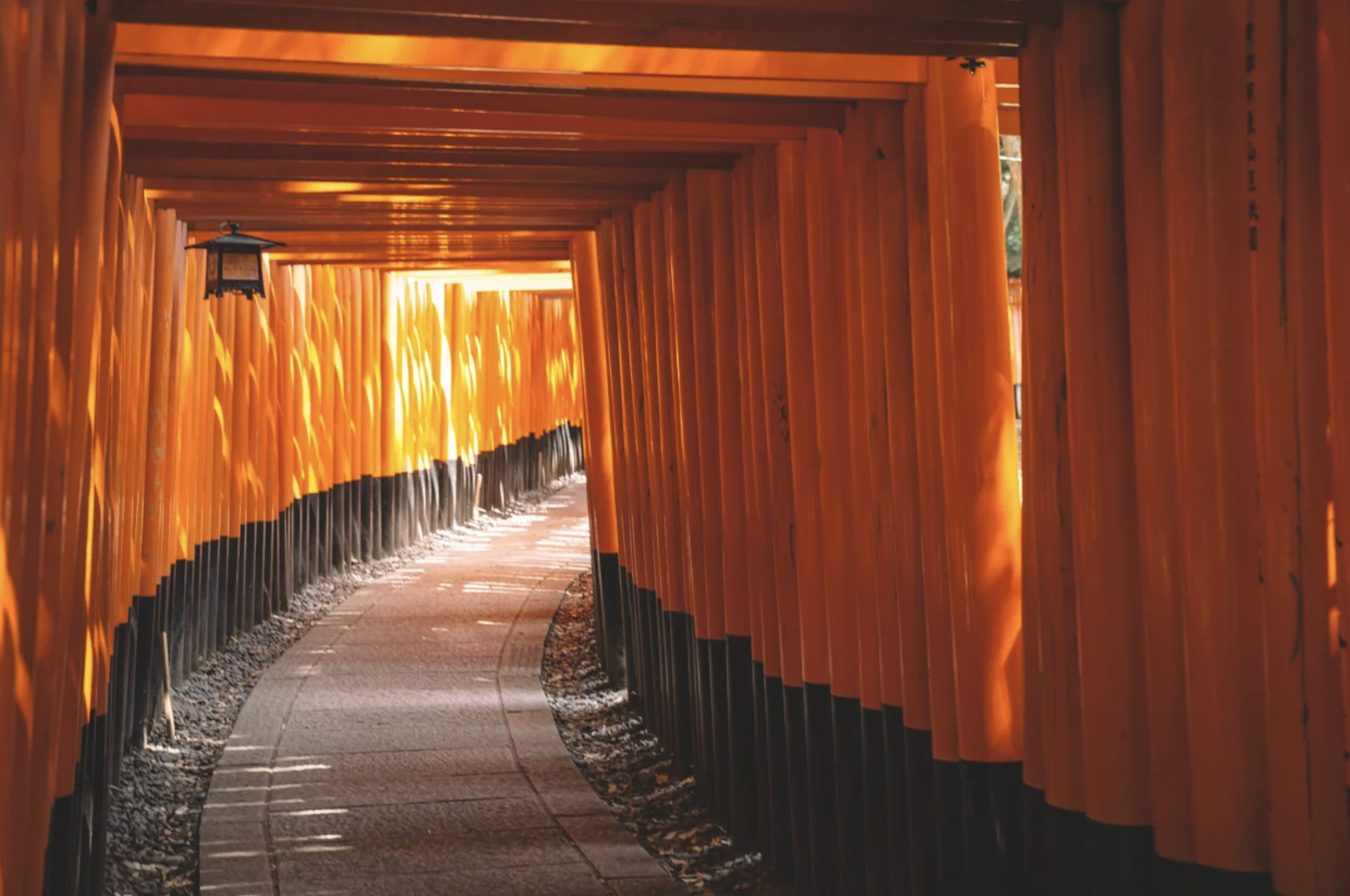
Kyoto Fushimi Inari
Several important Japan travel changes took effect in 2026, with a few more rolling out later in the year. If you're planning a trip to Japan, these are five of the most important updates to know before you go.
1. Japan Rail Pass Prices Are Changing on October 1, 2026
The Japan Rail Pass is getting another price adjustment starting October 1, 2026, but there is an important detail travelers should know.
If you purchase an Exchange Order through an overseas JR-designated travel agency on or after October 1, the adult Ordinary Pass prices increase to:
7-day pass: ¥50,000 → ¥53,000
14-day pass: ¥80,000 → ¥84,000
21-day pass: ¥100,000 → ¥105,000
Green Car passes are also increasing.
However, as of August 31, 2026, the official JAPAN RAIL PASS website is still listing the current prices of ¥50,000, ¥80,000 and ¥100,000 when purchasing directly online. The price increase currently shown on the official site specifically applies to purchases made through overseas JR-designated agencies.
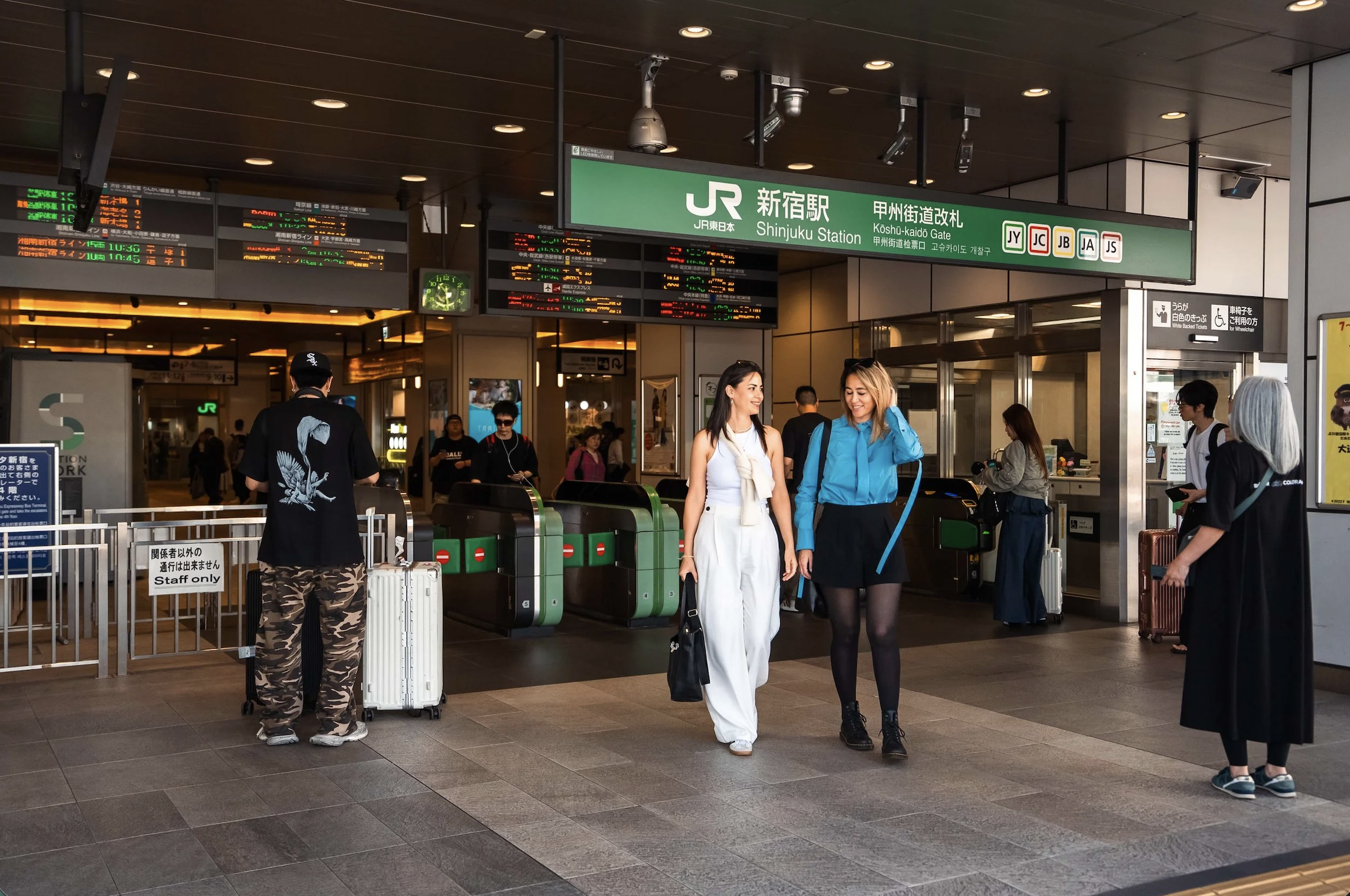
Shinjuku Staiton
So if you're planning to buy a Japan Rail Pass, definitely compare your purchasing options before automatically buying through a travel agency.
It's also worth doing the math before buying a Rail Pass at all. At these prices, the nationwide pass does not automatically save money for every itinerary.
For example, if you're only traveling between Tokyo, Kyoto and Osaka, individual Shinkansen tickets may make more sense. The Rail Pass tends to become more useful when you're covering longer distances or making several expensive train trips within a short period.
What this means for travelers: Don't automatically assume you need a Japan Rail Pass. Price out your actual train itinerary first, and if you do want the pass, compare the official online price with overseas agency pricing before purchasing.
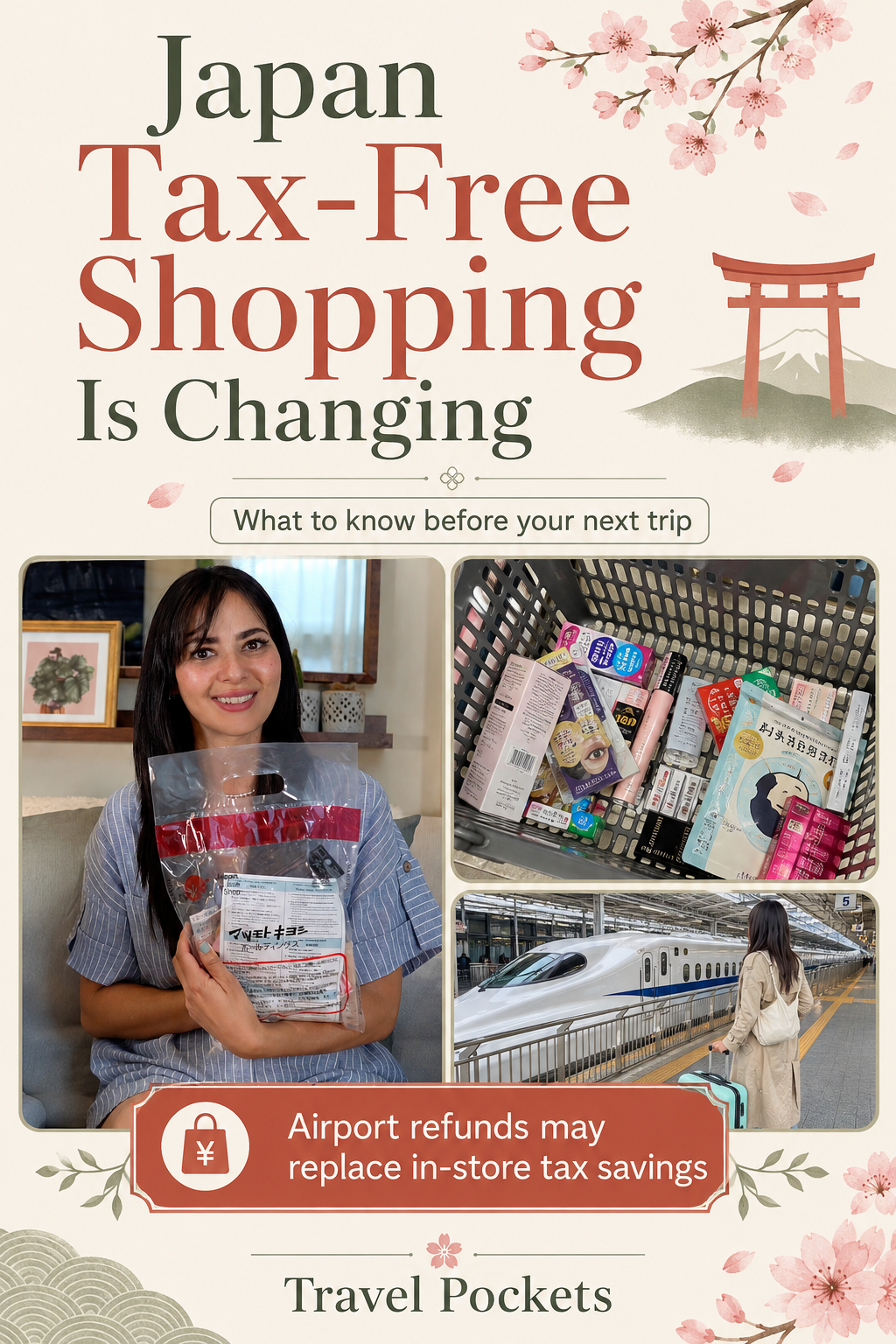
2. Tax-Free Shopping Is Completely Changing in November
This is probably the change that surprised us the most because we've been using Japan's tax-free shopping system for years.
Until October 31, 2026, the process works the way many repeat Japan travelers are used to. We show our passports when making an eligible purchase at a tax-free store, and the consumption tax is removed at the time of purchase.
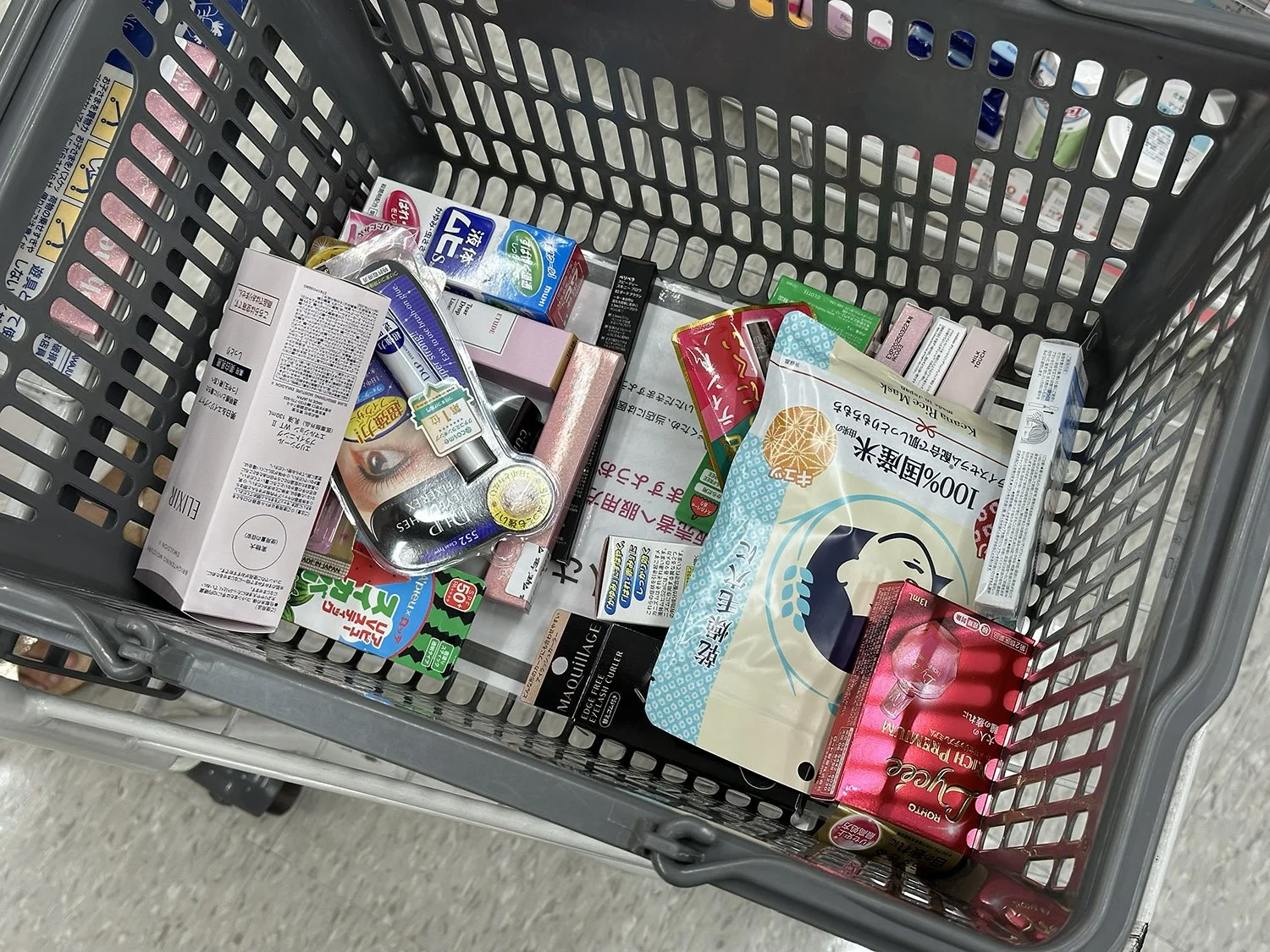
Shopping cart filled with cosmetics from Matsumoto Kiyoshi
Starting November 1, 2026, that changes.
Instead of receiving the tax exemption immediately, travelers will pay the full tax-inclusive price at the store. You'll still show your passport at a participating tax-free shop, but instead of having the tax removed at checkout, you'll register the refund method offered by that retailer or its refund provider.
Then, when you're leaving Japan, you'll need to complete the tax-free departure procedure at your final airport or seaport before leaving the country.
Before checking any luggage containing your tax-free purchases, you'll scan your passport at a tax-free procedure terminal in the international departure area. At several major airports, including Narita, Haneda, Kansai, Chubu, New Chitose, Fukuoka and Naha, travelers may also be able to begin the process through Visit Japan Web in designated areas.
The system will determine whether customs needs to physically inspect your purchases.
Once customs confirms that you're taking the eligible items out of Japan, the tax-free store or its refund provider can process your refund. Depending on the retailer, the refund method may vary, so it's a good idea to ask how the refund will be issued when you make your purchase.

special sealed packaging that will be eliminated
You'll Need to Keep Your Purchases Accessible
This is probably the biggest practical difference for us.
You need to complete the tax-free customs procedure before checking luggage containing those purchases, because Customs may ask to see the items.
Basically, the process will look like this:
Arrive at the international departure lobby.
Go to a tax-free procedure terminal or kiosk before airline baggage check-in.
Scan your passport.
If you get a green result, you're finished with the tax-free procedure.
If you get a red result, take the relevant purchases to the designated Customs inspection area.
Once that's complete, go to your airline counter and check your luggage.
That's a big change from how we've traveled in the past. Starting in November, we're going to have to make sure our tax-free purchases are still easy to access until we've completed the customs procedure, just in case we get a red result.
There's also another major change for anyone who loves buying Japanese snacks, cosmetics and other consumable items.
The old special sealed plastic bag requirement is going away, which we're definitely happy about. Those sealed bags were actually somewhat of a pain to pack, especially when we had several of them.
But this is where things can get a little complicated: Customs verifies tax-free purchases by transaction. If an item from a tax-free transaction is missing because you used it, ate it or otherwise don't have it with you when required for inspection, the other items from that same transaction may also lose their eligibility for the refund.
Travel Pockets Tip: If you're buying snacks, cosmetics or other things you think you might want to use while you're still in Japan, consider purchasing those separately from the items you plan to claim tax-free. It could make it much easier to keep track of everything.
What this means for travelers: You won't receive the tax savings immediately at the store anymore. You'll pay the full price when you shop, keep your tax-free purchases accessible, complete the customs procedure before checking luggage containing those items, and then the retailer or its refund provider will process your refund.
3. Nozomi Shinkansen Trains Have More All-Reserved Travel Periods
If you're traveling the popular Tokyo, Kyoto and Osaka route, this is an important one.
The Nozomi is the fastest Shinkansen service on the Tokaido Shinkansen route and is one of the most convenient ways to travel between Tokyo, Kyoto and Osaka.
Normally, Nozomi trains have both reserved and non-reserved seating.
During certain busy travel periods, however, JR converts the entire Nozomi train to reserved seating only.
This isn't completely new, but the number of affected travel periods has expanded considerably in 2026.
In 2025, the all-reserved system was used during three major peak periods: Golden Week, Obon and the year-end/New Year holidays.
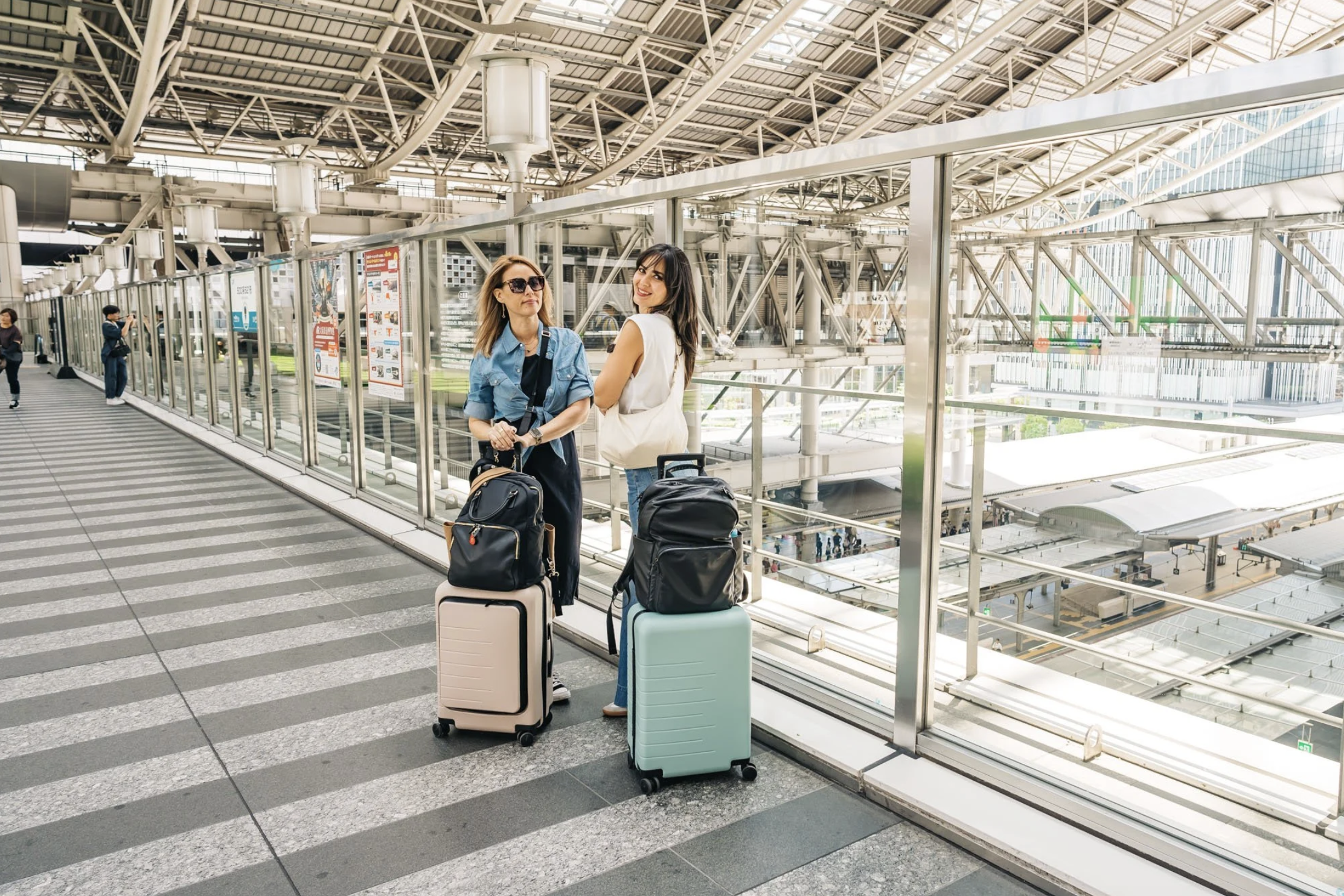
Shin Osaka Station
JR Central's current 2026 schedule includes:
Golden Week: April 24 to May 6, 2026
Obon: August 7 to August 16, 2026
Silver Week: September 18 to September 23, 2026
Sports Day weekend: October 10 to October 12, 2026
Labor Thanksgiving Day weekend: November 21 to November 23, 2026
Year-end/New Year: December 25, 2026 to January 5, 2027
Coming of Age Day weekend: January 9 to January 11, 2027
Vernal Equinox weekend: March 20 to March 22, 2027
During these dates, regular non-reserved seats are not available on Nozomi trains between Tokyo and Hakata.
If you have a non-reserved ticket, JR does allow passengers to board a Nozomi and stand in designated areas under certain conditions, but that's probably not how most of us want to spend a long Shinkansen ride.
Hikari, Kodama and other Shinkansen services continue to offer non-reserved seating during these periods, although those trains may also be more crowded.
What this means for travelers: If your trip falls during one of these busy periods, reserve your Shinkansen seat ahead of time instead of planning to show up at the station and grab a non-reserved seat.
4. Kyoto's Hotel Tax Got More Expensive
If Kyoto is part of your Japan itinerary, your hotel stay may cost a little more than expected.
Kyoto has had an accommodation tax since 2018, but the city significantly changed the rates on March 1, 2026.
The tax is charged per person, per night and is based on the cost of your accommodation.
The new rates are:
Under ¥6,000 per person/night: ¥200
¥6,000 to ¥19,999: ¥400
¥20,000 to ¥49,999: ¥1,000
¥50,000 to ¥99,999: ¥4,000
¥100,000 or more: ¥10,000
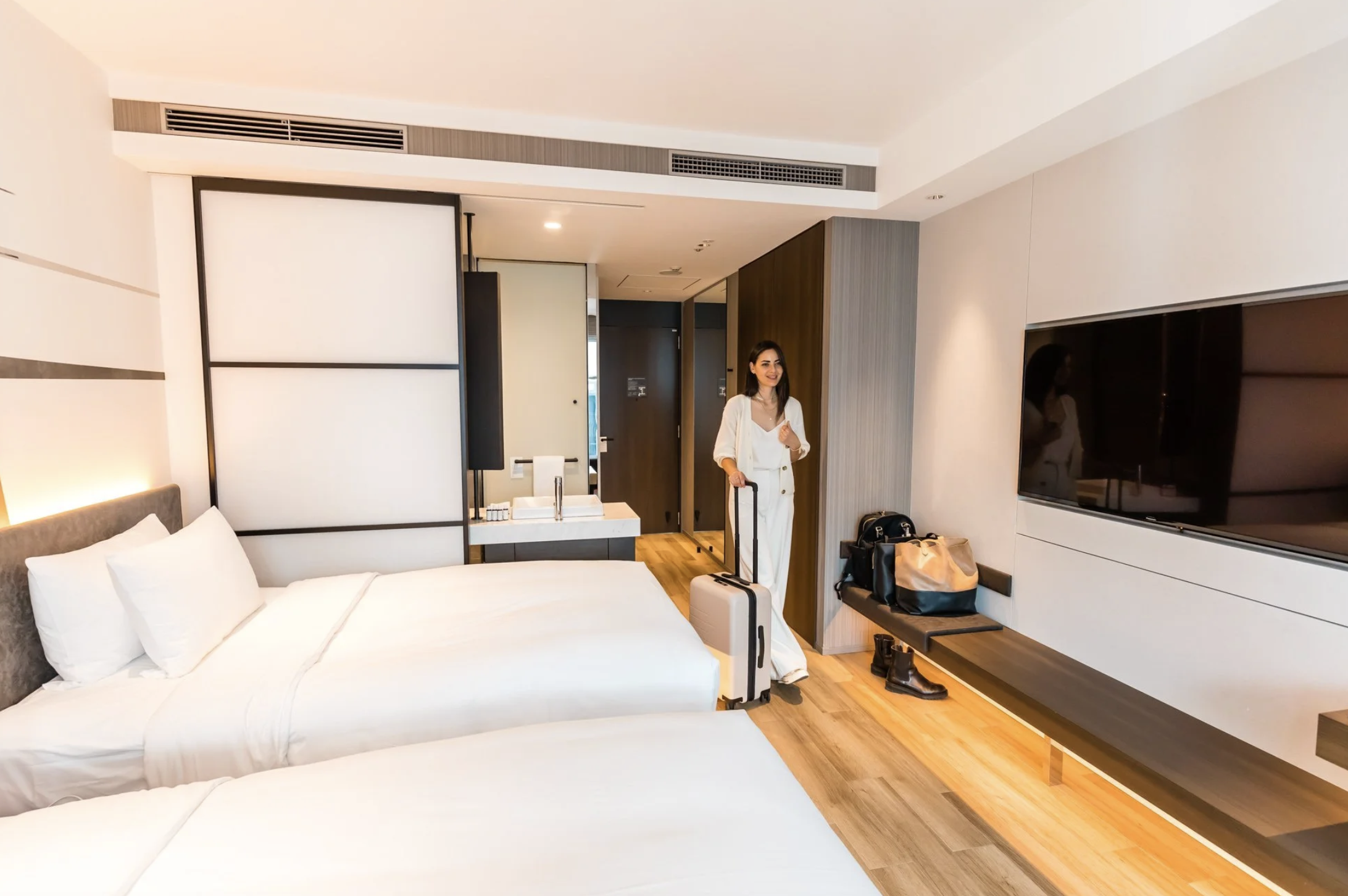
spacious hotel in japan
The higher-end categories saw the biggest increases.
Previously, a stay costing ¥50,000 or more per person per night was taxed at ¥1,000. Under the new system, a stay between ¥50,000 and ¥99,999 is taxed at ¥4,000, while stays of ¥100,000 or more are taxed at ¥10,000 per person per night.
And here's something to be aware of if you booked your Kyoto hotel well in advance: the tax is based on the date of the actual stay, not when you made the reservation.
Kyoto City says that even if you booked before the new rates were finalized, stays beginning March 1, 2026 or later are subject to the new rates. If you prepaid the old tax amount, the hotel may collect the difference.
What this means for travelers: Factor the accommodation tax into your Kyoto hotel budget, particularly if you're booking a luxury hotel or traveling with multiple people.
5. Japan Introduced New Power Bank Rules for Air Travel
If you travel with portable chargers like we do, this is one to check before your flight.
Japan introduced stricter rules for mobile batteries and power banks beginning April 24, 2026 after international aviation safety standards were updated in response to lithium battery fire risks.
Under Japan's new rules:
You can carry a maximum of two power banks
Each must be 160Wh or less
Power banks cannot go in checked luggage
You cannot charge a power bank onboard the aircraft
You cannot use the power bank to charge another electronic device while onboard
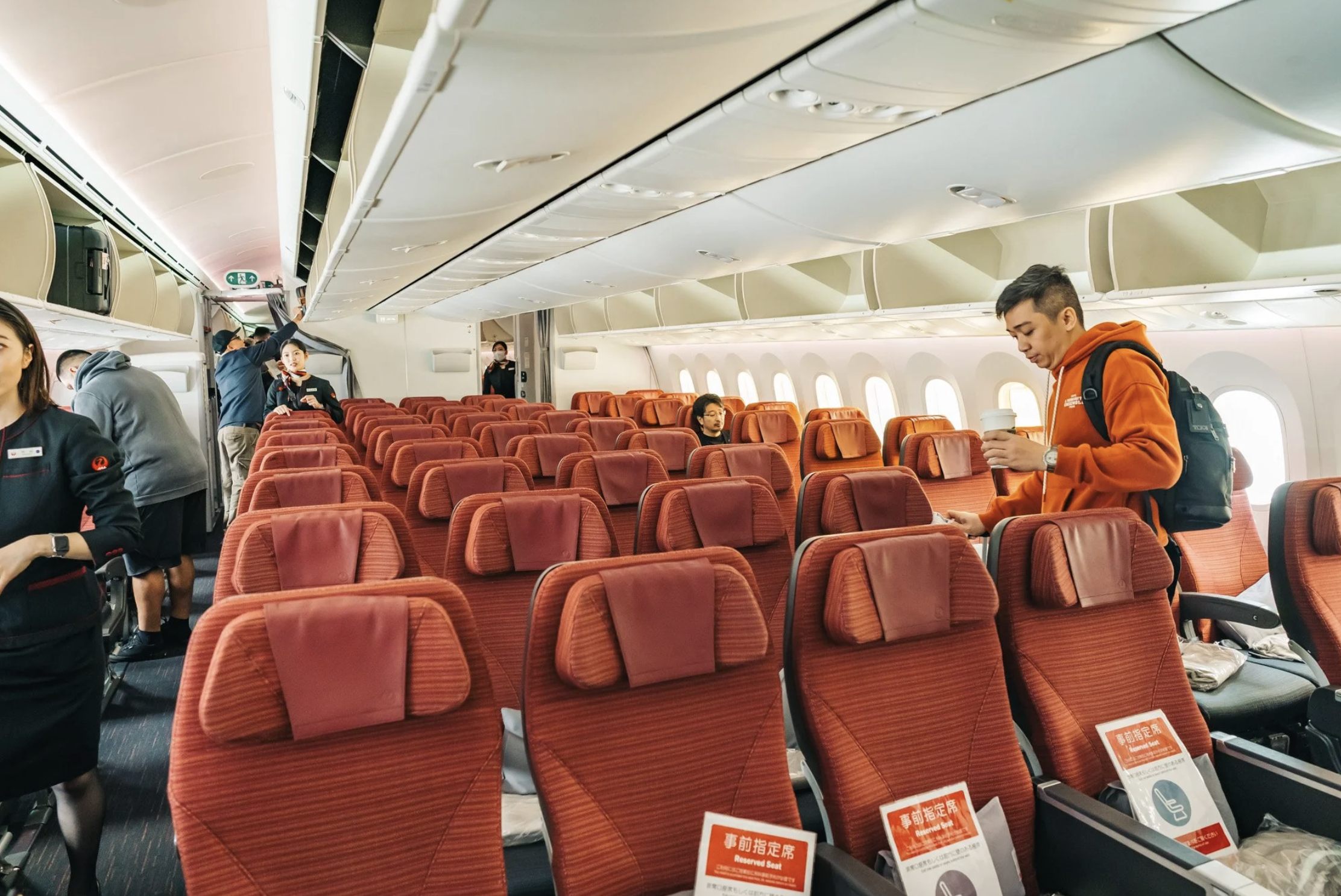
JAL Economy Seating
These restrictions were introduced following an emergency revision to international standards from the International Civil Aviation Organization, so this isn't something happening only in Japan. Individual airlines may also have their own rules that are equal to or stricter than Japan's requirements.
Because airline policies can vary, we recommend checking your specific airline's power bank policy before heading to the airport.
What this means for travelers: Check the Wh rating on your portable charger, don't pack it in checked baggage, bring no more than two when traveling under these rules, and make sure your devices are charged before boarding.
What These Japan Travel Changes Mean for Us
I think the change that will affect us the most is the new tax-free shopping process. Honestly, having to complete the tax-free customs procedure at the airport before we can check our luggage sounds like a bit of a pain. We like to have everything packed and taken care of before we head to the airport, so adding another step before airline check-in is definitely going to take some getting used to.
I also never liked those sealed plastic bags for tax-free purchases, so I’m happy to see that requirement go away. They were always a little awkward to pack, especially when we ended up with several of them.
But now I’m wondering how we’re going to keep track of all of our tax-free purchases among everything else packed in our suitcases, especially since Customs may ask to see the items from a particular transaction. We’ll probably have to be much more organized about how we pack our shopping and keep certain purchases easy to access.
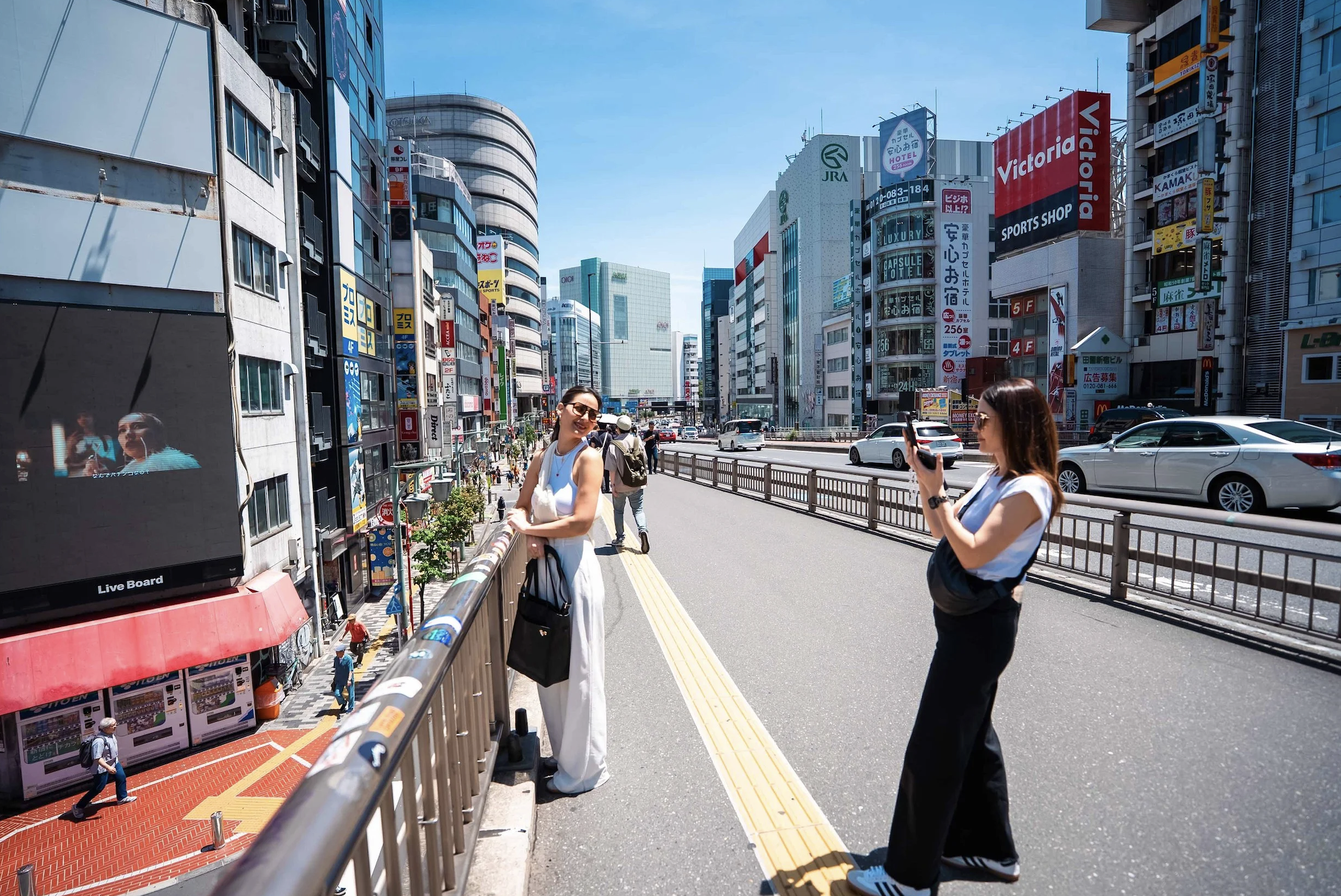
Exploring Tokyo
I guess we’ll find out on our next trip to Japan how smoothly the new system actually works in practice. We’ll definitely update this post once we’ve gone through the process ourselves.
The expanded Nozomi reservation periods are also worth paying attention to, especially if your itinerary includes Tokyo, Kyoto and Osaka during a Japanese holiday weekend.
Our biggest advice is to double-check the details that used to feel automatic. Don't assume the Rail Pass is still the best value, set time asside at the airport to process your tax-free purchases, and don't wait until you're standing on the Shinkansen platform to find out that every seat requires a reservation.
Japan is still one of our favorite countries to visit, and knowing about these changes before you arrive can make your trip a lot smoother.